Erasmus+
The European Commission's integrated program for education, training, youth, and sport for the 2021–2027 period.
Also known as: Erasmus Programme
Overview
Erasmus+ is the European Commission's integrated program designed to promote education, training, youth, and sport for the 2021–2027 period, succeeding the previous Erasmus Programme (2014–2020). Named after the Dutch humanist scholar Erasmus, the program provides opportunities for the mobility of learners and staff, as well as cooperation across education, training, and youth sectors. It aims to offer simplified funding rules and streamlined administration compared to its predecessors.
Participation
The program is fully open to European Union member states as well as associated third countries, which include North Macedonia, Serbia, Iceland, Liechtenstein, Norway, and Turkey.
UK Participation
Following the UK's departure from the scheme under the Brexit deal in 2020 and its initial decision not to participate in the 2021–2027 program, an EU-UK summit on May 19, 2025, led to an agreement to work toward the UK's association with Erasmus+. In December 2025, the UK government announced plans to rejoin the scheme, with confirmation that it would officially rejoin from the start of January.
Related translated reports
Labour Accused of Betraying Youth Wage Pledge as Budget Focuses on ‘Everyday Fixes’
Chancellor John Healey is set to pause the equalization of minimum wages for under-21s, drawing sharp criticism from opposition parties who accuse Labour of breaking a manifesto promise. Meanwhile, the government announced several cost-of-living measures, including tariff cuts and mileage allowance reforms, ahead of Wednesday’s Budget.
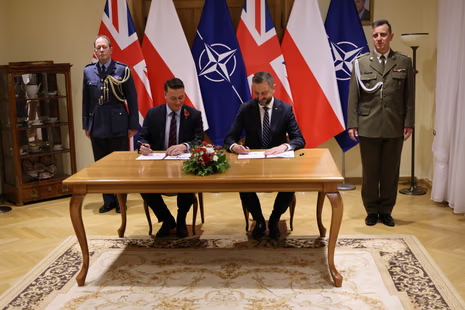
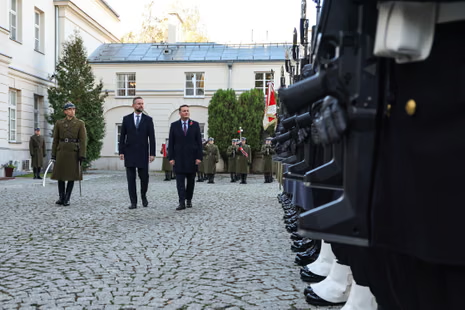
Ahead of Chancellor John Healey’s Budget announcement on Wednesday, Business Secretary Jonathan Reynolds declined to deny reports that the government intends to halt the process of aligning the National Minimum Wage for workers aged 18–20 with the higher National Living Wage paid to those over 21. This decision has triggered accusations from across the political spectrum that Labour is reneging on a key election pledge. According to The Times, while the National Living Wage will rise by approximately 3.9% from £12.71 to around £13.20 an hour, the increase for younger workers will mirror this percentage rather than closing the gap entirely. Consequently, the rate for 18-to-20-year-olds is expected to climb from £10.85 to roughly £11.27. In his 2024 manifesto, Labour had promised to raise the youth rate to match the adult standard to ensure "all adults are entitled to the same minimum wage." However, concerns over youth unemployment have reportedly prompted a delay in full equalization, a stance consistent with comments made earlier this year by Pensions Minister Torsten Bell. Reynolds defended the approach during a BBC interview, stating that while the manifesto commitment remains valid, it was always intended to be implemented gradually, taking into account labor market pressures. "Of course, you want not just good wages, but good work," he said. "It is a balance of making sure the pressures on the labour market are taken into account." The Green Party was among the fiercest critics. Mothin Ali, co-deputy leader, argued that young people face the same living costs as older adults and should receive equal pay for equal work. "Healey and Burnham are now breaking a manifesto pledge to young people that even Starmer managed to keep," Ali stated, adding that Labour appeared to view youth merely as sources of cheap labor for corporate donors. The Greens reiterated their proposal for a uniform £15 minimum wage regardless of age. Prime Minister Andy Burnham framed the pre-Budget announcements as "everyday fixes" designed to provide households with breathing space. Among the five measures confirmed were: * **Tariff Removal:** Import duties on over 100 items, including baked beans, gherkins, chocolate wafers, citrus jams, throat lozenges, plant-based drinks, kerosene, and fertilizers, will be scrapped. Combined with summer suspensions, this is projected to save households up to £21 annually, though total savings to the economy are estimated at £245m–£595m against a £300bn food expenditure baseline. * **Mileage Allowances:** The tax-free mileage rate of 55p per mile for the first 10,000 business miles will become permanent, with the rate above that threshold rising from 25p to 35p. The Treasury estimates three million workers will benefit, saving drivers between £120 and £300 a year. * **Carer’s Allowance Reform:** The "cliff-edge" rule, which stripped carers of their entire allowance if earnings exceeded the limit by a single penny, will be replaced with a taper system starting in 2030. * **Paternity Pay:** Self-employed fathers will gain access to two weeks of statutory paternity pay, valued at up to £194 per week. * **Post Office Infrastructure:** Hundreds of new drop boxes will be installed, bringing the total to 1,000, alongside upgrades to 600 branches. Reaction to these measures was mixed. Shadow Chancellor Andrew Griffith mocked the focus on minor adjustments, stating, "Shoppers face rising costs at the till... but Burnham’s plan is cheaper gherkins. This is an insult to families hammered by Labour’s tax rises." Conversely, unions like Unison welcomed the mileage changes but cautioned that such steps would not offset soaring essentials costs without broader wealth redistribution. In other developments, the UK government confirmed it will rejoin the Erasmus+ student exchange scheme in January, reversing a post-Brexit exclusion. Foreign Office minister Hamish Falconer noted that applications would open next month, benefiting disadvantaged students particularly. This move fulfills part of Keir Starmer’s 2025 reset deal with Brussels, replacing the Turing Scheme. Defense Secretary Wes Streeting signed the "Warsaw Defence Plan" with Polish counterpart Władysław Kosiniak-Kamysz, committing both nations to collaborate on next-generation air defense missiles, drones, and naval vessel designs. Streeting warned that Vladimir Putin was "testing Nato’s resolve" and emphasized readiness for potential conflict scenarios, while also highlighting shared history and support for Ukraine. Political friction extended to Reform UK, where leader Nigel Farage dismissed an Independent report claiming 80% of his party’s recent donations came from overseas-linked entities. Farage labeled the findings "completely wrong," arguing that international businessmen still vote and live in the UK. He also addressed an ITV undercover exposé regarding lax vetting, refusing to ban candidates for liking posts by far-right activist Tommy Robinson, citing a rejection of "cancel culture." Finally, SNP Economy Spokesperson Kirsty Blackman criticized the Budget submissions, urging Healey to remove VAT on petrol and diesel to alleviate cost-of-living pressures. She accused Burnham of breaking promises to cut bills, noting that household expenses have risen significantly under Labour’s watch.