Bundibugyo virus
A species of orthoebolavirus that causes Ebola virus disease, notably responsible for the 2026 epidemic in the Democratic Republic of the Congo.
Also known as: BDBV · Bundibugyo ebolavirus
Bundibugyo virus (abbreviated BDBV) is a member of the genus Ebolavirus (taxonomically renamed Orthoebolavirus in 2023) within the family Filoviridae. It is one of six known virus species capable of causing Ebola virus disease (EVD) in humans, a severe viral hemorrhagic fever. The virus is closely related to Zaire ebolavirus but genetically distinct enough that existing vaccines and treatments approved for Zaire ebolavirus are not fully effective against it.
Virology and Taxonomy
The species Bundibugyo ebolavirus contains only one member virus, Bundibugyo virus. Its genome consists of single-stranded negative-sense RNA. The virus forms filamentous virions and is classified as a World Health Organization Risk Group 4 Pathogen, requiring Biosafety Level 4 containment. In the United States, it is designated a Category A bioterrorism agent by the CDC and an NIH/NIAID Category A Priority Pathogen. Internationally, it is listed as a biological agent for export control by the Australia Group.
The name derives from Bundibugyo District in western Uganda, where the virus was first identified in 2007 during an outbreak that infected 149 people and killed 37.
Clinical Presentation and Transmission
Infection with Bundibugyo virus causes symptoms typical of EVD, including sudden onset of fever, weakness, muscle pain, headache, and sore throat, followed by vomiting, diarrhea, rash, and impaired kidney and liver function. Some patients experience both internal and external bleeding. The incubation period ranges from two days to three weeks. Mortality rates vary by outbreak but generally fall between 25% and 90%, with historical averages around 50%. Death typically results from shock due to fluid loss, occurring 6 to 16 days after symptom onset.
Transmission occurs through direct contact with body fluids (blood, vomit, feces, sweat, semen) of infected living persons or dead bodies. Secondary spread often happens in healthcare settings or during funeral preparations. Natural reservoirs are believed to be fruit bats, though intermediate hosts such as primates and antelopes have been implicated in spillover events.
Outbreak History
- 2007 Uganda Outbreak: The first recorded emergence of BDBV occurred in Bundibugyo District, Uganda. Sequencing confirmed it as a new species distinct from Zaire and Sudan ebolaviruses.
- 2012 Uganda Outbreak: A smaller resurgence occurred in eastern Uganda, affecting limited communities.
- 2026 Epidemic: The most significant outbreak to date began in early 2026 in the Ituri Province of the Democratic Republic of the Congo (DRC). By August 2026, it was declared the fastest-growing Ebola outbreak on record. As of October 2026, the DRC reported nearly 5,000 deaths and over 10,000 cases, with sporadic transmissions reaching Kenya, Uganda, Nigeria, and France. The Africa Centres for Disease Control and Prevention described the geographic extension as "unprecedented," marking the first time three African regions were simultaneously affected by Ebola.
Treatment and Prevention Challenges
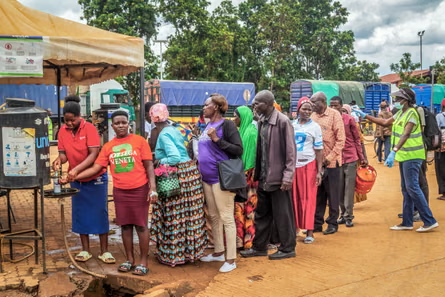
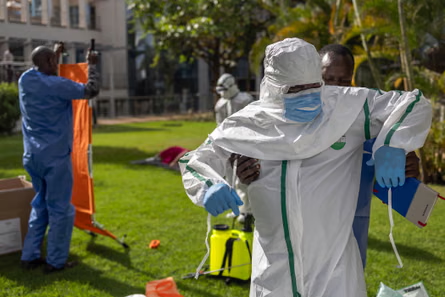
Unlike Zaire ebolavirus, for which the Ervebo vaccine and monoclonal antibody therapies (such as Inmazeb and Ebanga) are approved, there is currently no licensed specific treatment or vaccine for Bundibugyo virus. While studies in non-human primates suggest partial cross-protection from Zaire-targeted vaccines, the WHO has advised against their use in the 2026 outbreak due to insufficient evidence of efficacy. Response strategies rely heavily on public health measures: supportive care, isolation, contact tracing, safe burial practices, and infection prevention controls.
Vaccine trials for BDBV-specific candidates are underway. Organizations such as CEPI have fast-tracked development, and the first volunteers entered clinical trials in mid-2026. Results from these trials are expected within three to six months of initiation, according to health officials. Diagnostic capabilities remain limited; antigen rapid diagnostic tests do not meet WHO specifications for this strain, necessitating reliance on RT-PCR molecular testing.
Related translated reports
‘No country is safe’: Ebola deaths near 5,000 as Africa CDC chief warns outbreak may reach Britain
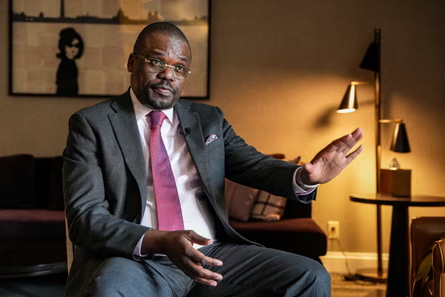
Dr Jean Kaseya, director general of the Africa Centres for Disease Control and Prevention, says the unmatched geographic spread of the Ebola outbreak could carry it to the UK and other countries, urging governments worldwide to step up preparedness and treatment options as fatalities approach 5,000. Invoking Covid as a cautionary tale, he disclosed that vaccine trial results are three to six months away and pressed donors to release more than $2bn of the $3bn pledged, warning that delay could ultimately cost trillions.
An Ebola outbreak spreading across Africa on a scale never previously recorded could still arrive in Britain and other countries far beyond the continent, the head of the Africa Centres for Disease Control and Prevention has warned. "We want all countries to know that they are not safe if they don't take appropriate measures," said Dr Jean Kaseya, the agency's director general. His warning came as the epidemic's toll passed 10,000 cases, with close to 5,000 people now dead, and as he urged every government to raise its guard. "Each country, not only in the African region, but all continents, must now increase the preparedness level and the possibility for treatment," he said. What sets this crisis apart, Kaseya explained, is its reach. "It is the first time three African regions have been affected [by Ebola]. The geographic extension of this outbreak is unprecedented." The outbreak's path helps explain the concern. Sequencing indicates infections were circulating as early as February, although DR Congo's health ministry did not declare an outbreak until 15 May, doing so for Ituri province. The virus has since surfaced in Uganda and Kenya in east Africa, and last week Nigeria, in west Africa, recorded a case in its capital, Abuja, involving a woman who had arrived from Uganda and tested positive. France — so far the only country outside Africa to confirm an infection — reported one in June in a doctor back from DR Congo. It was against that backdrop that Kaseya reached for the example of Covid, which first took hold in China before circling the globe, killing millions of people and battering health systems and economies. The heaviest burden currently falls on Africa, he acknowledged, but that need not last. "We shouldn't forget that at the beginning of Covid, many countries said there was zero risk of being affected, but a few months later, they became the hotspot," he said. "We don't want to see the UK and other countries become the hotspot." The epidemic is the 17th documented in the Democratic Republic of the Congo since Ebola was first identified, and the Bundibugyo virus driving it has produced the largest and deadliest outbreak in the country's history. Ebola is highly contagious, severe and frequently fatal, moving between people through direct contact with bodily fluids — the blood or vomit of infected individuals, or the bodies of the dead, for instance during funeral preparations. No approved treatment exists for the Bundibugyo strain, though vaccine trials are under way; Kaseya said the results should be available in three to six months. Of the 10,091 cases recorded in total, 10,060 have occurred in DR Congo, where 4,887 people have died. Uganda and Kenya have each reported two fatalities. Attempts to contain the crisis have been held back by shortages of protective equipment and health workers whose wages have gone unpaid — grievances that have fuelled strikes. Conflict inside DR Congo, mistrust of officials in affected areas, misinformation and cuts to global aid have deepened the difficulties. On Wednesday, Kaseya is to bring African health ministers together to push for stronger cooperation across borders, and he wants governments to introduce screening and testing for people arriving from affected regions at points of entry and exit. "The main message to ministers is that they have to understand they could be affected, and we don't want them to be surprised by what could happen," he said. When he meets African heads of state in November, he plans to press for a "corridor of peace" in conflict zones. "Currently, we have colleagues in Ituri who want to go and support the population, but they cannot because of insecurity," he said. "I have to say to leaders, this outbreak is not for rebels, it's not for the official army, it's for everyone. Ebola can affect everyone … We need to come together to have a kind of agreement on how to protect each other." Funding is the other pressing demand. Governments have pledged $3bn (£2.3bn), Kaseya said, but more than $2bn of that is still outstanding, with African countries having committed $120m and the remainder expected from international donors including the US, the UK and the EU. "We need this money now," he said. "We must understand that failure to provide funding now to African countries [will result in more being spent] because the outbreak will continue to move. If we have other countries affected we'll be talking about trillions of dollars because it will require a lot of support to stop this outbreak."