Diane Watson
Glasgow schoolgirl killed in a 1991 playground stabbing whose family later campaigned against press abuse.
Overview
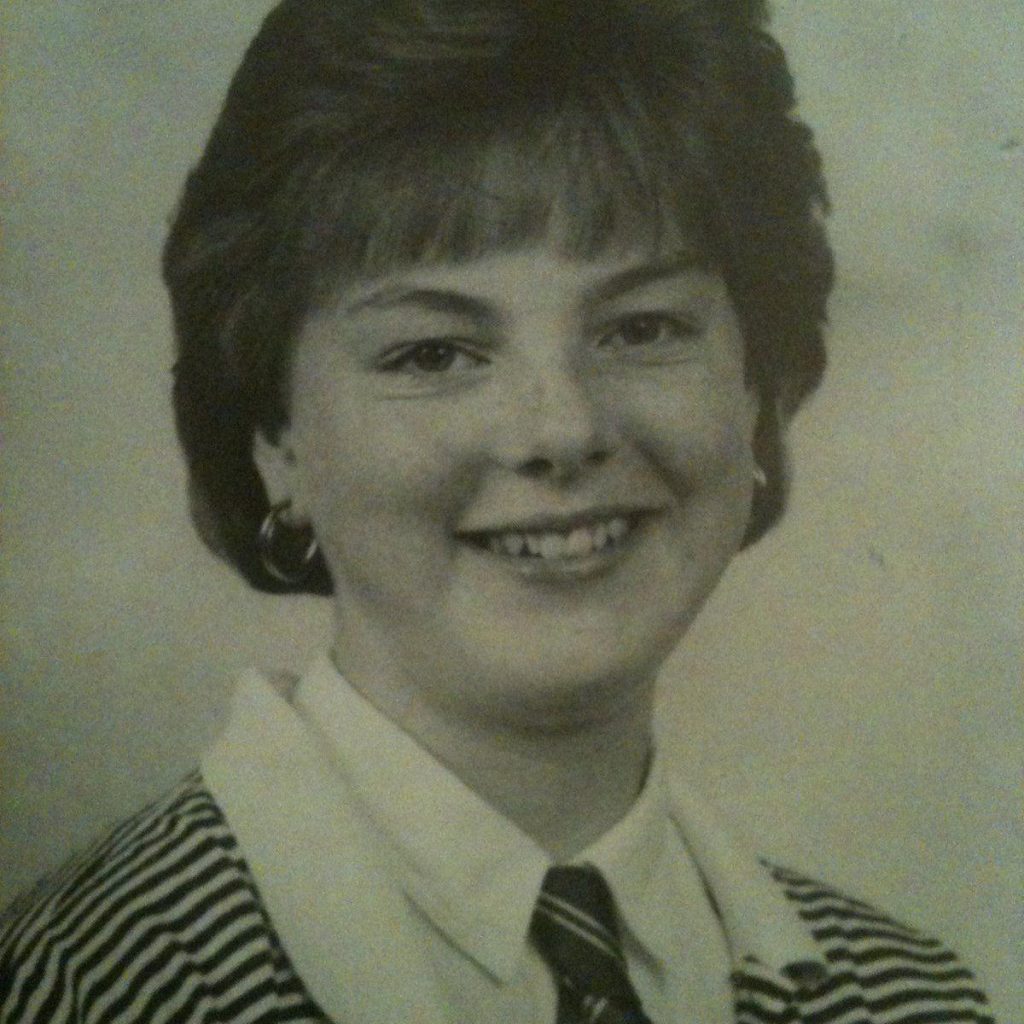
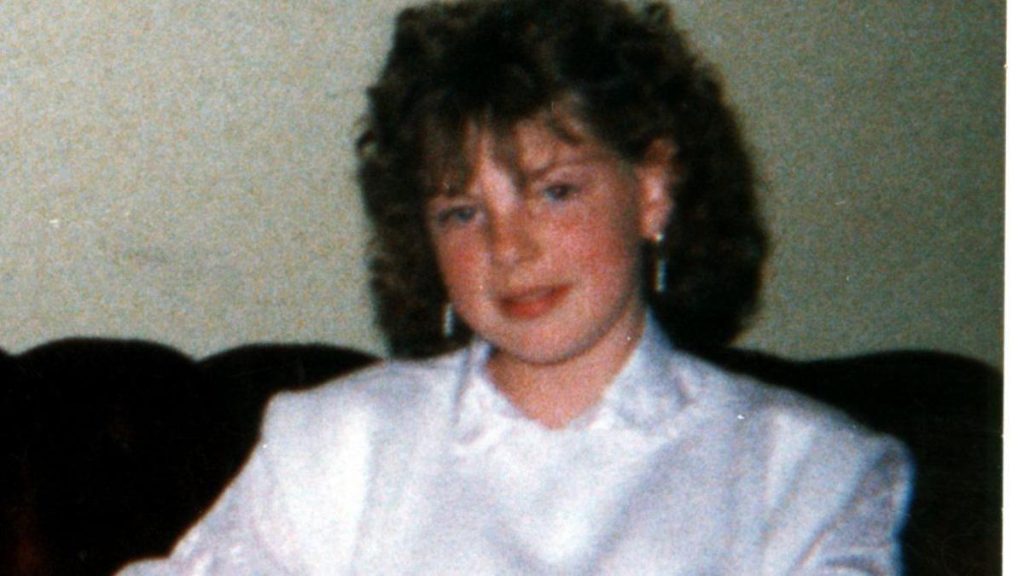
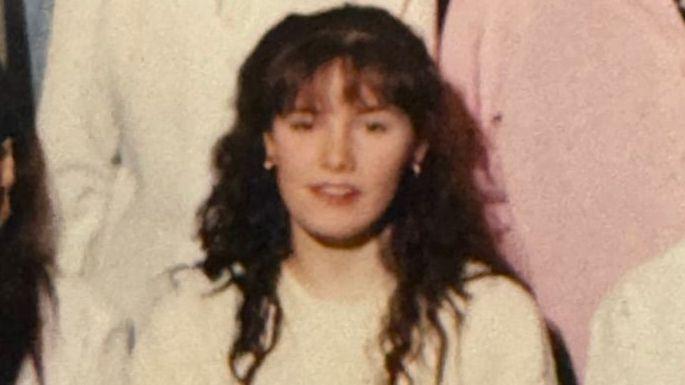
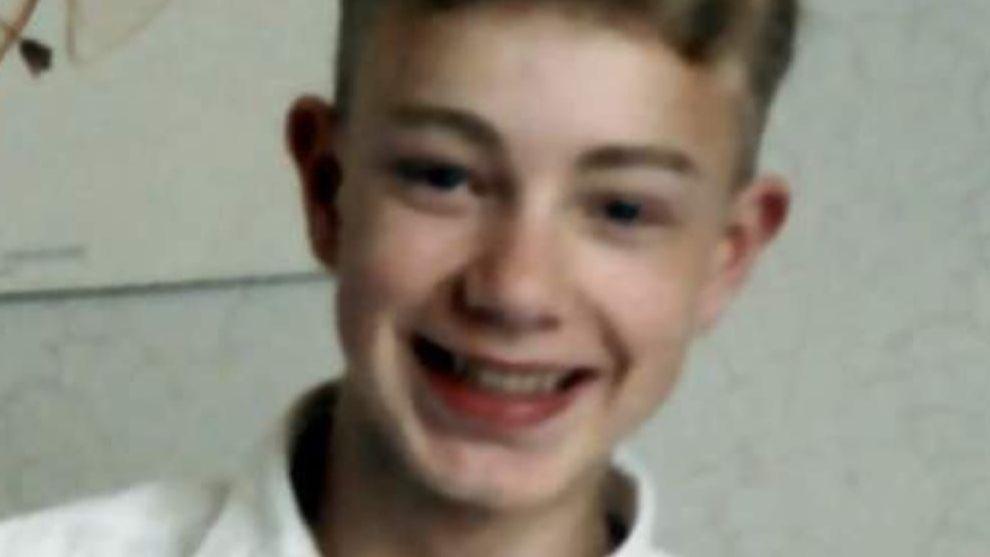
Diane Watson was a 16-year-old schoolgirl from Glasgow, Scotland, who was stabbed to death in the playground of Whitehill secondary school in 1991. Her killing, and the reporting that followed, became central to her family's long campaign against press abuse.
Death
According to testimony by her best friend, Pauline Love Thomson, another pupil, 15-year-old Barbara Glover, came to the school armed with a large kitchen knife. Glover allegedly confronted Watson in the playground and stabbed her. Watson collapsed and was helped across the road to her parents' flat, where her father, Jim Watson, tried to revive her. She was later declared dead at Glasgow Royal Infirmary.
Trial
Glover surrendered to police and was tried for the killing. Pauline Love Thomson gave evidence that Glover had been harassing Watson in the days before the attack, reportedly because Glover believed Watson had been involved with her ex-boyfriend. Glover claimed she had been bullied by Watson, but other witnesses said Watson had not treated Glover badly. The jury returned a unanimous guilty verdict. Because Glover was under 16, she was detained without a fixed release date and was later released in 2000 after serving eight and a half years.
Media coverage and campaign
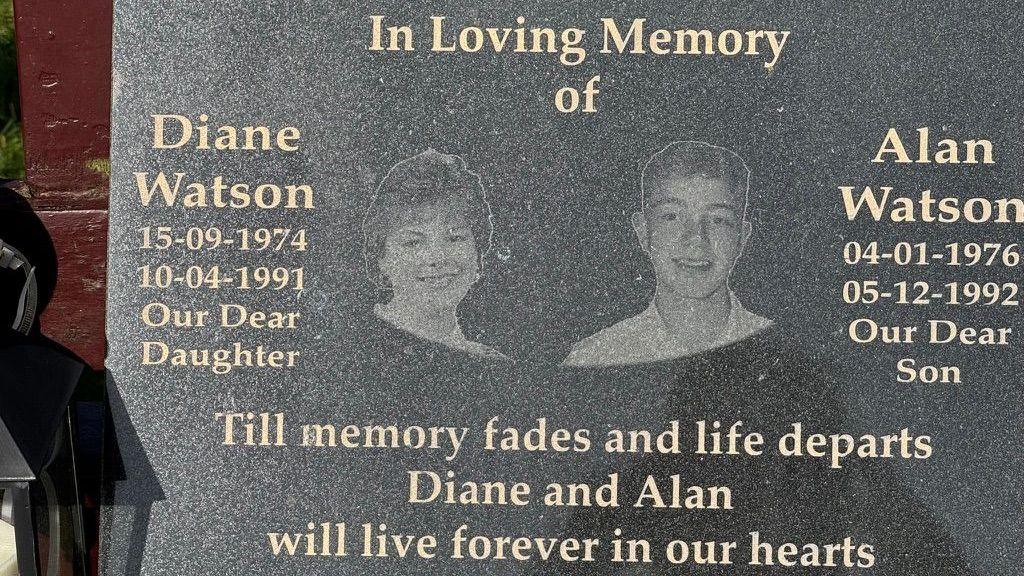
After the trial, articles by Jack McLean in The Herald and Meg Henderson in Marie Claire focused on Glover's claim that Watson had been a bully. McLean also introduced class-based descriptions of Watson's family. The Watson family said the coverage compounded their grief and wrongly damaged Diane's reputation. Watson's brother, Alan, died by suicide less than two years after the killing, and newspaper and magazine cuttings about Diane were found in his hand.
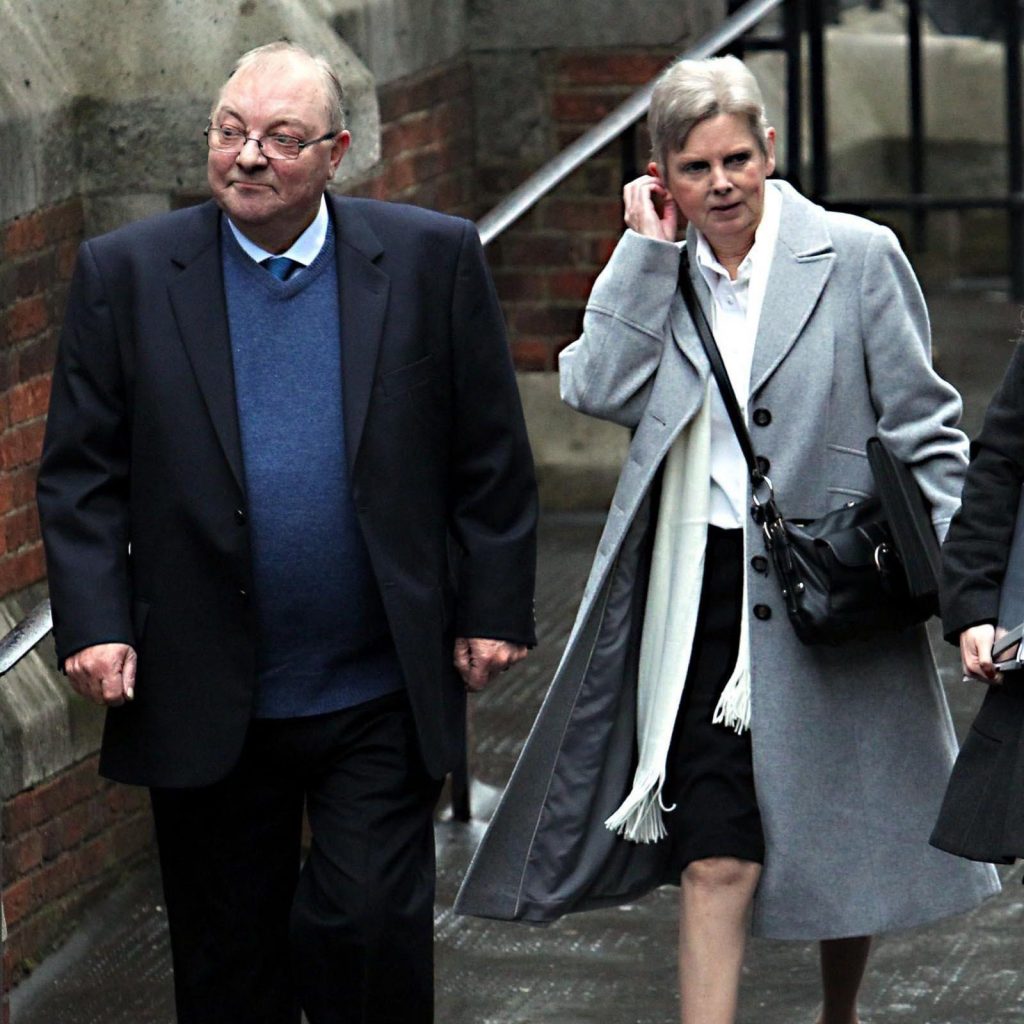
Their mother, Margaret Watson, campaigned for decades for accountability and an apology from the publications. She gave evidence to the Leveson Inquiry in 2011, arguing that a deceased person's reputation should not be besmirched by the press. Both The Herald and Marie Claire later apologised before the deaths of Jim and Margaret Watson.
Disambiguation
This entry refers to the Glasgow teenager whose death was the subject of the 1991 case and later media-ethics campaign. It should not be confused with Diane Edith Watson, the American politician, or Diane Watson, the American compound archer.
Related translated reports
The playground murder: Trauma, loss and a love that endured
Diane Watson's best friend Pauline recalls a shocking school murder and its lasting legacy.
When Diane Watson was stabbed to death in the playground of a Glasgow school in 1991, her best friend Pauline was standing by her side. Pauline watched as 16-year-old Diane collapsed after the knife attack by another pupil and then helped to carry her across the road to the arms of her parents who lived in an upstairs flat within view of the school. Diane's murder would not only devastate her family, her friends and the local community, its shockwaves would go on to be felt for decades. Warning - this story contains descriptions of violence, death and suicide. Thirty-five years later, Pauline Love Thomson has spoken for the first time about the trauma of that April morning when she was just 16. In a new BBC Scotland podcast, Crime Next Door: The Playground Murder , she relives the day 15-year-old Barbara Glover came to Whitehill secondary school in Glasgow's east end armed with a large kitchen knife. Pauline describes how a large crowd of schoolkids gathered round as Glover shouted at Diane while waving the knife - and the chilling moment she dealt the deadly blow. "She actually let out a growl when she stepped forward," Pauline says. "She stabbed her and people started just moving away. Everybody just vanished. "I went over, I just put my arm around her [Diane's] shoulder because I hadn't actually appreciated the damage that the knife would have done. It was a big knife." Pauline tried to help her bleeding friend get home to the flat across the road she shared with her mum, dad and brother Alan. She recalls Diane saying: "I don't believe it. She stabbed me." It was only a short distance to the flat but Pauline felt her friend slumping even before they reached the school gate. With the help of two other girls she got Diane across the road but by the time she reached the entrance to the flat, she collapsed. Her father Jim, who had been alerted by another girl battering on his door, ran down and took his daughter in his arms. He carried her upstairs and desperately tried to revive her as her mother Margaret and 15-year-old brother looked on in horror. Jim tried to give her mouth-to-mouth resuscitation, Pauline said. "I'm shouting, 'you're not doing it right'," she said. "I could hear her gurgling. There was blood coming out her mouth." Diane Watson was later declared dead at Glasgow Royal Infirmary and Barbara Glover handed herself into the police. Three months later, Pauline was the first to give evidence at Glover's trial. She told the court that in the days leading up to the stabbing Glover had been hassling Diane. It was only later, she said, that she found out it was because Glover thought Diane had been going out with her ex-boyfriend. This had culminated in a fight outside a shop which ended with Glover's hoodie being pulled up and her bra exposed, making her feel humiliated. The following morning the schoolgirl put a kitchen knife in her bag and took the bus to school where she stabbed Diane to death. Pauline said Diane was not interested in the boy and that they barely knew Glover, who was in the year below them at school. However, when Glover took the stand she told the court she had been bullied by Diane for over a year. Pauline and others gave evidence saying Diane had never treated Glover badly. The jury unanimously passed a guilty verdict on Glover and because she was under 16 she was detained without limit of time, meaning there was no fixed date for her release. It was a controversial sentence which led to two journalists – Jack McLean in The Herald and Meg Henderson in Marie Claire – writing campaigning pieces about the unfairness of children being detained never knowing when they would see freedom. Neither had attended the trial, but they both latched on to Glover's testimony that Diane was a bully. McLean went further, introducing a class element to his claims. He wrote that Diane "came from a background which was rather upper working class" and that she had the "smart white socks of the daughter of the Labour aristocracy". Pauline said nothing could be further from the truth. Margaret Watson was a dinner lady and her husband Jim was doing casual shifts as a postman. The articles compounded the Watson family's pain at their loss and they felt Diane was being victim-blamed and besmirched. Margaret wanted to sue but was advised they had no legal redress as it was not possible to defame the dead. Alan, who was incredibly close to his sister, struggled deeply with her death and how she was portrayed in the media. Less than two years after Diane was killed, he took his own life. Pauline said newspaper and magazine cuttings about Diane were found in his hand, alongside a note saying he was sorry but he just wanted to be with his sister. The catastrophe inside the Watsons' home sparked a decades' long crusade from Margaret. In the chasm left by her children's deaths, she set out to challenge the power of the media and hold them to account. She said she was not able to rest because of the malicious lies printed about her daughter and demanded an apology from The Herald and Marie Claire. The former dinner lady's campaign brought her into contact with prime ministers, lords, and Hollywood actor Hugh Grant's Hacked Off campaign. It also led to her giving powerful testimony at the Leveson Inquiry into press ethics in November 2011. She told the judge: "Just because a person's died, their reputation shouldn't die with them. "It shouldn't be besmirched at the will of some sick journalist." Pauline says Margaret was small, frail and grieving but she was an "absolute spitfire". "She was a powerhouse but she was driven by grief and anger and rage pretty much the entire time," she said. Jim Watson died in 2020, aged 69, and Margaret a year later, at 71. Before their deaths, both The Herald and Marie Claire apologised. Barbara Glover was released in 2000 after serving eight and a half years. Pauline said she agreed to speak now not only for Diane, but for Alan and their parents. As we spoke, beside her on the sofa was her husband, Andy Thomson. It took me a moment to take it in when they told me that Andy had been Alan's best friend. That through all the tragedy and trauma, this couple found solace in each other and they've been married for 34 years. Their little grandson is the light of their lives. "We were kids and I got what she was going through because I was so close to Alan," says Andy. "And then obviously when Alan passed away, it just drew the two of us even closer. "And we're 34 years together, we're still going strong and always have been. And always will be." "No one gives you a book on how to cope with trauma when you're a teenager," Pauline says. "We were left to cope, and we helped each other. Our life hasn't been all trauma – not at all. But it has been a part of it. "The most important thing for us was we wanted to talk about Diane and Alan, not just the names in the newspapers. "For people to have a better understanding of them as kids – because that's what they were, they were kids. Just normal teenagers who should still be here." If you have been affected by any of the issues raised in this story, information and support can be found at the BBC's Action Line website .