Fentanyl
A highly potent synthetic opioid used medically for severe pain management and widely implicated in the U.S. opioid epidemic.
Also known as: Actiq · Duragesic · Sublimaze
Fentanyl is a potent synthetic opioid belonging to the piperidine family. Medically, it is used primarily as an analgesic in cancer pain management and post-surgical recovery, as well as a sedative for intubated patients. It acts by activating μ-opioid receptors in the central nervous system and is characterized by a rapid onset and short duration of action. Clinical side effects include sedation and analgesia, while primary adverse effects include respiratory depression, emesis, and asthenia, with bradycardia and apnea occurring as more severe risks.
First synthesized by Paul Janssen in 1960 and approved for U.S. medical use in 1968, fentanyl is listed on the World Health Organization's List of Essential Medicines. The precursor chemical 4-ANPP (4-anilino-N-phenethylpiperidine) is commonly used in its chemical synthesis and frequently appears as an unreacted contaminant in illicitly produced fentanyl due to improper purification.
Outside of clinical settings, fentanyl is central to the ongoing U.S. opioid epidemic, particularly its third wave beginning around 2013, which saw a surge in synthetic opioid-related mortality. Estimated to be 50 to 100 times more potent than morphine, the drug is frequently mixed with or substituted for other substances, such as heroin, crack cocaine, and methamphetamine, often without the user's knowledge. Illicit fentanyl is also frequently combined with non-opioid adulterants and synthetic sedatives like xylazine or medetomidine. Because reversal medications such as naloxone (Narcan) specifically target opioids, their efficacy is reduced when non-opioid sedatives or tranquilisers are co-ingested.
Related translated reports
A wave of homemade, synthetic drugs sweeps US and deepens crisis
BBC News hears from users, dealers, prison and recovery workers as the country battles with a deadly new drug epidemic.
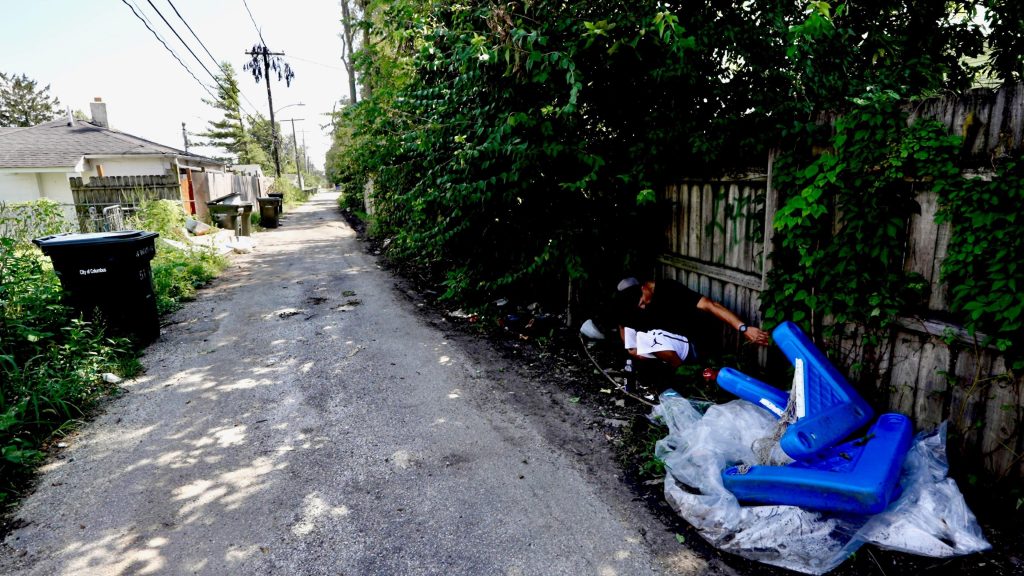
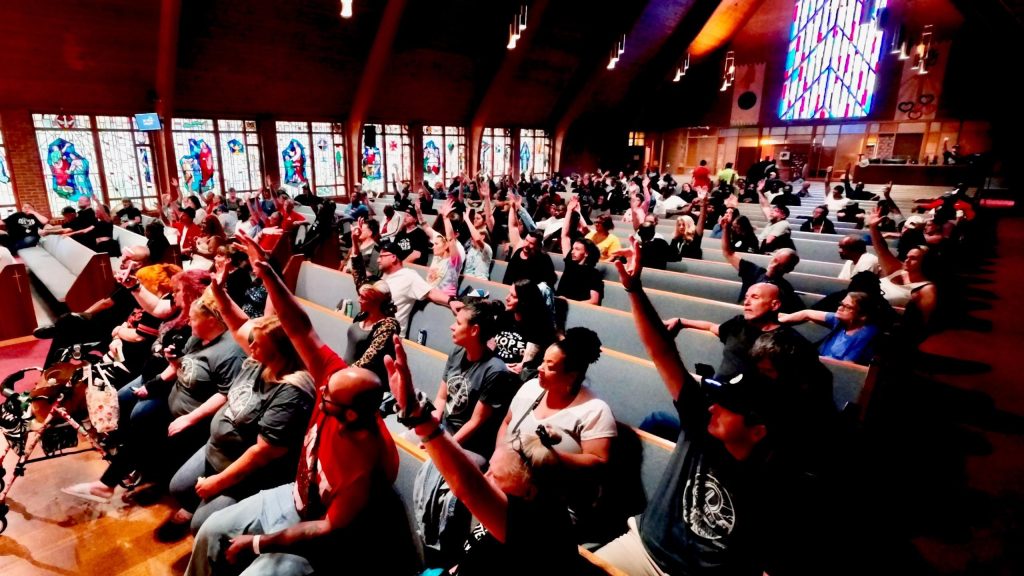
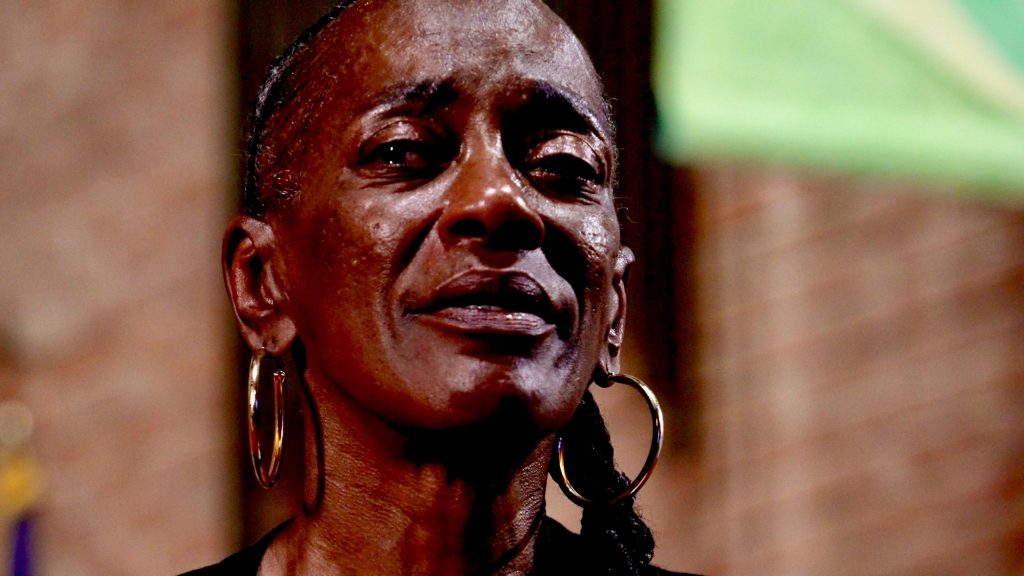
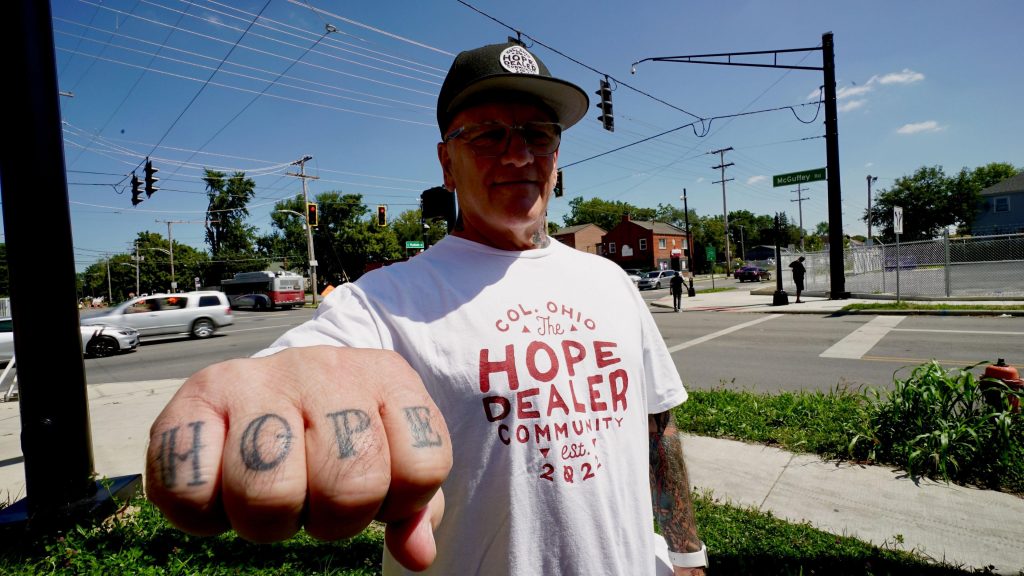
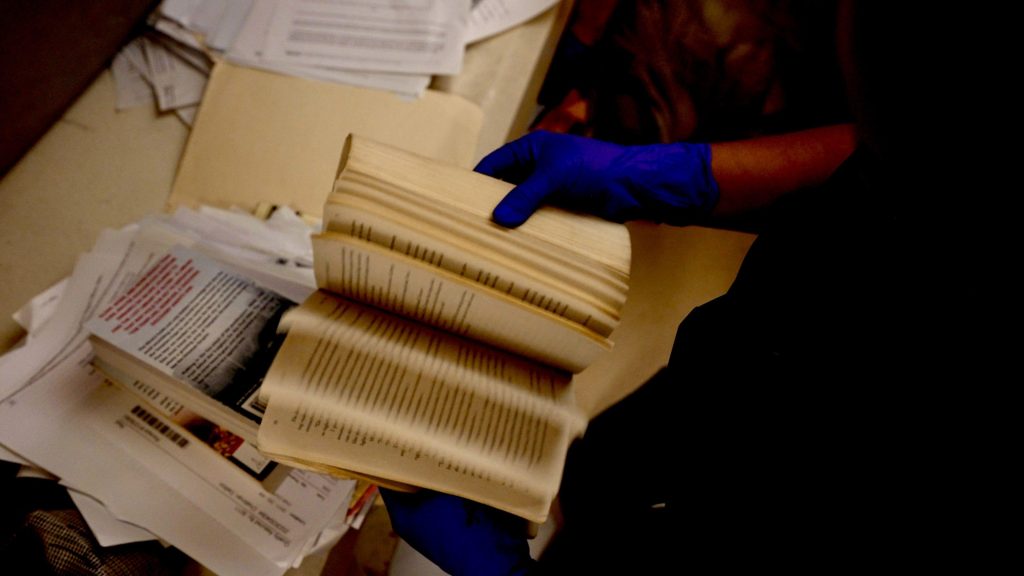
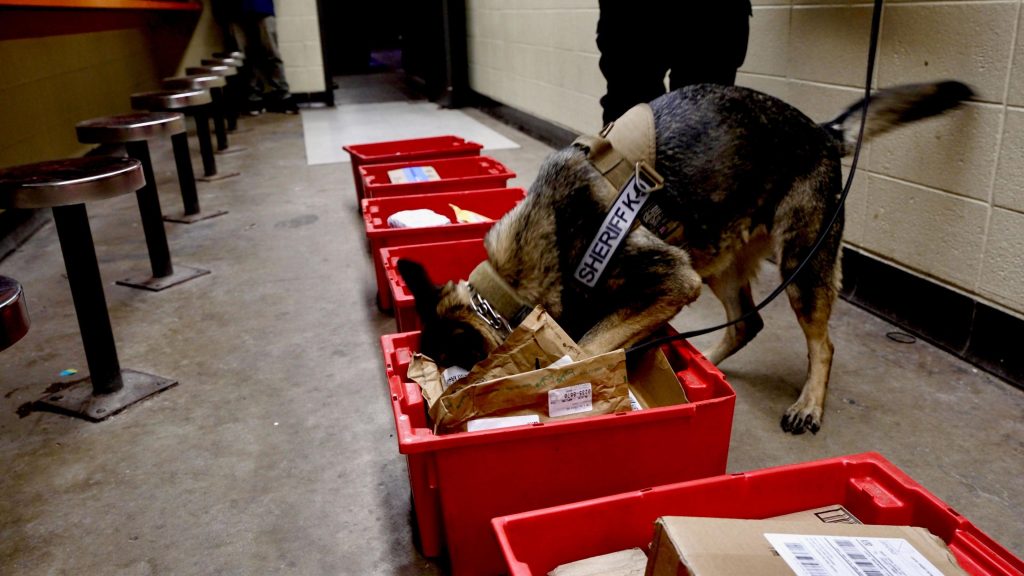
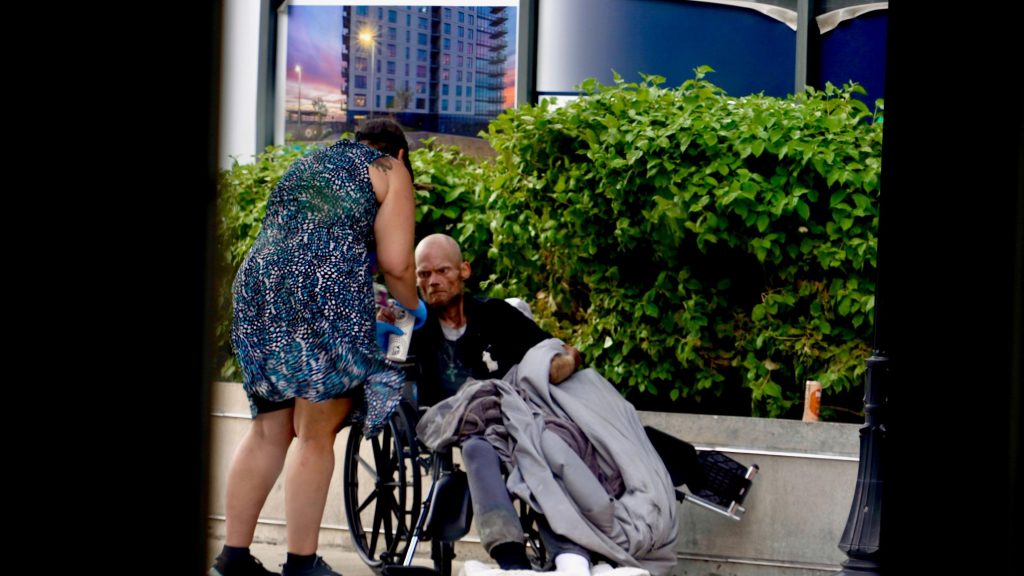
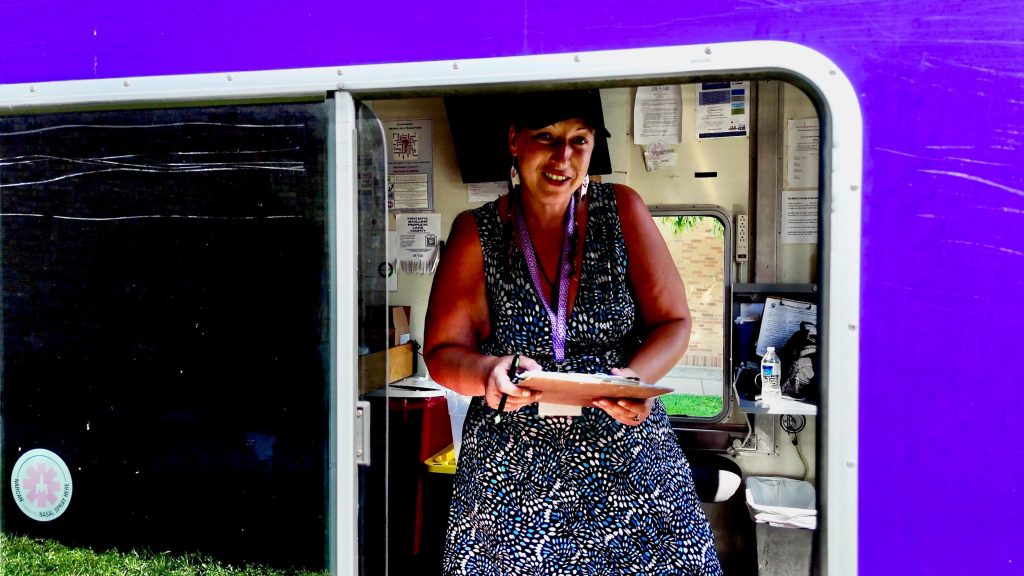
Warning: This story contains descriptions of drug-taking from the start and discusses suicide The few grains of fentanyl sit in the silver foil as a straw, held between Mike's lips, hovers above, with a cigarette lighter below. The 48-year-old army veteran is crouched low in an alleyway in Columbus, Ohio's Linden neighbourhood. "This drug will damn near make you do anything, unfortunately," he says. The hit he's smoking cost three or four dollars. "You can snort too much and you can't take it back. Kind of like a gunshot. Can't call the bullet back," he says. He burns the foil and inhales. As the opioid takes hold, he grips the fence behind him. He sways as a low moan comes from deep in his throat - he could be humming a tune. We've spent a few days with Mike - he's been our guide through the neighbourhood's back streets. Everyone seems to know him and he's regarded fondly. He helps out at a local pawn shop and gas station, and that's how he feeds his 20-year-old opioid addiction. Synthetic opioids are more powerful and in plentiful supply, and they have transformed the drugs landscape. Fentanyl, which is entirely man-made, is 50 to 100 times more powerful than heroin, which is cultivated from poppies. It is now often cut with synthetic tranquillisers, which make reviving overdose victims more difficult. These are homemade threats, where cocktails of synthetics can be made in American basements and bathtubs. We have Naloxone (brand name Narcan) in our pockets, in case anyone on our team comes into contact with fentanyl or anyone around us overdoses. It's a nasal spray that immediately reverses opioid overdoses and its widespread adoption has transformed the number of fatal overdoses in the United States. At its peak in 2022, 110,000 Americans were dying from overdoses, mostly from opioids. The number has been dropping since, down to around 70,000 last year. But that doesn't mean the opioid crisis is over. It's likely that the reversal drug in my pocket, which has saved tens of thousands of drug users' lives, would not have worked on Mike. Because he wasn't just smoking fentanyl. The pupils in his milky blue eyes shrink to pin pricks. "Opioids make your pupils go smaller, but not that small," he says in a singsong voice. Even the fentanyl, dangerous enough on its own, has other synthetics added. When we ask what he thinks his drugs have been cut with, he replies: "Xylazine, and the one we can't pronounce." Medetomidine is what he means. Like xyalzine, it is also referred to as tranq and both are synthetic animal tranquilisers. "Large animal tranquilisers," as one recovery expert told me. They help prolong the high from the fentanyl but are a sedative that slows breathing and, importantly, naloxone doesn't work against them. Xylazine also causes necrotic skin ulcers, wounds so deep they can make it down to the bone and are difficult to treat. At the Glenwood Church on the other side of town, members of the Hope Dealer Community, a recovery group, gather for a weekly meeting. For many, their struggles are written in their care-worn faces, and their eyes are those of survivors of a great trauma. They take to the stage at the front of the church and share their stories with a brutal and courageous honesty. One man tells the story of his overdose in July 2022. Two paramedics worked on him, trying to save his life. He had naloxone drips in both arms. They hit him with the opioid reversal three times to no avail. "That's it, I'm gonna call it," said one of the medics. But the other insisted on one more try, and it was that which saved his life. As the crowd shouts encouragement, Tonya takes to the lectern. She recounts how her nephew died of an overdose while she was overdosing at the same time from crack cocaine, a stimulant spiked with fentanyl, a synthetic opioid. "It's not luck. I'm supposed to be here," she says with tears in her eyes. The audience yells its agreement. Both in Columbus, and later in Chicago, we would hear of crack cocaine users who had died of overdoses after their drugs contained fentanyl. On the street, it's called a "hot dose". "In the last 12 months in Franklin County [Columbus], 78% of fatal overdoses are from stimulants," explains Scott Sanders, 65, who runs Hope Dealers. Scott is almost 10 years sober, a powerfully built man in his early 60s with an electric energy. When he asks the room to raise their hands if anyone has overdosed, most of the gathering does so. "The crisis has just shifted," Scott tells me afterwards. "The tragedy is stimulant users who are purchasing crack think that's what they're getting, and they're not. They're getting crack mixed with fentanyl or other opioid cocktails and overdosing without being aware of it." Overdose deaths among black men in Ohio are actually increasing, he adds. His organisation works with the Centers for Disease Control and Prevention (CDC) on a drug sampling programme. Participants bring their needles or pipes for swabbing and the samples are sent to the CDC's laboratory in North Carolina. That's how we learned that Mike's instincts were right, he likely wasn't just smoking fentanyl. One of the drug kits he brought in tested positive for medetomidine. "The drug supply in 2026 is this: we think we are buying crack but we're not, we're buying a number of different things," says Scott. "Today it is mixed, not just cut, but mixed with other drugs such as fentanyl or meth, and then other adulterants chemicals that are made in basements." And it was basement-made synthetic drugs that would cause a dramatic increase in overdose deaths one state over, in Illinois. I meet a dealer in Chicago who works for the Mexican cartels selling fentanyl. He would only speak to us if we agreed to mask his identity. Challenged on his role in the 50,000 people dying each year because of the opioid crisis, he says he knows it is wrong. But when asked why he keeps doing it, he said the end justifies the means. He told me that despite the latest efforts by the US government to target the cartels by declaring them terrorist groups and labelling fentanyl a weapon of mass destruction, his supply chain is as strong as ever. When I ask him if the targeting of boats containing suspected traffickers by the Trump administration has made any difference, he replies that his product is still getting through from Mexico. "If it doesn't go over the wall, it goes under the wall. If it doesn't go through the border, it comes through the top border. This game is about adaptability." And when I asked what has changed in his business, his answer was clear. "Synthetics. We haven't seen... what synthetics can do yet. It's not even the tip of the iceberg," he tells me. Chicago's largest jail, one of the largest jails in America, is Cook County. Traditional drugs were usually brought into the jail in body cavities, so the jail had the same body scanners you find at airports to prevent that happening. "In 2023, all of a sudden we saw a spike in overdose deaths, but then hand in hand with that we saw, around persons that had either passed away or people we revived, paper all over the place," explains Sheriff Tom Dart, who runs the jail. "We were seeing paper that was being burned and all of this was completely novel." The facility, which averages one or two overdose deaths a year, lost eight inmates that year to fatal seizures. Security footage shows prisoners spasming and collapsing. It also showed them lighting paper in microwaves in the cell block kitchens. It was indeed, as Dart said, a novel approach. Drugs were being mailed into the jail soaked in the pages of books and in letters. "Cannabinoids and being soaked in a range of other things that were then subsequently lit on fire and inhaled to get high", the sheriff explained. Cannabinoids, sometimes know as K2, are an entirely synthetic version of a cannabis plant extract. They are extremely dangerous and were to blame for the fatal seizures. In August, I joined Dart's corrections officers as they prepared for an early morning raid on the jail's high security D block. Around two dozen officers tread lightly and speak in hushed tones as they gather outside the block door. "Don't let them hear you. Silence, silence," commands one of the officers leading the search. As the officers rush in, I smell burning paper in the air and can hear the sound of toilets flushing, presumably as contraband is hurriedly disposed of. As the search gets under way, the focus is on any paper in the cells - the books and letters belonging to inmates. The detainees are escorted to a holding area as the cells are turned over. Every scrap of paper in the rooms is checked by the officers. There are burn marks on the vents in many of the cells, where inmates place smoulder tapers that allow them to ignite the drug-soaked paper. Now every piece of post that enters the jail is scanned for moisture. Somewhere between a quarter and a fifth of all packages and letters test positive and are rejected. Outside the jail's walls, it's not hard to encounter the effects of the synthetic drugs wave on Chicago's streets. In the west of the city, day and night, men and women are bent double, swaying, as Mike did, as fentanyl and other synthetics surge through them. In the upscale Oak Park neighbourhood, the local metro station has a vending machine that dispenses naloxone for free. Nearby, a gaunt-looking man in a wheelchair has deep wounds in his legs, likely from xylazine use. He's being tended to by 40-year-old Karen Bell. Karen is a recovery worker with the group Liv4Lali. A former heroin user, she's 17 years free from hard drugs. She exudes kindness, and when I ask her about the drugs being used now, she says, "so many things are being mixed in right now. And it's affecting our bodies, whether it's the wounds, whether it's the withdrawals - and sometimes wounds can extend to the point where it's life changing." Her organisation, like Hope Dealers in Columbus, distributes test strips which check drugs for fentanyl, medetomidine, xylazine and other adulterants. The drugs now, says Karen, are "way more dangerous". "Because before, back in my day, I stopped using heroin 17 years ago, right. That was still heroin. When you bought that you knew it was heroin. But now, when you buy a bag, you don't know really what it is," she tells me. Dart has been sheriff of Cook County for 20 years, so I ask him how the war on drugs was progressing. "I don't think there's anybody involved with it who would sit there and say it's a raging success. It's not," he tells me. And the new problem, he says, reiterating the Chicago drug dealer, is synthetics. "The tradition has always been that law enforcement had an even more vital role because everything that was potent was coming across the border, whether it was coming from Colombia, Mexico, China, the poppy fields of Afghanistan. Now, with the explosion of synthetic drugs, people can do this in their house, in their sink, in their bathtub, you name it." Victory in the war on drugs won't come from focusing just on the supply side, the sheriff adds. "Front and centre there's got to be huge substance abuse treatment," he says, mentioning a number of recovery programmes running in his jail. "You can reduce the market if you can address people's issues with substance abuse. And I know many people who, after long struggles, have come out on the other side in a really good way." Karen knows how difficult it is to quit. She was still using heroin when she got pregnant with her daughter, Abby, now 17. After our meeting at the metro station, I meet them both in a country park in a suburb outside Chicago. With typical care, Karen tells me to watch out for the poison ivy as we walk along a muddy track. It wasn't far from here, around 17 years ago, that she was at her lowest ebb. As the wind blows through a tall oak tree beside us, she says: "The day I found out I was pregnant, I was on my way to commit suicide. I was so fed up with trying to quit. I was so fed up with living in a tent in the woods, using a bucket. I was so fed up with losing my friends and family because I was just so ashamed." A pregnancy test changed her mind. She then spent time in Cook County jail for theft. Her parents, sensing an opportunity for her to get clean, refused to pay her bail money. So Karen got clean and Abby was born inside the jail. When I ask Abby, who wants to become a tattoo artist, whether she's ever been tempted to experiment with drugs, she says: "Nah, I've seen it mess with my family too much, with my dad, my mum, killing my aunt, my uncles. You know, it's not worth it to get high for like a couple of hours." She continues: "There's a lot of people are struggling, especially that our country is raising our prices, raising the prices on food and it's causing it. A lot of mental health now is very expensive so people can't get help, and one way they can turn to that is by drugs." Generations of Americans have endured the drugs crisis, but it is never the same crisis. It has shifted from heroin, to prescription opioids to fentanyl and now to a whole new range of synthetics. Successive administrations have fought - and lost - the war against drugs. The dealers, the suppliers, the cartels and users all adapt, always a few steps ahead of efforts to stop them. Additional reporting by Darren Conway If you are suffering distress or despair and need support, you could speak to a health professional, or an organisation that offers support. Details of help available in many countries can be found at Befrienders Worldwide , external . A list of UK organisations that can help is available here .