Aberfan disaster
The catastrophic 1966 collapse of a colliery spoil tip in Aberfan, Wales, which killed 116 children and 28 adults.
Also known as: Trychineb Aberfan
The Aberfan disaster (Welsh: Trychineb Aberfan) was the catastrophic collapse of a colliery spoil tip on 21 October 1966 in the Welsh mining village of Aberfan, near Merthyr Tydfil. Seven spoil tips stood on the hills above the village. Tip 7, begun in 1958 and about 111 feet (34 metres) high, had been created partly on ground where springs emerged, contrary to National Coal Board procedures. After heavy rain, water built up within the tip and about 140,000 cubic yards (110,000 cubic metres) of spoil slid downhill as a slurry, engulfing Pantglas Junior School and nearby houses.
Casualties and immediate impact
The disaster killed 116 children and 28 adults. The school was struck as lessons had just begun, and teachers and pupils died. Staff members are remembered for trying to protect children: Nansi Williams died after shielding five children, and deputy head David Beynon died while attempting to shield the children in his class.
Inquiry and responsibility
The Tribunal of Inquiry into the Aberfan Disaster, chaired by Lord Justice Edmund Davies, investigated the causes and circumstances of the collapse. Its report placed blame on the National Coal Board (NCB), which was responsible for the tip, and named nine NCB employees as having some degree of responsibility.
Commemoration
Aberfan has remained a place of public mourning and commemoration. A memorial garden was built on the site of the destroyed Pantglas School. The disaster's 60th anniversary prompted visits by UK political leaders, meetings with survivors, and renewed attention to the safety of remaining coal tips in former mining communities in Wales.
Related translated reports
Prime minister visits Aberfan ahead of 60th anniversary of ‘horrifying tragedy’
A total of 116 children and 28 adults were killed on 21 October 1966 when a colliery spoil tip collapsed.
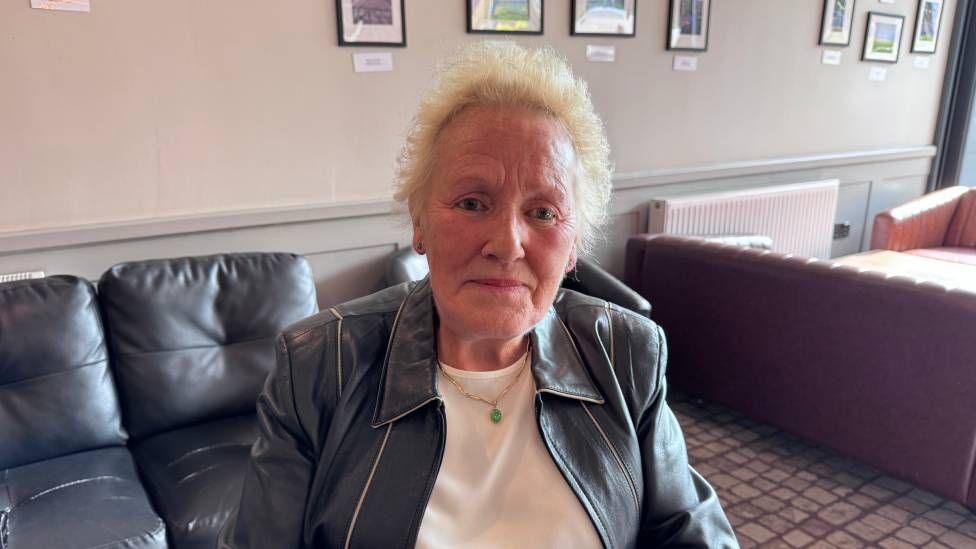
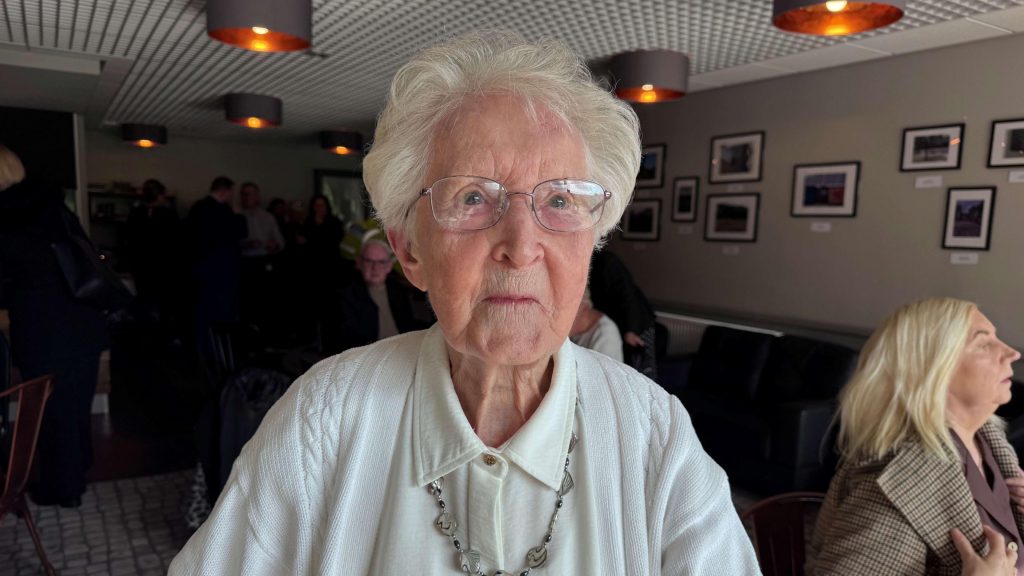
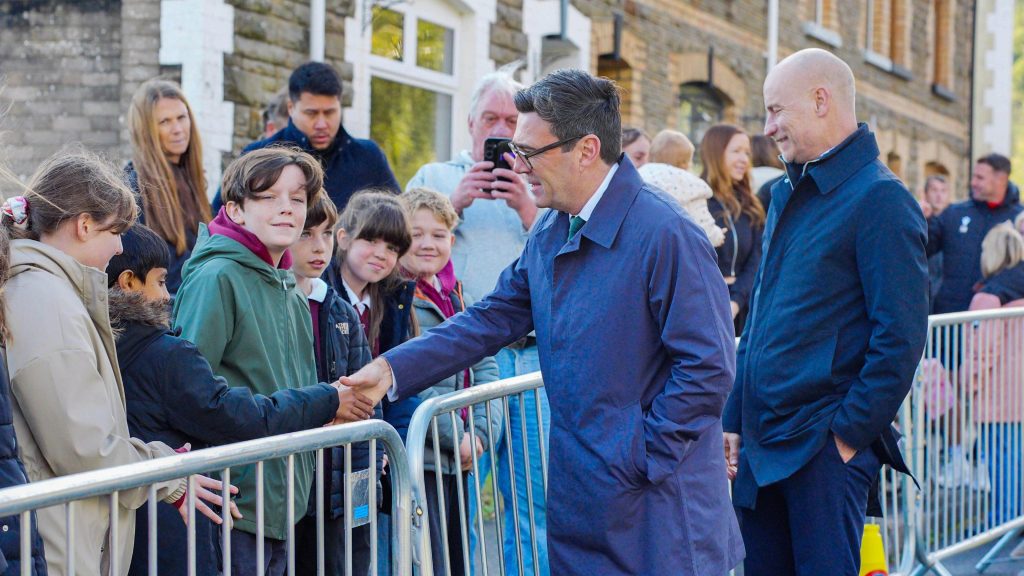
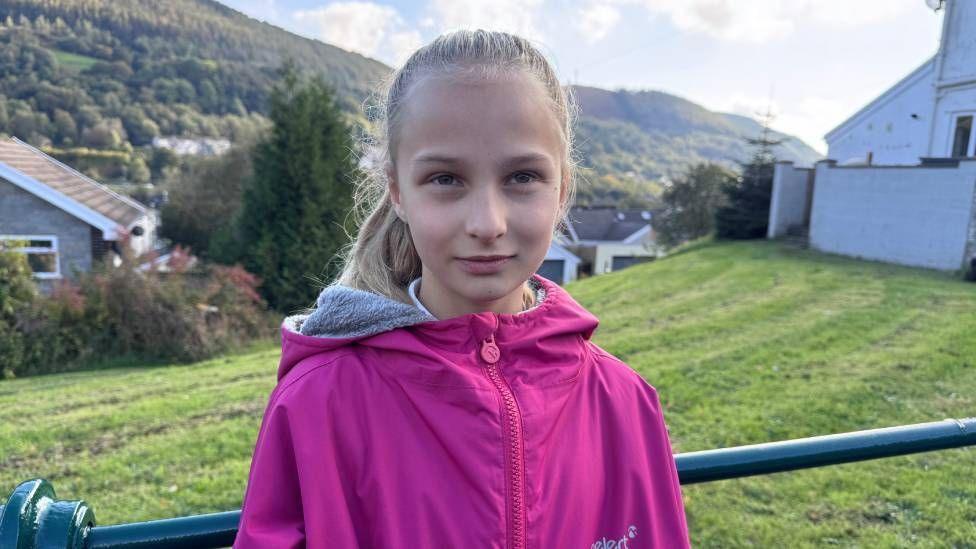
Prime Minister Andy Burnham has visited Aberfan ahead of the Welsh mining village marking 60 years since a coal waste tip collapsed and engulfed a school, killing 144 children and adults. Burnham laid a wreath at the memorial garden on Monday, alongside survivor Jeff Edwards, who was one of the last children to be brought out alive from the rubble, and Welsh Secretary Stephen Kinnock. "It's been 60 years since one of the most horrifying tragedies this country has ever seen. All of those children lost," Burnham said. On 21 October 1966, 116 children and 28 adults were killed when a colliery spoil tip collapsed, catastrophically engulfing a primary school and surrounding houses. A survivor who spoke to the prime minister said that although she felt some "guilt" and missed those who died, it was important for her to talk about what happened. The prime minister said the tragedy was something his parents had told him about when he was growing up, adding that he was there to "recognise the community" and what they had been through. "The strength of the community today is something to see and something to feel," he said. "To say also to them, I don't think Aberfan was treated properly by the authorities and that also needs to be recognised. "Because at a moment like this, I think all of those things need to be said and it's right that the prime minister is here to say that to them." Burnham spent about 15 minutes in the memorial garden, before speaking to people who had gathered outside, and visiting a community centre. Burnham also addressed coal tip safety in former mining communities in south Wales. "It's of critical importance that we make sure that all of the remaining tips around Wales are safe indeed across the country," he said, adding he represented a former mining community in Makerfield near Manchester . He said his government was providing around £140m to the Welsh government , who were "adding some extra funding themselves". "There's an organisation that is being set up to manage all of these ongoing risks," he said. Burnham met with survivors of the tragedy, including Irene Hollett, a former pupil at Pantglas school, who said it was a difficult time but that it was important for her to speak about what happened. "A lot of stuff comes back to you. You feel grateful that you are still around 60 years on, but then you miss your friends and family that we lost at the time," she said. "You can fell a bit of guilt that you are still here. "It's a difficult time, but it's got to happen. All of this has to happen for nothing ever to be forgotten". She said the conversation she and her fellow survivors had with the prime minister was "pleasant". "We were laughing about being naughty in school, how we played truant, and we just chatted about who we were and how we are all together today," she said. Marilyn Brown's children were in Pantglas school and she lost her daughter Janette, but her son was saved by a teacher. She said: "I didn't realise he was saved because he'd run up from the school and I had run up to the school, and we sort of passed one another. "But I didn't think Janette would die. In my mind, she was still alive. "We stood up at the top by the school, and all the women were together, and I ran from the house." Speaking to BBC, she recalled that her daughter didn't want to go to school that day, but Brown and her husband told her "you've got to". She then watched her children walk up the street to school. "I thought, 'oh, I'll sit down now and have a cup of tea,'" she said. "I sat down. It wasn't there hardly any time at all, and my nephew run down the street and said, 'you'd better come up to the school... there's something gone wrong.'" Brown ran up the street in her slippers and remembers being stood waiting for "a long, long time" to find out what was happening. "We didn't realise then the children had died," she said. "It's still there. It'll never go away, and I hope people will remember, and they have today." Brown described Burnham as "very nice, very down-to-earth and very, very respectful". While sat around a table with him, Brown said she "didn't say about losing a child" or that she "was a survivor". "We didn't really say an awful lot to him," she said, but he made them "feel very comfortable", which she described as "lovely." Pupils from Caegarw Primary School in nearby Mountain Ash, Rhondda Cynon Taf, were on a visit to the memorial garden - built on the site of the destroyed Pantglas School, on Monday morning - unaware that the prime minister would also be there. Burnham met pupils including Ellis, 10, whose granddad travelled across the valley to Aberfan to help with the rescue effort. "It means a lot to me and he tells me stories," said Ellis, who described visiting the memorial garden as "emotional". Holly, aged 10 from Caegarw, also told the prime minister she had a personal connection with the tragedy. "I told him about my godmother's daughter being one of the children who passed away in the disaster," she said. "He said 'wow'. It means a lot for us to be here." Burnham stopped to chat with local residents after visiting the garden before heading to the nearby community centre. King Charles III, Queen Camilla and Prince William will visit the town on Wednesday to mark the anniversary, following on from the late Queen Elizabeth II who visited Aberfan eight times. Queen Elizabeth's reaction to the disaster in Aberfan was said to be one of the biggest regrets of her 70-year reign.