UN World Food Programme
The UN World Food Programme is the United Nations agency for food assistance and emergency relief; it reported severe funding shortages forcing cuts to aid in Gaza and the West Bank.
Also known as: World Food Programme · WFP · United Nations World Food Programme · UN WFP
Overview
The World Food Programme, commonly known as WFP, is an international organization within the United Nations that provides food assistance worldwide. It is described as the world's largest humanitarian organization and a leading provider of school meals. Founded in 1961, it is headquartered in Rome and has offices in 87 countries. In 2023, it supported over 152 million people and operates in more than 120 countries and territories.
WFP's work includes emergency food relief, technical and development assistance, emergency preparedness and response, supply chain and logistics management, social safety programmes, resilience against climate change, and direct cash assistance. It also provides passenger services for humanitarian workers through the United Nations Humanitarian Air Service, known as UNHAS. The agency is an executive member of the United Nations Sustainable Development Group and is associated with achieving Sustainable Development Goal 2, zero hunger, by 2030. It was awarded the Nobel Peace Prize in 2020.
Role in the Gaza aid cuts
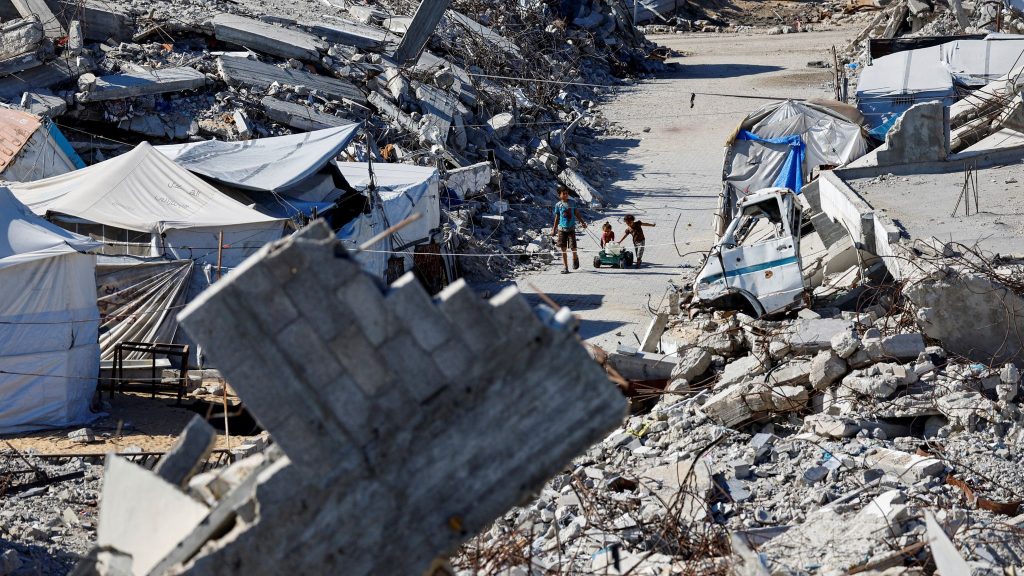
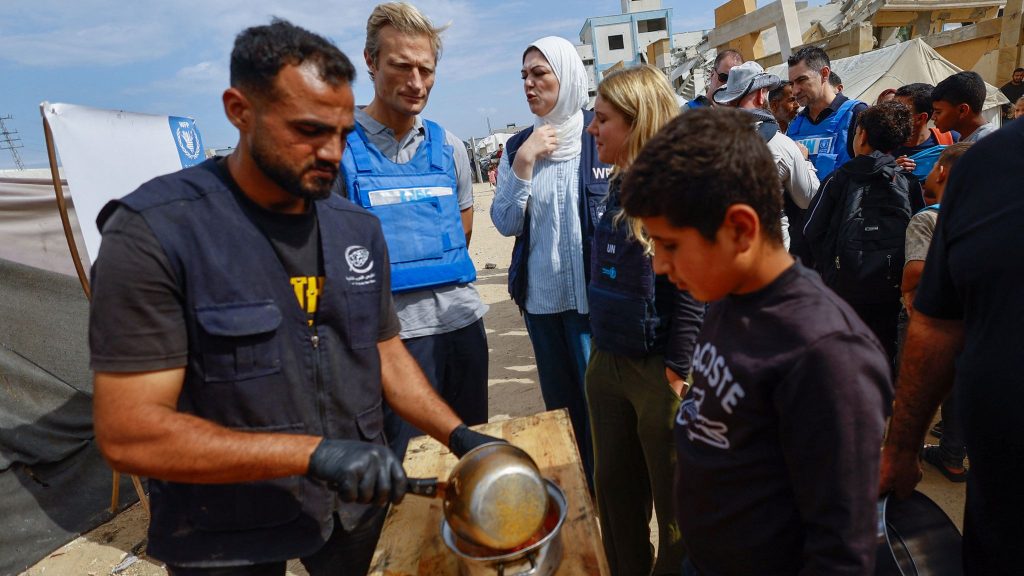
According to the news report, WFP said it was forced to drastically reduce aid to Gaza because of funding shortages. It cut the number of people assisted from 1.6 million to 1.1 million, leaving about half a million people without critical monthly food support as winter approaches. Since the ceasefire was announced in October last year, WFP has provided food parcels, wheat flour, bread, hot meals, school snacks, nutrition support and cash assistance.
The agency said it had received less than half as much funding for its Palestine operation in 2026 as in previous years and urgently needed $450m, or £338m, to continue operations in Gaza and the West Bank until March 2027. It said food assistance had provided a lifeline for up to 90% of families in Gaza over the past three years, but it no longer had sufficient funding to sustain that level of support.
Reported reductions included halved food rations, cash assistance cut for 75,000 families, and daily hot meals reduced from 250,000 to 150,000. Some families in hard-to-reach areas were said to receive hot meals only every other day. WFP also said two-thirds of the population in Gaza were struggling to get enough to eat. Acting executive director Carl Skau said the cuts were happening as Gaza faced a fourth winter and called on the international community to sustain support and push for early recovery.
Related translated reports
UN cuts food aid to half a million Gazans over funding shortages
The UN World Food Programme (WFP) has said it is being forced to "drastically reduce" aid to Gaza because of funding shortages.
The UN World Food Programme (WFP) has said it is being forced to "drastically reduce" aid to Gaza because of funding shortages. The number of people helped by its aid programme is being reduced from 1.6 million to 1.1 million, it said, leaving around half a million people in the Palestinian territory without critical monthly food support as winter approaches. Since the ceasefire was announced in October last year, WFP has been providing food parcels, wheat flour, bread, hot meals, school snacks, nutrition support and cash assistance. However, it said it has received "less than half as much funding for its Palestine operation in 2026 as in previous years" - and urgently needs $450m (£338m) to continue its critical work in Gaza and the West Bank until March 2027. The UN agency said: "For the past three years, WFP's food assistance has provided a lifeline for up to 90% of families in Gaza. "WFP no longer has sufficient funding to sustain this level of support." Food rations have been halved, cash assistance cut for 75,000 families, and daily hot meals reduced from 250,000 to 150,000 - meaning some families in hard-to-reach areas are only receiving one every other day. The WFP said two-thirds of the population in Gaza are struggling to get enough to eat. "It's a year into the agreement of this ceasefire. Well, life is still brutal here. There is no proper shelter... no basic services. There is no safety, no security," WFP's acting executive director Carl Skau told Reuters news agency in Gaza. "These cuts are happening just as we are facing the fourth winter. You know, I've been through the winters here, absolutely brutal." He added: "We tell the world now is not the time to look away. This is the time to step up to sustain this support, to protect the progress that has been made, but also to push for early recovery." Google users can see more from their preferred sources in search results - click here to make yours Sky News The US-backed ceasefire between Israel and Hamas remains in place. While it has reduced large-scale fighting in Gaza, it has not ended Israeli strikes on the territory and there has been little progress towards a permanent peace.