Trump Envoy Heads to Russia for Talks with Putin as U.S.-Ukraine Intelligence and Weapons Disputes Continue and Russian Drone Strikes Kill Many
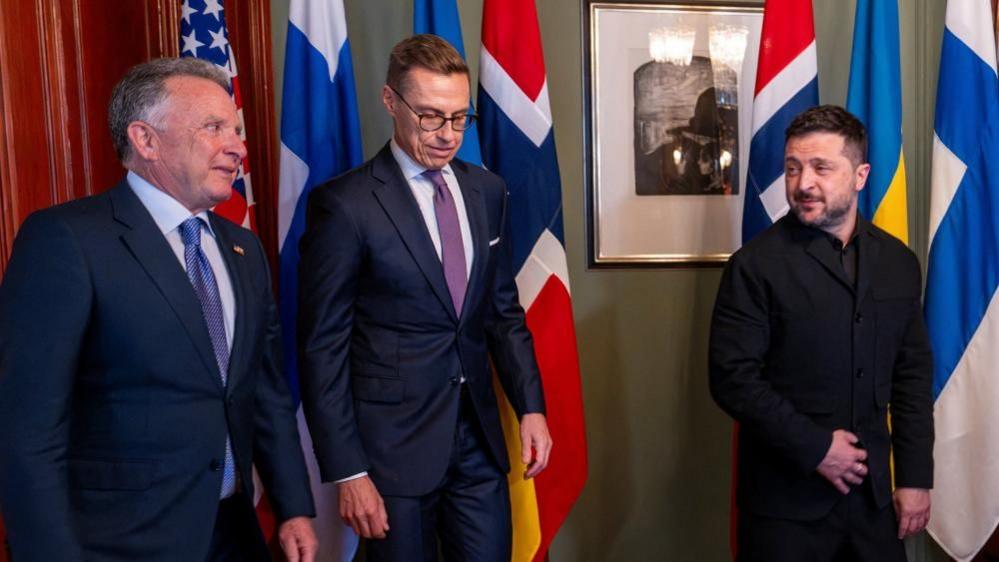
As Trump envoy Steve Witkoff met Zelenskyy in Oslo and then arrived in St. Petersburg to prepare for peace talks with Putin, U.S.-Ukraine relations continued to face multiple tests. Although Zelenskyy said missile-warning intelligence-sharing had returned to normal, earlier disputes over alleged U.S. withholding of intelligence, restrictions on the Starlink network and delays in Patriot missile deliveries continued to simmer. Meanwhile, Trump continued to pressure Ukraine to “change its president,” while Russia rejected political concessions and continued deadly drone attacks on Ukraine. European allies expressed concern about mixed signals from the United States and called for patience with the peace proposal.
Background
- The United States previously passed the Lindsey Graham Sanctioning Russia and Iran Act of 2026, which prohibits imports of Russian energy until Russia ends its aggression against Ukraine.CBC
- Trump envoy Steve Witkoff and his son-in-law Jared Kushner met Ukrainian officials in Miami and Oslo to discuss proposals to end the war. Witkoff then travelled to St. Petersburg, Russia, for talks with Putin. Meanwhile, Trump publicly blamed Zelenskyy for the war and high U.S. diesel prices, and suggested Ukraine replace its president.CBC BBC
- U.S.-Ukraine relations have recently deteriorated. Ukraine accused the United States of restricting Starlink network speeds and withholding key missile-warning intelligence. U.S. senators from both parties called for an investigation into the Starlink restrictions, while deliveries of Patriot interceptor missiles were delayed.BBC
Key actors
- Donald Trump (U.S. president): Unilaterally announced a Russia-Ukraine “energy ceasefire,” announced the lifting of sanctions on Russian diesel and an import deal, pressured Ukraine to stop striking Russian refineries, and publicly suggested Ukraine “change its president,” blaming Zelenskyy for the war and high fuel prices.CBC GUARDIAN CBC BBC CBC GUARDIAN CBC BBC
- Volodymyr Zelenskyy (Ukrainian president): Welcomed the ceasefire proposal but said Russia violated it, strongly opposed the U.S. lifting sanctions on Russian diesel, calling it a “weak decision by the strong,” and accused the United States of restricting Starlink and intelligence-sharing, later saying intelligence-sharing had returned to normal.CBC GUARDIAN CBC BBC GUARDIAN CBC BBC
- Vladimir Putin / Kremlin (Russian president / Kremlin): Rejected a temporary energy ceasefire, called for a long-term peace agreement, launched large-scale attacks on Ukrainian energy facilities and residential areas after the ceasefire announcement, and refused to make political concessions in peace proposals.CBC GUARDIAN GUARDIAN BBC BBC
- Mark Carney (Canadian prime minister): Supported the energy ceasefire, but made clear to Zelenskyy that Canada viewed Trump’s diesel deal as contrary to supporting Ukraine.CBC
- Ulf Kristersson (Swedish prime minister) / Radoslaw Sikorski (Polish foreign minister) / German government: Expressed regret and skepticism about the U.S.-Russia diesel deal, maintained support for sanctions on Russia, and advanced a new EU sanctions package.CBC
- Alexander Stubb (Finnish president): Said the peace proposal had made “real progress” and urged patience with the peace process.BBC
- Marco Rubio (U.S. official): Acknowledged that Patriot interceptor missiles might not yet have reached Ukraine, but stressed that their delivery had not been deliberately refused.BBC
- JD Vance (U.S. vice president / official): Said Kyiv was a partner but that the two sides had different interests, and stated clearly that Ukraine should not join NATO.BBC
- Friedrich Merz (German leader): Expressed concern about U.S. statements on the war, saying they conveyed “a mixed picture and message,” and sought to persuade the United States to work together to resolve the conflict.BBC
Confirmed facts
- Over the weekend after the diesel deal was announced, Russia dropped five glide bombs on a residential building in Zaporizhzhia, killing at least 17 people, including three children, and injuring 16. Kyiv was also hit by a daytime missile attack that injured four people.CBC
- The EU plans to introduce its most comprehensive sanctions package against Russia, with 1,600 targets aimed at Russia’s military-industrial complex, in response to the United States easing sanctions.CBC
- After meeting Zelenskyy in Oslo, Trump envoy Steve Witkoff arrived in St. Petersburg, Russia, to prepare for peace talks with Putin.BBC
- Zelenskyy said intelligence-sharing with the United States on missile attacks was “working normally,” although Kyiv had previously accused the United States of withholding key intelligence, a charge Washington called “outrageous.”BBC
- U.S. official Marco Rubio acknowledged that Patriot interceptor missiles might not yet have arrived in Ukraine, but stressed that their delivery had not been deliberately refused.BBC
- Ukrainian officials said Russian drone attacks on Tuesday killed at least 10 people, while an attack near Kharkiv on Wednesday night killed two more.BBC
- A bipartisan group of U.S. senators called for an urgent investigation into speed restrictions on Ukraine’s Starlink network.BBC
Claims and disputes
- The impact of the U.S. lifting sanctions on Russian diesel and the import deal on domestic fuel prices. Trump claimed it would lower prices; energy analysts and EU officials said 300,000 tonnes was less than the U.S. transport sector’s daily consumption and would have a negligible effect on retail fuel prices.CBC CBC GUARDIAN
- Why Ukraine received no warning before the ballistic missile attack on Monday night. Zelenskyy said intelligence from partners had not been received; Ukrainian Foreign Minister Sybiha said the warning was delayed because Russia used a “special type of weapon,” not because information was deliberately withheld.CBC
- Whether Russia is capable of fulfilling its diesel export deal with the United States. Poland’s foreign minister questioned whether Russia could deliver diesel at all given fuel shortages and damaged refining capacity, while the Trump administration continued to advance the deal.CBC
- Who is responsible for the outbreak of the war. Trump claimed Zelenskyy’s “incompetence” caused the war, while Ukraine and its allies say responsibility lies entirely with Russian aggression.CBC
- The progress of the peace proposal and Russia’s willingness to make concessions. Finnish President Stubb and U.S. officials claimed there had been “real progress” and a “strong consensus” in Oslo, while Russian Foreign Minister Lavrov said the Kremlin would hear the proposal but ruled out “any political concessions.”BBC
- Whether the United States deliberately restricted intelligence-sharing and weapons deliveries to Ukraine. Kyiv previously accused the United States of withholding intelligence and restricting Starlink; Washington dismissed the accusation as “outrageous,” and Rubio denied deliberately withholding Patriot missiles, but Ukraine continues to face practical delays in air defense and intelligence.BBC
How sources covered it
- European leaders and diplomats believe the United States lifting sanctions on Russian diesel sent Moscow the wrong signal—that it could continue attacking—and would not only bolster Russia’s war chest but also betray Ukraine. They say the EU must close this gap with tougher sanctions.CBC
- U.S. officials emphasized a “strong working-level consensus” among the United States, Ukraine and Europe on next steps. However, European leaders such as Merz were concerned by mixed signals in recent U.S. statements on Russia and sought to preserve a transatlantic framework for resolving the conflict together.BBC
Reactions
- Zelenskyy welcomed the ceasefire proposal but accused Russia of violating it, and strongly criticized lifting sanctions on Russian diesel as “weakness” and a “gift” to Putin. He said Russia had “thanked” the United States for lifting sanctions with glide bombs and called for restrictions on Russia’s ability to wage war.CBC GUARDIAN BBC GUARDIAN CBC
- EU foreign policy chief Kallas and foreign ministers from several European countries took a cautious view of the ceasefire, noting that Russia had not complied. They strongly opposed the United States lifting sanctions on Russian diesel, saying it would not help lower energy prices and would undermine transatlantic unity.CBC GUARDIAN GUARDIAN BBC
- Canadian Prime Minister Carney expressed support for the ceasefire to Trump, but made clear to Zelenskyy that Canada opposed the diesel deal, saying it would enrich the Kremlin.CBC
- Russian Foreign Minister Lavrov said Ukraine did not deserve a “breather” from the ceasefire, while Russia’s Defence Ministry said the energy facilities it attacked were legitimate targets supporting Ukrainian military operations.BBC
- Trump responded to the senators’ criticism by saying nobody had told him Russia would use diesel revenue to buy bombs, and insisted that the deal benefited the United States and the world.CBC
- Swedish Prime Minister Ulf Kristersson expressed regret about the U.S.-Russia deal, stressing that energy revenues are central to Russia’s war chest.CBC
- Polish Foreign Minister Radoslaw Sikorski questioned Russia’s ability to deliver diesel, citing fuel shortages and damaged refineries.CBC
- The German government reaffirmed its commitment to sanctions on Russia, said it would work with European partners on further sanctions, and stressed its unwavering support for Ukraine.CBC
- Ukraine’s embassy in Washington called the U.S.-Russia diesel deal a “weak decision by the strong,” saying Russia was exploiting it to continue killing and prolong the war.CBC
- U.S. officials described Witkoff’s meeting with Zelenskyy in Oslo as “constructive.”BBC
- Zelenskyy and European allies responded that it was now Russia’s turn to respond to the proposal reached in Oslo.BBC
- Finnish President Stubb warned that patience was needed with the peace proposal.BBC
- Russian Foreign Minister Lavrov responded that he ruled out making “any political concessions” on the proposal.BBC
- European leaders expressed concern about recent U.S. statements on Russia.BBC
- German leader Friedrich Merz said U.S. statements about the war conveyed “a mixed picture and message,” and sought to persuade the United States to work together to resolve the conflict.BBC
Impact analysis
- (Expected/attributed) European leaders and U.S. lawmakers from both parties warned that lifting sanctions on Russian diesel would generate billions of dollars in additional revenue for Russia, directly funding its war machine and undermining the existing international sanctions system.GUARDIAN CBC BBC
- (Occurred) Trump’s remarks about “changing the president” and the U.S.-Russia diesel deal seriously damaged trust between the United States and Ukraine. Ukraine viewed them as a “smokescreen” and unfair treatment, further escalating bilateral diplomatic tensions.CBC
- (Expected/attributed) The United States’ unilateral easing of sanctions on Russian diesel prompted the EU to accelerate a comprehensive sanctions package targeting 1,600 entities, potentially creating divisions and a realignment within the transatlantic sanctions system.CBC
- (Occurred) U.S. speed restrictions on Starlink and delays in intelligence-sharing directly affected the Ukrainian military’s battlefield communications, drone operations and air-defense warning capabilities, prompting serious concern in Ukraine and among U.S. lawmakers from both parties.BBC
- (Expected/attributed) Witkoff’s trip to Russia for talks with Putin and the Oslo proposal are seen as key diplomatic moments in advancing the peace process. However, Russia’s refusal to make political concessions suggests that major obstacles remain to reaching a substantive ceasefire or peace agreement in the near term.BBC
Open questions
- What exactly does the “proposal to end the war” discussed by Trump’s envoys and Ukrainian officials in Miami contain, and will Ukraine accept its terms amid U.S. pressure and continued Russian airstrikes?CBC
- Can the EU’s forthcoming comprehensive sanctions package targeting 1,600 entities effectively offset the funding gap created by the United States lifting sanctions on Russian diesel?CBC
- Will Putin put forward a concrete counterproposal to the Oslo plan in his talks with Witkoff, or will he maintain his hard-line refusal to make political concessions?BBC
- Are U.S. speed restrictions on Ukraine’s Starlink network and changes to intelligence-sharing arrangements temporary tactical friction, or do they reflect a long-term reduction in U.S. military support for Ukraine?BBC
- What is the final delivery schedule for Patriot interceptor missiles, and has the delay already caused irreversible damage to the air defenses protecting Ukraine’s critical infrastructure?BBC
Timeline
- After a tense meeting between Trump and Zelenskyy, Washington briefly suspended intelligence-sharing with Ukraine.CBC
- The U.S.-Israeli war with Iran broke out, disrupting shipping through the Strait of Hormuz and triggering a global energy-market shock.CBC
- CIA Director John Ratcliffe visited Moscow.GUARDIAN
- Senator Lindsey Graham died.CBC
- Trump claimed on social media that the two countries had agreed not to strike each other’s energy infrastructure.CBC
- Zelenskyy met Trump during the United Nations General Assembly in New York.CBC
- Trump signed the Lindsey Graham Sanctioning Russia and Iran Act of 2026.CBC
- British representative Andy Burnham hosted Zelenskyy at Downing Street.GUARDIAN
- Deadline for Trump to impose comprehensive new sanctions and tariffs on Russian energy or grant an exemption.CBC
- The EU planned to introduce its most comprehensive sanctions package against Russia, targeting 1,600 entities in Russia’s military-industrial complex.CBC
- U.S.-Ukraine relations had deteriorated in recent weeks.BBC
- A bipartisan group of U.S. senators called for an urgent investigation into speed restrictions on Ukraine’s Starlink network.BBC
- Friedrich Merz and JD Vance made public statements about the war and Ukraine’s alliance status.BBC
- Witkoff met Zelenskyy in Oslo; Russian drone attacks killed at least 10 people in Ukraine; Zelenskyy held a press conference.BBC
- A nighttime drone attack killed two more people near Kharkiv; Steve Witkoff arrived in St. Petersburg, Russia, to prepare for talks with Putin.BBC
Related news
Trump calls for new Ukrainian leadership as deadly Russian strikes follow diesel deal with Moscow Click to expand the full report Collapse full report
Donald Trump has suggested it is time for Ukraine to replace Volodymyr Zelenskyy, arguing the country's leader has failed to strike a deal with Russia — remarks that came as Ukrainian officials reported at least 17 people killed in Russian strikes on the Zaporizhzhia region, one day after the U.S. president announced an agreement to buy Russian diesel.
Donald Trump says it is time for Ukraine to replace its president, arguing Volodymyr Zelenskyy has failed to cut a deal with Russia — remarks that came as Ukrainian officials reported at least 17 people killed in Russian strikes on the Zaporizhzhia region, one day after the U.S. president announced an agreement to buy Russian diesel. Speaking at the White House on Saturday, Trump said, "I suggest they get a new leader who can make a deal," adding that "for some reason [Zelenskyy] never does." He argued the invasion would not have happened under his watch. Had he been president in 2022, "that war would have never started," Trump said. "There was no reason that that war with Ukraine and Russia started. It started due to incompetence." Citing the scale of Ukraine's losses, Trump said Zelenskyy has "lost 30 per cent of your country and you've had over a million people go between the two of them, over two million people killed. That's a war that should have never started. And I think it's time for Ukraine to get a new president." Ukraine's State Emergency Service said Saturday that Russian aerial bombs hit residential buildings in Zaporizhzhia, killing at least 17 people — three of them children — and wounding at least 16 others. Kyiv, too, came under fire, with missiles striking the capital in a daytime attack that Mayor Vitalii Klitschko said wounded four people. More than 4½ years after Moscow launched its full-scale invasion, the two countries remain locked in a long-range aerial conflict while their armies are largely deadlocked along the front line. Ukraine has struggled to counter escalating Russian bombardments that have killed more than 60 people over the past four days. Trump announced the diesel deal on Friday, saying he had reached an agreement to obtain fuel from Russia — an arrangement Kyiv warned would send fresh money to Moscow's war effort, and a marked reversal of years of U.S. pressure over the invasion in what was framed as an effort to ease high fuel prices ahead of the U.S. midterm elections. The announcement came instead of a planned phone call in which Trump was set to discuss a suspected case of plague in Russia with President Vladimir Putin. Rather than focus on that, the American leader said Russia would immediately supply more than 300,000 tons (272,100 tonnes) of diesel, followed by an additional 500,000 tons (453,500 tonnes) in November and one million tons (907,000 tonnes) "immediately thereafter" — with another three million tons (2.7 million tonnes) to come "within a short period of time," he wrote. U.S. Secretary of State Marco Rubio, for his part, has described the war in Ukraine as a dangerous stalemate. Zelenskyy — who appeared alongside German Chancellor Friedrich Merz at a news conference on Oct. 4 — wasted little time responding. "Today, Russia expressed its thanks for the lifting of sanctions on diesel exports by dropping five glide bombs on residential buildings in Zaporizhzhia," he wrote Saturday on X. He said the attacks show Moscow takes "any easing of pressure to mean they can keep fighting, to mean they can keep dropping bombs on cities." "Russia's choice is war," Zelenskyy said in a later Telegram post, which followed drone attacks on energy facilities and a ballistic missile strike on Kyiv. Every additional billion dollars Russia earns from exports, he said, would go toward weapons components, drone upgrades, missile production and hiring mercenaries, while Moscow would be ready to stop fighting only when its ability to do so had diminished. The diesel deal, Zelenskyy added, signals to the Kremlin "it is apparently permissible to continue attacking. And this needs to be corrected." He urged the United States, Europe and other partners to limit Russia's capacity to wage war. He said Ukraine was co-ordinating steps to counter the extra revenue Russia will receive, and that he had spoken with French President Emmanuel Macron about bolstering air defences, warning of a heightened risk of further missile strikes in the coming days. Zelenskyy also said he had discussed the developments with Finnish President Alexander Stubb, adding that Ukraine would receive ammunition in the coming days for the F-16s it uses to intercept Shahed drones. Ukraine's European allies voiced dismay at the agreement and reaffirmed their commitment to sanctions. Swedish Prime Minister Ulf Kristersson said Stockholm regretted the deal, "as energy revenues are central to the Russian war chest," noting that the European Union would adopt its most comprehensive sanctions package yet on Monday, with 1,600 designations aimed at Russia's military-industrial complex. The German government "remains committed to the sanctions imposed on Russia and is working with its European partners on further sanctions," spokesperson Stefan Kornelius said, adding that support for Ukraine "remains unwavering." Polish Foreign Minister Radoslaw Sikorski went a step further, questioning whether Russia could deliver the fuel at all. Citing his embassy's reports of fuel shortages even in Moscow, along with "serious sources" saying Ukraine has damaged about half of Russia's refining capacity, he asked on X: "So where will the surpluses for export come from?" Trump's about-face stood in sharp contrast to the sweeping Russia sanctions law he signed last month, which targeted the oil and gas revenues that fund Moscow's war against Ukraine. In a lengthy post online Friday, Zelenskyy warned that Russia would repay the deal "with further terror and perfidy," framing it as an investment in the war that could prolong it. "It plays into Russia's hands — allowing it to kill more, wage war for longer, have even less respect for America, and inflict even greater losses and damage on the world," he said. According to a statement released by the Ukrainian Embassy in Washington, Zelenskyy called the agreement "a weak decision, unfortunately, a weak decision by strong partners." Trump announced the deal as his envoy Steve Witkoff and son-in-law Jared Kushner met with Ukrainian officials in Miami to discuss a proposal to end the war. "I believe our team is simply being used as a smoke screen. And that is certainly not fair. It is certainly not how partners should treat each other," Zelenskyy said.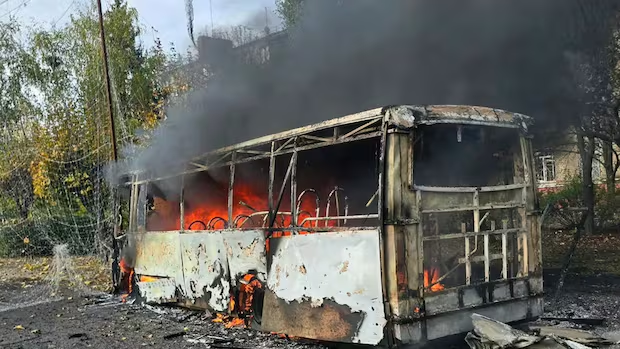
Zelenskyy Accuses Moscow of Breaching Trump-Announced Energy Truce; Kremlin Demands Comprehensive Peace Deal Click to expand the full report Collapse full report
Ukrainian President Volodymyr Zelenskyy stated on Monday that Russia had already violated the "energy ceasefire" declared by US President Donald Trump, urging Washington to enforce compliance. While Trump’s social media post claimed an immediate halt to attacks on energy infrastructure, Kyiv reported strikes on six facilities and 33 injuries across Ukraine. The Kremlin rejected a proposed 60-day pause for elections, insisting instead on a long-term peace agreement, as European allies expressed skepticism about Moscow’s intentions amid rising tensions over a new US-Russia diesel trade deal.
Speaking via video link to a security conference in Warsaw, Zelenskyy confirmed that Russian forces had breached the terms of the purported truce announced by Trump just days prior. "There were Russian violations of the energy ceasefire announced by President Trump," he said, noting that he learned of the agreement through media reports rather than diplomatic channels. "We are waiting for the details of the conditions between the Americans and Russians, and we are waiting to see one specific step the Americans are ready to take." He emphasized that the initiative could serve as "a major step toward ending the war" only if the US actively ensured Russian adherence. The violation claims followed a brief social media post from Trump on Sunday declaring an immediate cessation of hostilities against energy sites, accompanied by the warning: "Do not break it!" This marked the second time Trump had asserted such an agreement; a similar claim made on September 14 yielded no tangible results. Meanwhile, Ukrainian officials detailed ongoing assaults, with Zelenskyy reporting attacks on six energy facilities nationwide that left 33 people wounded. The Kharkiv Regional Prosecutor’s Office noted strikes on infrastructure near the city, while daytime attacks on Kyiv injured two civilians and caused fires in residential districts including Darnytskyi and Solomianskyi due to falling debris. In response, the Kremlin dismissed the concept of a limited pause. Spokesperson Dmitry Peskov stated that contacts regarding the truce were continuing but clarified that Moscow sought a comprehensive peace settlement rather than a temporary ceasefire. "Both President Putin and officials at other levels have repeatedly stated that we do not want a ceasefire," Peskov said. "We want long-term peace and are prepared to do everything possible to achieve it." He also rejected Zelenskyy’s suggestion of a 60-day lull to allow for Ukrainian presidential elections. International reactions remained cautious. EU foreign policy chief Kaja Kallas welcomed the potential pause as winter approached but expressed doubt regarding Moscow’s willingness to comply. "Personally, I would also welcome that the ceasefire would include people not being killed, not only energy," she remarked during a meeting of foreign ministers in Luxembourg. Canadian Prime Minister Mark Carney conveyed "strong support" for the truce to Trump but warned Zelenskyy that the concurrent US-Russia diesel purchase agreement was "in direct opposition" to aiding Ukraine, arguing it would financially bolster the Kremlin’s war effort. Tensions were further exacerbated by Trump’s Friday announcement of a deal to import Russian diesel, aimed at lowering US fuel prices ahead of midterm elections. Several EU ministers criticized the move, suggesting it was politically motivated and unlikely to reduce costs, while describing it as a lifeline for Russia’s military operations. On the battlefield, Ukrainian air defenses intercepted 89 of 121 incoming drones overnight, including 76 jet-powered Shaheds and one Kh-59 missile. Strikes affected 15 locations, damaging critical gas production equipment at state-owned Naftogaz facilities in Kharkiv. Conversely, the Russian Defense Ministry reported downing 151 Ukrainian drones over its territory and Crimea, and conducting strikes on port infrastructure and a cargo vessel bound for Odesa.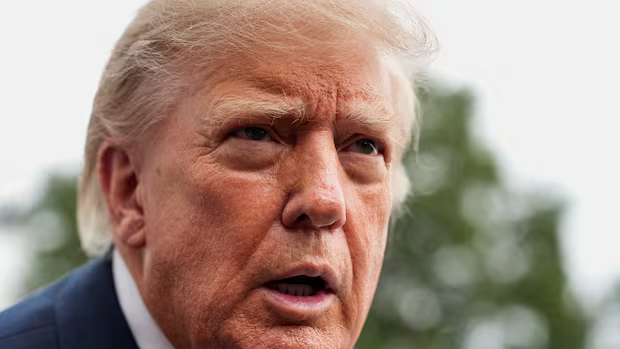
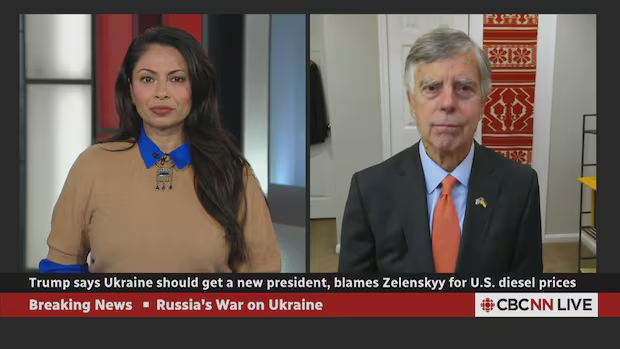
Watch: What could Trump’s energy ceasefire mean for Ukraine? Click to expand the full report Collapse full report
The BBC's Dan Johnson reports from Kyiv, where Ukrainians face another winter with electricity outages.
Zelenskyy threatens response as Russian attacks on Ukraine’s energy system continue Click to expand the full report Collapse full report
Volodymyr Zelenskyy said Ukraine would retaliate if Russia keeps striking its power network, while questioning Donald Trump’s announcement of an immediate energy ceasefire that Kyiv says had not been agreed. The dispute comes as European leaders back Ukraine and Washington pressures Kyiv over attacks on Russian oil infrastructure.
Ukrainian president Volodymyr Zelenskyy said on Monday that Kyiv would answer continued Russian attacks on Ukraine’s electricity system, warning that the absence of an energy ceasefire this winter would bring retaliation. Addressing European security officials in Warsaw, Zelenskyy said: “If Russia does not agree to an energy ceasefire this winter, we will respond.” His remarks came as European governments expressed support for Ukraine during an escalating dispute with Donald Trump over Ukrainian strikes on Russian oil refineries. Trump had announced on Sunday that an “energy ceasefire” between Russia and Ukraine was “effective immediately”. Zelenskyy said, however, that neither Kyiv nor Moscow had agreed to such an arrangement. He said on Monday that he had been “surprised” by Trump’s post, which appeared while Russian Shahed drones were attacking Kyiv. Hours later, Russia carried out what Zelenskyy described as a “targeted attack” on a power station in Kharkiv, while large parts of Kyiv lost electricity. “It’s clear that Putin does not read Truth Social,” Zelenskyy said. According to Zelenskyy, Russian strikes hit six energy facilities on Monday and injured 33 people. He said the attacks increasingly suggested that Moscow did not intend to accept the US-proposed energy ceasefire and planned to continue air attacks on Ukrainian communities. Zelenskyy also said Ukraine’s recent counter-strikes against datacentres operated by the Russian technology company Yandex appeared to have reduced bot activity targeting audiences in Europe and the US. He said social platforms had subsequently seen less hate, division and provocation. The Kremlin declined on Monday to say whether it accepted Trump’s Truth Social declaration of an immediate ceasefire. Moscow also rejected Zelenskyy’s proposal for a 60-day halt to Russian bombing that would allow Ukraine to hold a presidential election, saying an overall peace agreement should come first. For the Kremlin, such a settlement would require Kyiv’s capitulation. The latest tensions between Washington and Kyiv began on Friday, when Trump said sanctions on Russian diesel exports would be lifted. He argued that the decision would help lower fuel prices in the US and internationally ahead of next month’s US midterm elections. Politicians from both the Republican and Democratic parties criticised the decision, saying it conflicted with a US law barring Russian energy imports. Trump defended the move on Monday, writing: “I made the right choice for the American People – ALWAYS, AMERICA FIRST!” Zelenskyy had earlier condemned the sanctions decision as “weak”, arguing that it would provide Putin with “billions” in additional revenue and allow Russia to prosecute the war “even more intensely”. Trump, in turn, said Zelenskyy should “damn well stop” attacking Russian refineries and declared on Saturday that Ukraine needed a “new leader”. Ukraine says it is prepared to negotiate an energy ceasefire to ease pressure on its electricity network before winter. European leaders have supported Kyiv in the dispute with Washington and have blamed Russia for continued attacks on energy infrastructure in both countries. EU foreign policy chief Kaja Kallas told European foreign ministers on Monday: “We welcome the energy ceasefire when it holds.” She added: “We haven’t yet seen that also Russia will stick to it.” Officials from the Baltic states also criticised the US decision to remove sanctions on Russian diesel imports, which had formed part of the measures imposed after Putin launched the full-scale invasion of Ukraine in 2022. Lithuanian foreign minister Keʂtutis Budrys said the move did not address the oil-products crisis and weakened transatlantic unity over Russia. He argued that Europe’s preferred course was to increase pressure on Moscow because that approach had already shown results. Russia has intensified attacks on Ukrainian infrastructure ahead of the colder winter period, deploying jet-powered drones and ballistic missiles. The campaign has produced electricity outages and water shortages much earlier in the season than had become typical during the war. Trump’s proposal called for both Ukraine and Russia to stop attacks on oil refineries, but Kallas said such terms would favour Russia because it possesses far more refineries. Trump has attributed high diesel prices to Ukrainian attacks on Russian energy facilities rather than to the disruption in global energy markets caused by the US war in Iran and the subsequent closure of the strait of Hormuz. The Financial Times reported that Washington had threatened to suspend the procurement system through which European allies pay for weapons supplied to Ukraine. The White House has also said it could end intelligence sharing if Kyiv does not halt long-range attacks on Russian oil refineries. The Kyiv Independent reported that Ukraine’s commander in chief, Mykhailo Drapatyi, received a US call instructing him to stop the bombing campaign. An unnamed Ukrainian official told the newspaper: “They called all the top military officials with threats.” Ben Hodges, the former commander of US forces in Europe, dismissed the supposed energy ceasefire as a fantasy and described it as “a classic ‘Trumpian’ announcement of something not based on any facts.” Hodges said that “no one should be misled” and argued that Russia “never adheres to any agreements unless forced to do so”. He urged Ukraine’s armed forces to disregard Trump’s demand and intensify strikes on Russian oil and gas facilities, saying the political pressure itself indicated that the attacks were having a substantial effect.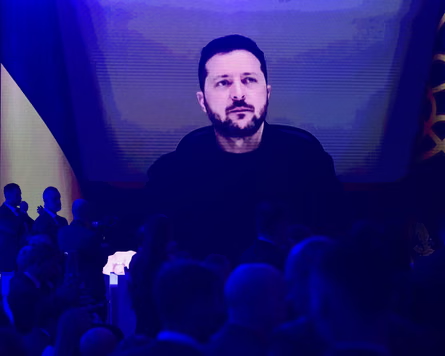
Moscow Rejects Energy Truce as Strikes Hit Infrastructure and Western Officials Weigh Response Click to expand the full report Collapse full report
Ukrainian leader Volodymyr Zelenskyy highlighted Russia's rejection of a proposed energy cessation following multiple facility strikes, while Kremlin representatives expressed a preference for long-term solutions over temporary pauses. Concurrently, Western leadership and alliance commanders addressed security architectures, diplomatic approaches, and European safety concerns.
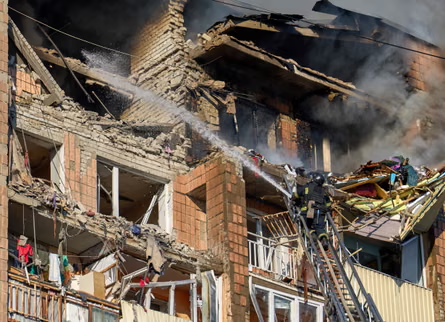
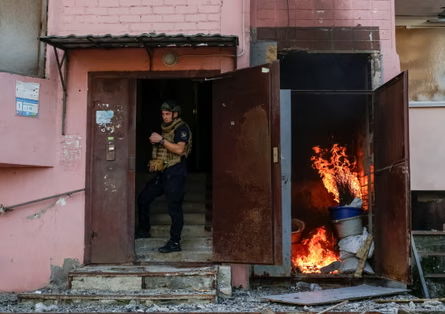
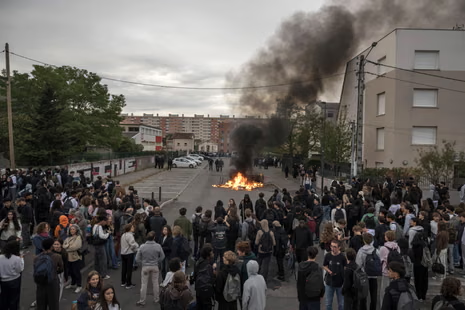
Ukrainian President Volodymyr Zelenskyy stated that it was becoming increasingly apparent that Moscow has no intention of embracing a US-backed pause on energy-related assaults, following Monday strikes that targeted six energy facilities across the country. In a statement on social media, Zelenskyy argued that such actions occur whenever Russia anticipates expanded capital flows for its military operations. Meanwhile, Kremlin spokesperson Dmitry Peskov conveyed that Moscow declines temporary truces in favor of enduring peace agreements, though he noted a potential willingness to order a single-day halt specifically on an election day if Kyiv proceeds with a vote. This followed previous discussions regarding a proposed 60-day total ceasefire intended to facilitate Ukrainian presidential elections. German Chancellor Friedrich Merz declared that Berlin and Europe would completely reject the temporary easing of US sanctions on Russian diesel announced by President Donald Trump, asserting that Moscow will only engage in serious negotiations under continuous pressure. In Poland, Nato's supreme allied commander for Europe, Gen Alexus Grynkewich, told the Warsaw Security Forum that allies must clearly define their red lines regarding European sabotage and prepare a definitive defense to ensure any attack against a member proves futile. German domestic intelligence chief Sina Sellen of the BfV warned that Russian hybrid threats and orchestrated attacks will persist regardless of the war's outcome, driven by broader geopolitical ambitions. On the ground, Monday drone operations by Russia struck various targets, including three cargo vessels utilized for military shipments toward Black Sea ports, according to the Russian defense ministry. Local authorities reported that a cluster munitions strike on a residence near Kramatorsk resulted in three fatalities, including a 13-year-old girl, which Donetsk regional military administration head Vadym Filashkin termed a deliberate attempt to maximize civilian casualties. Additional strikes in Kharkiv caused three deaths and numerous injuries at a grocery store, while local reports noted a drone attack in the Belgorod border region village of Kupino. Diplomatically, EU foreign policy chief Kaja Kallas emphasized during a Luxembourg ministerial gathering that maintaining pressure remains the fastest path to concluding the conflict, adding that member states support barring entry to Russians who fought in Ukraine while technical implementation details are finalized. In a step expected to advance its European Union aspirations, Ukraine's parliament passed legislation protecting national minorities, which President Zelenskyy subsequently signed into law after discussions with Budapest over rights protections for the Hungarian minority. Concurrently, France faced continued student demonstrations concerning educational funding and system neglect—generating tens of millions of euros in estimated property damage—alongside an unprecedented cyber-attack that triggered the remote defrosting and shutdown of refrigeration units across numerous Cooperative U and Intermarche supermarkets.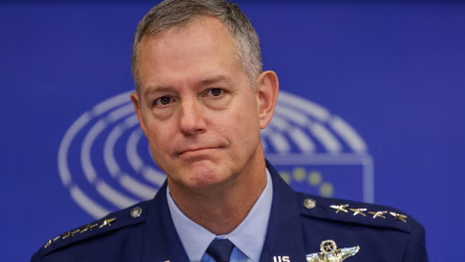
Sirens stayed silent as ballistic missiles hit Kyiv; Zelenskyy says partners sent no warning — and Trump’s Moscow fuel deals raise the stakes Click to expand the full report Collapse full report
Ukraine's president says his country's partners provided no advance intelligence before a ballistic missile barrage struck Kyiv on Monday night, hitting what he called civilian infrastructure. The warning failure surfaces as Donald Trump pushes an 'energy ceasefire' and a Russian diesel import deal — moves that appear to ratchet up pressure on Kyiv to lay off Moscow's refineries.
The blasts over Kyiv on Monday night were their own air-raid warning. Five ballistic missiles slammed into the capital, striking what President Volodymyr Zelenskyy described as civilian infrastructure — and, he says, Ukraine's partners passed along no intelligence that an attack was incoming. Explosions began ringing out shortly after 10 p.m. local time, yet at that point no air-raid alert flagging a ballistic missile launch had been sounded, leaving residents with no notice beyond the blasts themselves. “Intelligence data about the launch of ballistic missiles helps save lives and this is one of the most critical issues,” Zelenskyy wrote in a social media post on Tuesday morning. He held back from directly accusing the United States of sitting on information. Even so, several news organizations — the Financial Times and CNN among them — have reported that U.S. officials have threatened to cut off intelligence-sharing and weapons sales to Ukraine if Kyiv refuses to halt its deep strikes on Russian energy infrastructure. Ukraine’s foreign minister, Andrii Sybiha, moved to quiet the alarm while attending the Warsaw Security Forum in Poland. Kyiv, he said, was still receiving intelligence from the United States; the lag in Monday’s warning, he argued, was tied to Russia’s use of a “special type of weaponry,” not to any deliberate withholding of information. Friction of this kind is not new. In March 2025, Washington briefly froze intelligence flows to Ukraine in the days after the tense, televised Oval Office encounter between U.S. President Donald Trump and Zelenskyy. The two leaders met again at the United Nations General Assembly in New York on Sept. 22, and their dealings have stayed rocky, with Trump repeatedly accusing Ukraine of prolonging the war. His latest threats land as he weathers growing political pressure at home over surging fuel prices — and as he publicly argues that Ukraine should get a new president and blames Zelenskyy for U.S. diesel costs. Oleksandr Kraiev, an international relations expert at Ukrainian Prism, a Kyiv-based think-tank, said Washington’s current posture amounts to threats — but he cautioned that Trump’s unpredictability means Ukraine must be ready for the possibility they are carried out. “When you are being played by a cynical leader, you have to become cynical yourself,” Kraiev told CBC News in a phone interview from Kyiv. “We have to play the game with them … but we should always be relying on ourselves and on our European allies more than on our American allies.” Even so, he argued, Kyiv cannot abandon diplomacy with Washington and simply wait for the “hot heads” to cool down. European countries are increasing their deliveries of weapons and ammunition, and Ukraine has been broadening its partnerships — including a 100-year pact with Canada built on drones and defence — yet the country remains heavily dependent on the United States. “The Americans provide less than 15 per cent of all of our munitions and all of our armaments, but this 15 per cent cannot be duplicated anywhere else,” Kraiev said, pointing to Lockheed Martin’s PAC-3 air defence interceptor as an example. American satellite imagery is a second asset Europe cannot easily replicate, analysts say — imagery that helps Kyiv plan attacks and defend against Russian strikes. Robert Tollast, a research fellow in land warfare at the Royal United Services Institute, said U.S. spy satellites allow Ukraine to identify targets in occupied areas of eastern Ukraine, particularly those more than 80 kilometres from the front line. “If Ukraine loses access to this, it would complicate their targeting efforts,” he said. The missile attack on the capital came a single day after Trump took to social media to appear to declare an “energy ceasefire” — a proclamation that caught Kyiv and its European allies off guard. Zelenskyy said he had not been aware of any agreement, though he indicated Ukraine would support it if Moscow did the same. The two leaders had previously discussed the potential for an energy truce in the face of a new wave of strikes on infrastructure. By Monday, however, no such truce was in place. The Kremlin declined to comment on the apparent arrangement, and Zelenskyy said Monday evening that Russia had struck six energy facilities in Ukraine — hours after Trump’s claim. Zelenskyy has also said Russia is violating the declared ceasefire, while asserting that Ukraine has not struck any Russian energy facility since Trump’s latest announcement. It was the second time in less than a month that Trump had claimed the two countries had agreed to stop attacking each other’s energy infrastructure; neither announcement appeared to produce a sustained halt. The Kremlin says contacts over the proposed ceasefire are continuing, and its Defence Ministry, in a Tuesday summary of overnight strikes on Ukraine, made no mention of attacks on Ukrainian energy facilities. If the energy ceasefire caught Ukraine unprepared, Trump’s Friday declaration that the United States would begin importing Russian diesel — announced after he spoke with Putin — was seen by some as outright betrayal, and a sharp reversal of U.S. policy. The shift was especially jarring because less than a month had passed since Trump signed a sweeping sanctions package into law, one that would direct him to impose hefty tariffs on major importers of Russian oil and gas. Lawmakers and experts are now questioning whether Washington’s proposed deal with Moscow is even legal. Fuel prices, diesel included, have surged in recent months, squeezed by the blockage in the Strait of Hormuz and by Ukraine’s attacks on Russia’s refineries. Trump has pinned the diesel spike on Kyiv’s refinery campaign: prices have climbed 70 per cent since the U.S.-Israeli war with Iran began in February, disrupting shipping traffic through the strait. The campaign has reached into Russia’s heartland — black smoke was seen rising from Gazprom Neft’s Moscow oil refinery, on the city’s southeastern outskirts, on June 18. “Trump is deflecting blame for high energy prices and the price at the pump onto Zelenskyy,” said Timothy Ash, an associate fellow in the Russia and Eurasia program at Chatham House. “His war on Iran is the main reason why energy prices are higher.” Speaking to CBC News, Ash said he believes the diesel deal reflects a desire to return to “business as normal” and pursue commercial arrangements with Moscow. Energy analysts doubt the agreement will do much to U.S. prices, partly because sustained Ukrainian attacks on Russia’s energy infrastructure constrain Moscow’s ability to supply extra fuel — Kyiv claims it has destroyed about half of Russia’s refining capacity. Trump has said Russia will immediately export more than 300,000 metric tonnes of diesel to the United States and global markets, which works out to about 2.25 million barrels — short of the nearly three million barrels of diesel the United States consumes each day, according to government data. “It’s a perfectly Trumpian deal. It’s very short on details, and yet it’s announced and being sold very, very loudly,” said Tamas Varga, a London-based analyst with PVM Oil Associates. “It looks like the whole deal is not going to have a significant impact on mitigating the rise in retail diesel prices in the U.S.” For Ukraine, the diesel accord stands as one more example of Trump’s transactional foreign policy, further wearing down whatever trust Ukrainians may still have that Washington can steer negotiations and help secure a peace that actually works. This report was filed by Briar Stewart, a CBC correspondent based in London who, over nearly two decades with the network, has reported across Canada and internationally. She can be reached at briar.stewart@cbc.ca or on X @briarstewart.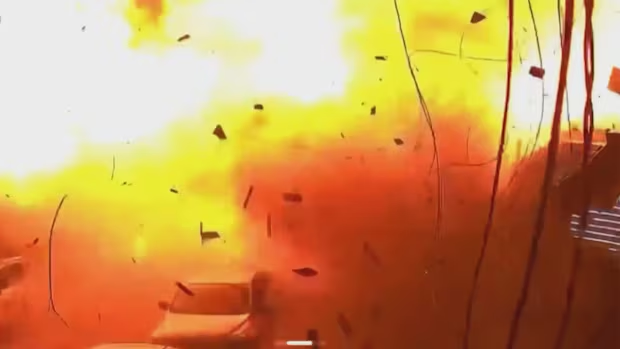
Six Ukrainian energy sites hit by Russia since Trump announced ceasefire, Zelensky says Click to expand the full report Collapse full report
Despite the US president announcing energy infrastructure would not be targeted strikes have continued, Ukraine says.
Russia struck six Ukrainian energy facilities hours after US President Donald Trump announced the two countries had agreed to an energy ceasefire, Volodymyr Zelensky has said. Despite Trump stating on Sunday the truce would be "effective immediately", the Ukrainian president said Russia had hit "our gas stations, energy infrastructure, and other facilities". There were blackouts in the city of Izyum after a Russian strike destroyed power grids, Ukraine's state news agency Ukrinform said, while energy and railway infrastructure in western Ukraine was also targeted overnight. On Monday, Russia's Foreign Minister Sergei Lavrov said Ukraine does not deserve the "respite" a ceasefire would bring. Zelensky said 33 people had been injured in the strikes on energy facilities across the country. He told Fox News: "We did not attack, while Russia attacked our gas stations, energy infrastructure, and other facilities." "I think it was Putin's answer to President Trump," he added. Global conflicts have pushed fuel prices higher ahead of the US midterm elections and on Friday Trump announced a plan to import Russian diesel into the US on Friday. On Monday, Ukraine's state-owned grid operator Ukrenergo reported "new power cuts" in Kharkiv, Donetsk and Zaporizhzhia due to damage caused to energy equipment by Russian attacks. Electricity rationing has been introduced in parts of Ukraine to avoid overloading damaged equipment, Ukrenergo said. Zelensky said on X the strikes were proof Russia was "unwilling to accept an energy ceasefire". On Monday evening, Kyiv's mayor Vitali Klitschko posted on Telegram that a drone hit a 25-story residential building in the Darnytskyi district. Several cars in the building's courtyard were also on fire, he said, with one person dead and 11 injured. When Trump first announced the ceasefire on Sunday , Zelensky said it was "news to him" that a truce was in effect, but he backed the proposed ceasefire as a "major step toward ending the war, if the Americans truly step in now and make sure Russians respect the energy ceasefire". Asked about the ceasefire on Monday, Trump said they agreed "because I said you agree", adding that the war "has to get settled". "That war is a disaster if you see the numbers," he said. For months, Ukraine and Russia have been exchanging strikes on energy infrastructure , disrupting energy supplies on both sides. Moscow has said the installations it hits are legitimate targets as they support Ukraine's military operation, while Zelensky has characterised Ukrainian attacks deep inside Russian territory as part of an effort to "reduce Russia's ability to finance the war". Analysis by BBC Verify on both Ukrainian and Russian strikes during the war have found both sides have increased their attacks in the lead up to the next winter. In 2026, BBC Verify has recorded 273 strikes on Russian-controlled oil and gas facilities, more than double the 124 recorded over the same period in 2025. Separately, analysis of data aggregated by global conflict monitor, the Armed Conflict Location and Event Data project (Acled), recorded 2.4 times as many reported Russian attacks affecting Ukraine's energy network so far this year. Trump has been urging Ukraine to stop strikes on Russian oil infrastructure, so Russia can fulfil the recently struck deal to release diesel to the US and the global market. The deal temporarily undoes US sanctions on energy imports, which Zelensky described as a "gift" to Russian President Vladimir Putin. UK Prime Minister Andy Burnham said Britain "strongly supports President Trump's call today for a sustained energy ceasefire to start now", while France, Canada and the EU also expressed support. However, there has been a mixed response among European officials. EU foreign policy chief Kaja Kallas said the bloc would welcome an energy ceasefire "when it holds". Kallas said at a meeting of EU foreign ministers on Monday: "We haven't yet seen that also Russia will stick to it." Meanwhile, Estonia's foreign minister said the ceasefire was "not working". Additional reporting by Benedict Garman, BBC VerifySix Republican senators join Democrats in letter demanding Trump cancel Russian diesel arrangement Click to expand the full report Collapse full report
Twelve senators, half of them Republicans, urged President Donald Trump on Tuesday to rescind a Russian diesel oil deal, saying it helps finance Moscow's war in Ukraine and does not benefit Americans, as his administration approaches an Oct. 18 deadline to decide whether to formally impose new sanctions.
Twelve members of the U.S. Senate - six of them Republicans - sent President Donald Trump a letter on Tuesday asking him to rescind his diesel oil deal with Russia. The senators said the agreement gives Russian President Vladimir Putin's government more fuel to finance its war in Ukraine and will not benefit Americans. The request comes days before the administration must decide whether to formally impose new sanctions on Moscow over its war in Ukraine. The letter added to a wave of congressional criticism after Trump announced the deal on Friday. It also marked a shift from Republicans' near-unanimous support for Trump's foreign policy decisions, weeks before Nov. 3 midterm elections that will determine whether the party retains control of Congress. Trump said Friday he was lifting sanctions on Russian diesel exports and that Moscow would immediately supply more than 300,000 metric tons, or 2.25 million barrels, of diesel to U.S. and global markets. Although Trump said he wanted to reduce prices, the amount he referenced is less than a day's supply for the U.S. transport sector alone, according to U.S. Energy Information Administration data, which show daily use of around 2.94 million barrels per day. In the letter, the senators wrote: 'Granting Moscow the ability to sell Russian diesel freely in global markets damages American security interests and is a betrayal of the people of Ukraine, who continue to defend themselves from Putin's murderous, illegal war.' They also said: 'This deal is a gift to our adversary and a betrayal of our Allies; it should be rescinded.' The Republicans who signed were Mitch McConnell of Kentucky, Thom Tillis of North Carolina, Susan Collins of Maine, Alan Armstrong of Oklahoma, Lisa Murkowski of Alaska and John Cornyn of Texas. The Democratic signers were Richard Blumenthal of Connecticut, Jeanne Shaheen of New Hampshire, Richard Durbin of Illinois, Sheldon Whitehouse of Rhode Island, Jack Reed of Rhode Island and Chris Coons of Connecticut. The senators' push came as Trump reversed course on Russian oil sanctions. Under a law Trump signed last month, he faces an Oct. 18 deadline to impose sweeping new sanctions and tariffs on Russian energy over the Ukraine war, or to waive them because he has determined that doing so is in the national interest. The letter urged Trump to execute the sanctions authorities included in the new law, called the 'Lindsey O. Graham Sanctioning Russia and Iran Act of 2026,' in honour of the late senator - a Russia hawk and close Trump ally who died in July. The administration has not yet told lawmakers whether it would impose the sanctions or issue a waiver. Collins, Murkowski and Tillis had joined Democrats in a joint statement on Sunday calling on Trump to 'reverse course' on the deal, saying it runs counter to U.S. law barring imports of energy until Russia ends its aggression against Ukraine. On Monday, a Reuters photograph by Sofiia Gatilova showed a man standing near a building in Kharkiv, Ukraine, that was struck by a Russian jet-powered drone. Earlier on Tuesday, Trump was asked whether anyone had told him Russia could use proceeds of the diesel deal to purchase more bombs. He responded, 'No, nobody told me anything,' and added that the deal benefited not just the U.S. but the world. Russian Deputy Prime Minister Alexander Novak said on Monday that Russia will be able to return diesel exports to levels above those Trump had outlined under the deal. Russia launched its full-scale invasion of Ukraine in February 2022, and the two countries have been in a state of all-out war ever since. The report was compiled with files from CBC News.US Envoy Steve Witkoff Heads to St Petersburg for Putin Talks Following Oslo Diplomacy Click to expand the full report Collapse full report
US special envoy Steve Witkoff has traveled to Russia to discuss peace proposals with President Vladimir Putin, coming on the heels of productive meetings in Oslo where officials reported genuine progress.
US special envoy Steve Witkoff has arrived in St Petersburg to meet with Russian President Vladimir Putin regarding potential proposals to resolve the protracted conflict in Ukraine. The visit follows discussions in Oslo between Witkoff and Ukrainian President Volodymyr Zelensky, which a US official characterized as constructive. While Kyiv previously criticized Washington for withholding essential intelligence—a characterization Washington dismissed as scandalous—Zelensky stated on Tuesday that US-Ukrainian intelligence sharing concerning Russian missile strikes is now functioning. Zelensky emphasized the critical nature of early warnings for civilians and children, while also expressing hope for a resolution regarding speed restrictions on SpaceX's Starlink satellite network used by Ukrainian forces. Following the Oslo sessions, where Jared Kushner participated via video link and Finnish President Alexander Stubb reported genuine progress alongside warnings that patience will be required, participants agreed the ball is now in Moscow's court. Norwegian Prime Minister Jonas Gahr Støre further emphasized that Europe must maintain a seat at the table during any peace negotiations. President Putin has yet to issue public remarks on these latest diplomatic efforts, though Foreign Minister Sergei Lavrov previously indicated Moscow would listen to Witkoff's proposals while dismissing any potential political concessions. Meanwhile, US President Donald Trump reiterated his desire for Kyiv to make a deal and end the war, while also attributing rising fuel prices to Ukrainian strikes on Russian oil refineries ahead of upcoming midterm elections. US Vice President JD Vance noted in a recent interview that the US views Ukraine as a partner with some divergent interests rather than a formal NATO ally. The diplomatic push occurs against a backdrop of ongoing violence. Ukrainian authorities reported at least ten fatalities on Tuesday across Kyiv, the Donetsk region, and Dnipro from Russian attacks, with two additional deaths reported overnight near Kharkiv. Concurrently, US Secretary of State Marco Rubio, visiting India, addressed questions regarding Patriot interceptor missiles, acknowledging they may not have arrived yet while denying any intentional withholding. European leaders, including German Chancellor Friedrich Merz, continue to stress the necessity of a unified transatlantic approach to resolving the conflict.