Reform UK
British political party founded in 2018 as the Brexit Party and renamed Reform UK in 2021, led by Nigel Farage since June 2024.
Also known as: Reform · Reform Party · Brexit Party
Reform UK is a political party in the United Kingdom. It was founded in 2018 by Nigel Farage and Catherine Blaiklock as the Brexit Party, initially campaigning for a no-deal departure from the European Union.
The Brexit Party won the largest number of UK seats in the 2019 European Parliament election. After the United Kingdom left the European Union in January 2020, the party broadened its political focus and was renamed Reform UK in January 2021.
Nigel Farage led the party from 2019 until March 2021, when Richard Tice succeeded him. Farage returned as leader on 3 June 2024. Research sources describe Reform UK as a right-wing populist party positioned to the right of the Conservative Party, with policies including lower taxation and tighter immigration controls.
The party has representation in several UK legislatures and local authorities. In the news context supplied here, Reform UK said it had reported ITV, members of its board and undercover journalists to the police over an investigation into racism within the party. Reform UK alleged that laws had been broken and said some members had been psychologically harmed; ITV stood by its journalism.
Related translated reports
Reform UK Reports ITV to Police Over Racism Exposé as Government Approves Jackdaw Gas Field
The UK government has approved the controversial Jackdaw gas field in the North Sea, a move condemned by environmental groups and criticized for its limited impact on energy bills. Simultaneously, Reform UK has reported ITV journalists to the police, alleging that undercover filming for a racism exposé broke the law and caused psychological harm to members. The broadcaster stands by its journalism, citing public interest defenses.
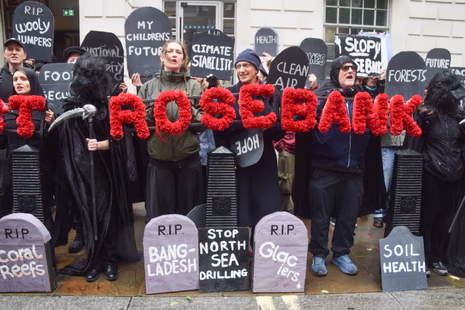
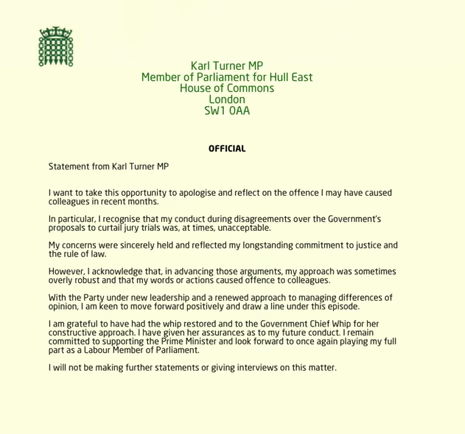
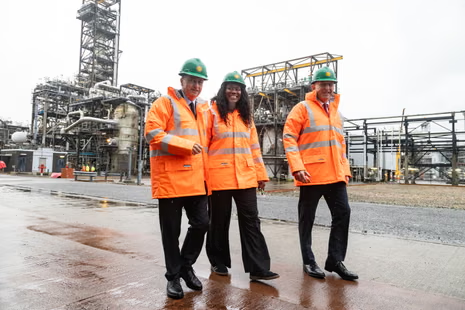
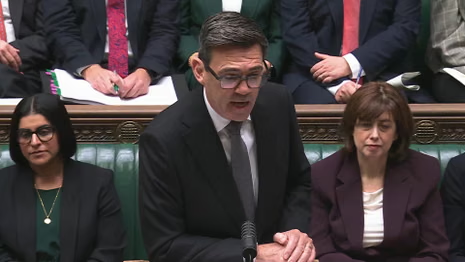
In a significant development for UK energy policy, the government has granted approval for the Jackdaw gas field, despite fierce opposition from climate campaigners who argue the project fails to address the cost-of-living crisis or enhance energy security. Ami McCarthy of Greenpeace UK described the decision as evidence of the "toxic grip" fossil fuel lobbyists hold over policy, noting that Jackdaw will supply only about 2% of UK gas demand for roughly ten years and create just 27 full-time jobs. Robin Wells of Fossil Free London echoed these sentiments outside the Department for Energy Security and Net Zero, linking the approval to global climate disasters such as floods in Nepal and Valencia, and urging the government to reject the pending Rosebank oilfield. Concurrently, a political storm has erupted between Reform UK and broadcasters. Zia Yusuf, Reform’s home affairs spokesperson, announced that the party has reported ITV, its board, and specific journalists to the police. Yusuf alleges that undercover reporters involved in the program *Undercover: A Year In Reform* committed crimes carrying up to 10 years in prison, including forging passports and interfering in local elections. He claimed that one reporter lied to a military veteran about sharing a combat background to gain trust, leaving the serviceman feeling "violated." Yusuf also asserted that leafleting activities in Portsmouth wards where Reform lost by narrow margins constituted electoral interference, though he provided no evidence of suppressed votes. ITV responded firmly, stating it stands by its journalism and that the production complied with the Ofcom Broadcasting Code and relevant laws. A spokesperson noted that if contacted, they would cooperate fully with police. Legal experts suggest that while allegations of minor law-breaking can be complex, criminal prosecution against legitimate investigative journalism is rare, particularly when a strong public interest defense exists. Reform UK has acknowledged that some individuals exposed in the documentary made racist comments but argued they were not representative of the wider membership. On the domestic political front, Cabinet tensions have surfaced regarding immigration policy. Energy Secretary Miatta Fahnbulleh refused to explicitly endorse Home Secretary Shabana Mahmood’s proposal to extend the waiting period for indefinite leave to remain (ILR) for foreign workers to 15 years. Downing Street later clarified that Fahnbulleh supports the reforms generally but was awaiting consultation results. Green MP Siân Berry welcomed Fahnbulleh’s hesitation, urging her to oppose the broader asylum bill which she characterized as "Reform-inspired" and harmful to refugees. Parliamentary proceedings saw Speaker Lindsay Hoyle criticize the government for announcing the Jackdaw decision to the media before informing MPs, calling it an "immense discourtesy" and "shameful." During Prime Minister's Questions, Andy Burnham defended the Jackdaw approval against attacks from Conservative leader Kemi Badenoch, blaming the previous administration for mishandling the initial legal challenges. Burnham also seized the initiative by teasing potential changes to gas standing charges, signaling moves to ease household costs ahead of the upcoming Budget. Other notable developments include the publication of Sir David Bell’s review on antisemitism in schools, with Education Secretary Lucy Powell committing to implement recommendations such as specialized training for leaders. Meanwhile, Labour MP Karl Turner had the party whip restored after apologizing for unacceptable behavior toward colleagues, and the Department for Education appointed Simon Ridley as its new permanent secretary, replacing Susan Acland-Hood.