Nord Stream pipeline sabotage
A series of underwater explosions on 26 September 2022 that damaged three of the four Nord Stream natural gas pipelines beneath the Baltic Sea, disrupting infrastructure designed to transport gas from Russia to Germany.
Also known as: Nord Stream sabotage · 2022 Nord Stream pipeline explosions
Overview
The Nord Stream pipeline sabotage refers to underwater explosions and subsequent gas leaks on 26 September 2022 that rendered three of the four pipes in the Nord Stream 1 and Nord Stream 2 networks inoperable. The pipelines run beneath the Baltic Sea from Russia to Germany and are majority owned by Gazprom, a Russian state-controlled gas company.
Background
Nord Stream 1 had transported natural gas to Europe since 2011. Nord Stream 2 was completed in September 2021 but never entered service, as Germany suspended its certification process in February 2022 following Russia's recognition of separatist territories in eastern Ukraine. By the time of the explosions, Nord Stream 1 gas deliveries had been suspended indefinitely.
Investigations and legal proceedings
Denmark, Germany and Sweden opened separate investigations into the explosions, which they described as sabotage. The Swedish and Danish investigations were closed in February 2024 without identifying those responsible, according to the supplied research. The incident became the subject of continuing legal proceedings.
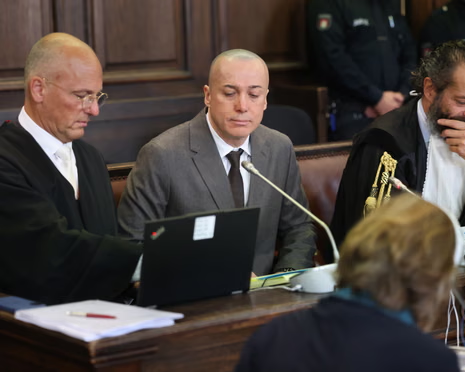
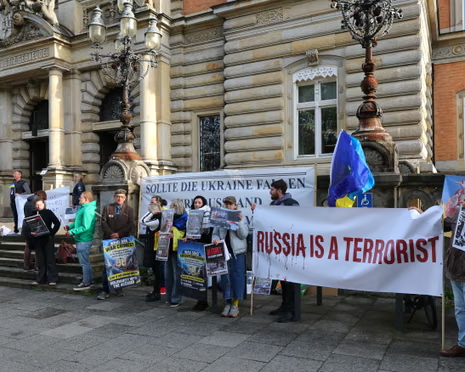
In Hamburg, former Ukrainian army officer Serhii Kuznetsov stood trial on charges connected to the pipeline damage. His defence lawyers sought dismissal of the charges, arguing that the pipelines constituted Russian infrastructure that could be considered a legitimate military target. These arguments were presented by the defence and do not establish a judicial finding on the legality of the attack.
Significance
The sabotage damaged major energy infrastructure linking Russia and Germany during the Russia–Ukraine war. It raised questions about the security of European energy supplies, responsibility for attacks on critical infrastructure, and the application of international law to such actions during armed conflict.
Related translated reports
European Union Finds No Signs of US Intelligence Halting as Continental Leaders Respond to Multi-Front Pressures
The European Commission stated on Wednesday that it has found no evidence that intelligence sharing with Ukraine has ceased, even as Russian attacks left 600,000 without power. Meanwhile, continental officials addressed defense readiness, foreign electoral interference, and upcoming technological and energy security challenges.
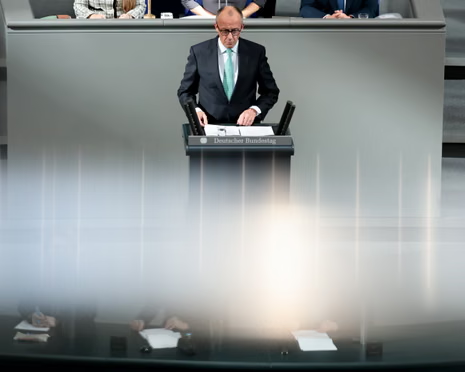
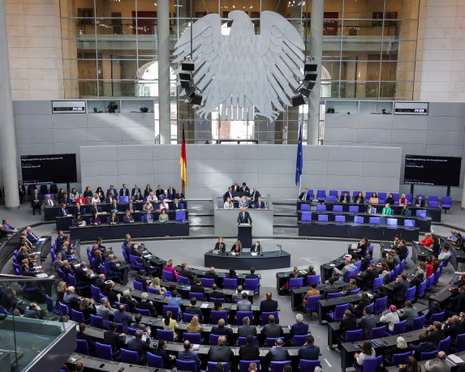
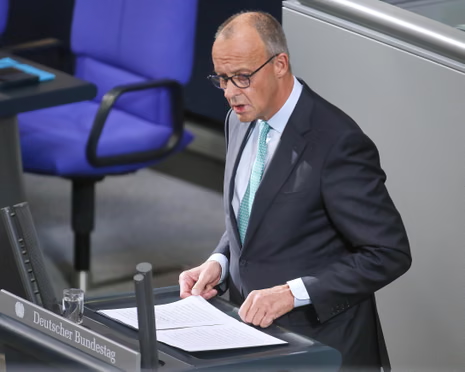
Addressing reporters in Brussels, European Commission chief spokesperson Paula Pinho confirmed that authorities have "no indication that intelligence sharing has stopped," though the executive body declined to comment on reported disruptions to Starlink satellite internet services utilized by Ukrainian forces. The updates come as Russian strikes have cut power to 600,000 people. In Germany, Chancellor Friedrich Merz warned the Bundestag that the nation faces a precarious era of crises beyond immediate control, emphasizing that support for Ukraine does not detract from domestic welfare. In Hamburg, the trial of a former Ukrainian army officer accused of sabotaging the Nord Stream pipelines began, with defense counsel arguing the infrastructure constituted a legitimate military target during wartime. Simultaneously, political tensions rose regarding digital platforms and foreign meddling. French Foreign Minister Jean-Noël Barrot criticized tech figure Elon Musk at an OECD conference for utilizing social media to orchestrate online harassment against European figures ahead of upcoming presidential elections. Diplomatic efforts also continued in the United Kingdom, where Prime Minister Andy Burnham prepared to host Ukrainian President Volodymyr Zelenskyy at Downing Street. The UK announced accelerated deliveries of lightweight multi-role missiles to counter drone threats, while Prime Minister Burnham stated his intention to bridge diplomatic gaps between Washington and Kyiv.