Russia–Ukraine energy ceasefire proposal (2026)
A United States-proposed arrangement aimed at halting strikes on energy infrastructure during the ongoing Russia–Ukraine war.
Also known as: US-proposed energy ceasefire · Energy ceasefire proposal
Overview
The Russia–Ukraine energy ceasefire proposal is a diplomatic initiative introduced by the United States to halt military strikes on energy infrastructure during the ongoing Russo-Ukrainian war. The initiative became a central focus of international discussion following statements by Ukrainian president Volodymyr Zelenskyy regarding strikes on Ukrainian energy facilities.
Context and Developments
The proposal followed a declaration by US president Donald Trump regarding a temporary cessation of energy-related strikes. Ukrainian president Volodymyr Zelenskyy subsequently stated that it was increasingly clear Russia was unwilling to accept the arrangement, pointing to subsequent Russian strikes on Ukrainian energy facilities. Meanwhile, the Kremlin rejected the concept of temporary ceasefires, with spokesperson Dmitry Peskov stating that Moscow preferred a long-term peace agreement instead.
Related translated reports
Moscow Rejects Energy Truce as Strikes Hit Infrastructure and Western Officials Weigh Response
Ukrainian leader Volodymyr Zelenskyy highlighted Russia's rejection of a proposed energy cessation following multiple facility strikes, while Kremlin representatives expressed a preference for long-term solutions over temporary pauses. Concurrently, Western leadership and alliance commanders addressed security architectures, diplomatic approaches, and European safety concerns.
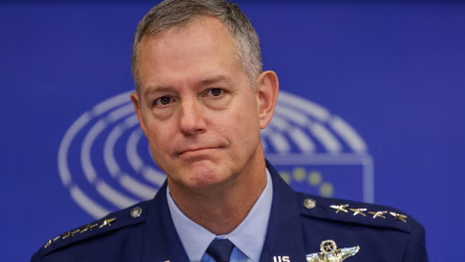
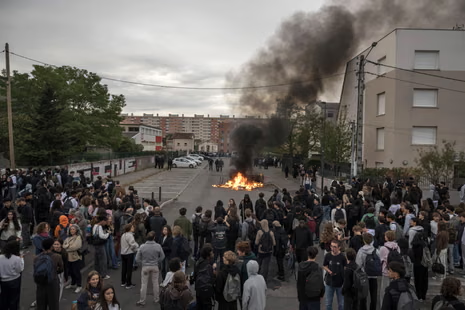
Ukrainian President Volodymyr Zelenskyy stated that it was becoming increasingly apparent that Moscow has no intention of embracing a US-backed pause on energy-related assaults, following Monday strikes that targeted six energy facilities across the country. In a statement on social media, Zelenskyy argued that such actions occur whenever Russia anticipates expanded capital flows for its military operations. Meanwhile, Kremlin spokesperson Dmitry Peskov conveyed that Moscow declines temporary truces in favor of enduring peace agreements, though he noted a potential willingness to order a single-day halt specifically on an election day if Kyiv proceeds with a vote. This followed previous discussions regarding a proposed 60-day total ceasefire intended to facilitate Ukrainian presidential elections. German Chancellor Friedrich Merz declared that Berlin and Europe would completely reject the temporary easing of US sanctions on Russian diesel announced by President Donald Trump, asserting that Moscow will only engage in serious negotiations under continuous pressure. In Poland, Nato's supreme allied commander for Europe, Gen Alexus Grynkewich, told the Warsaw Security Forum that allies must clearly define their red lines regarding European sabotage and prepare a definitive defense to ensure any attack against a member proves futile. German domestic intelligence chief Sina Sellen of the BfV warned that Russian hybrid threats and orchestrated attacks will persist regardless of the war's outcome, driven by broader geopolitical ambitions. On the ground, Monday drone operations by Russia struck various targets, including three cargo vessels utilized for military shipments toward Black Sea ports, according to the Russian defense ministry. Local authorities reported that a cluster munitions strike on a residence near Kramatorsk resulted in three fatalities, including a 13-year-old girl, which Donetsk regional military administration head Vadym Filashkin termed a deliberate attempt to maximize civilian casualties. Additional strikes in Kharkiv caused three deaths and numerous injuries at a grocery store, while local reports noted a drone attack in the Belgorod border region village of Kupino. Diplomatically, EU foreign policy chief Kaja Kallas emphasized during a Luxembourg ministerial gathering that maintaining pressure remains the fastest path to concluding the conflict, adding that member states support barring entry to Russians who fought in Ukraine while technical implementation details are finalized. In a step expected to advance its European Union aspirations, Ukraine's parliament passed legislation protecting national minorities, which President Zelenskyy subsequently signed into law after discussions with Budapest over rights protections for the Hungarian minority. Concurrently, France faced continued student demonstrations concerning educational funding and system neglect—generating tens of millions of euros in estimated property damage—alongside an unprecedented cyber-attack that triggered the remote defrosting and shutdown of refrigeration units across numerous Cooperative U and Intermarche supermarkets.