Aberfan disaster
The catastrophic 1966 collapse of a coal spoil tip above Aberfan, Wales, which killed 116 children and 28 adults and led to a tribunal blaming the National Coal Board.
Also known as: Trychineb Aberfan · Aberfan colliery spoil tip disaster
Overview
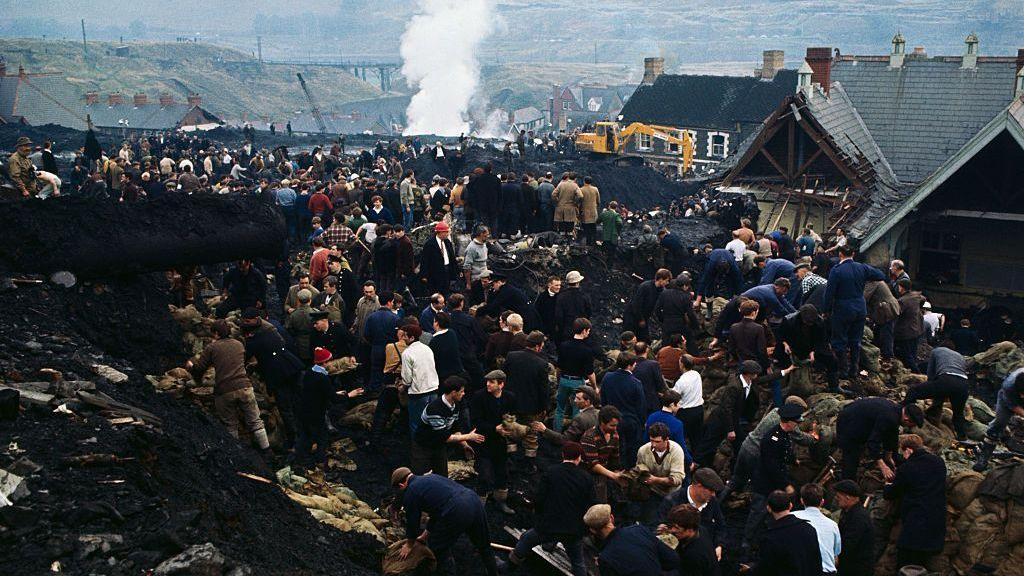
The Aberfan disaster (Welsh: Trychineb Aberfan) was the catastrophic collapse of a colliery spoil tip on 21 October 1966. The tip slid downhill as a slurry and engulfed Pantglas Junior School and a row of houses in Aberfan, a former coal-mining village near Merthyr Tydfil in Wales. The disaster killed 116 children and 28 adults, for a total of 144 deaths.
Causes
Aberfan had seven spoil tips on the hills above the village. Tip 7, which slipped onto the village, had been started in 1958 and was about 111 feet (34 m) high at the time of the disaster. It had been created on a mountain slope above the village and partly based on ground from which natural springs emerged, contrary to National Coal Board procedures. After three weeks of heavy rain, the tip became saturated, and approximately 140,000 cubic yards (110,000 m3) of spoil slipped down the hillside into the Pantglas area.
Inquiry and responsibility
The Tribunal of Inquiry into the Aberfan Disaster, chaired by Lord Justice Edmund Davies, was established in 1966 to examine the causes and circumstances of the collapse. The tribunal report placed blame on the National Coal Board, the organisation responsible for the tip, and named nine of its staff as having some degree of responsibility.
Significance
The disaster remains a major event in Welsh industrial and social history. It is remembered for the scale of child loss, the responsibility placed on the National Coal Board, and its continuing public and cultural significance in Aberfan and beyond.
Related translated reports
The portraits that helped bring the lost Aberfan children home
An artist living hundreds of miles away felt compelled to help the village that lost its children.
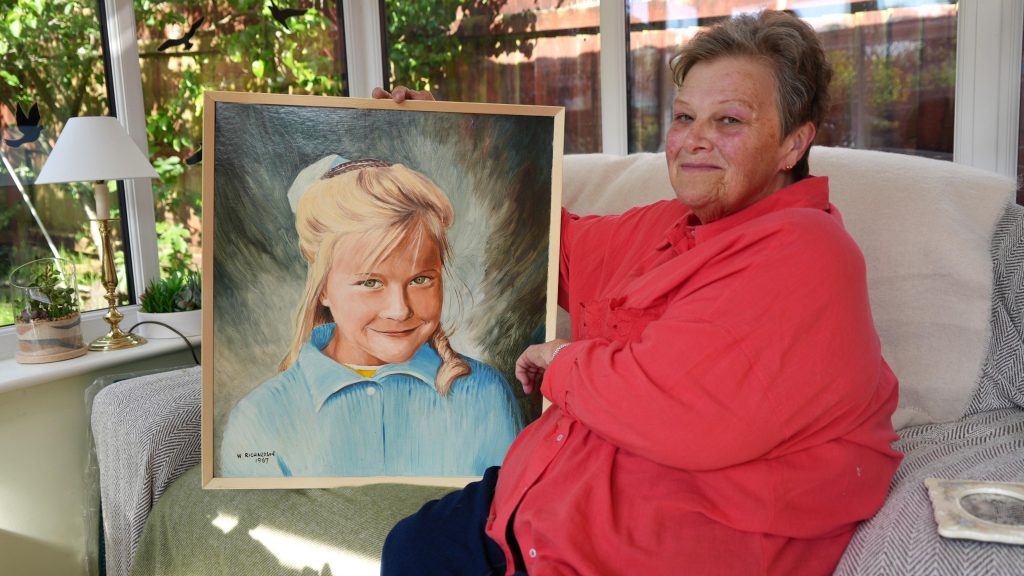
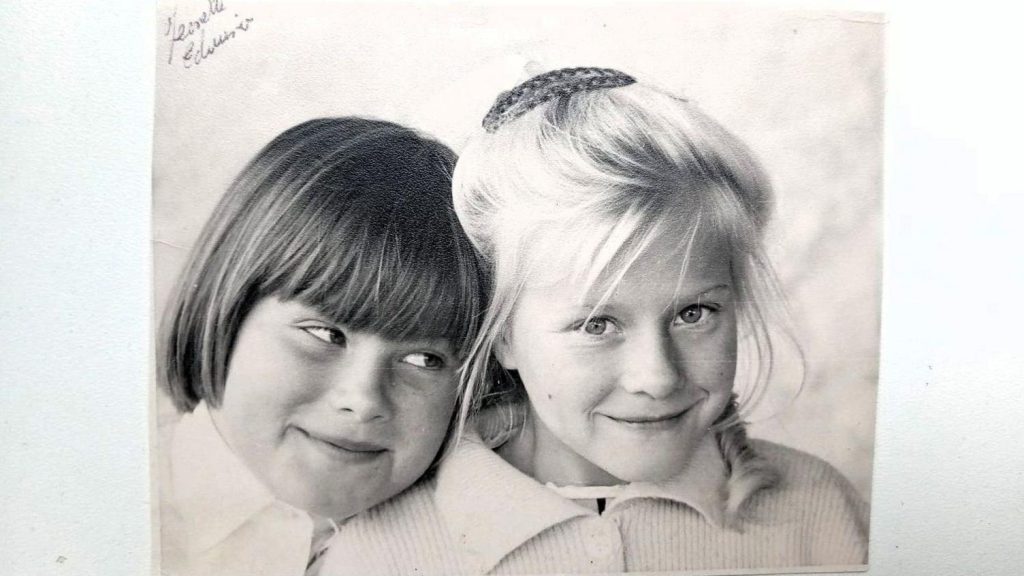
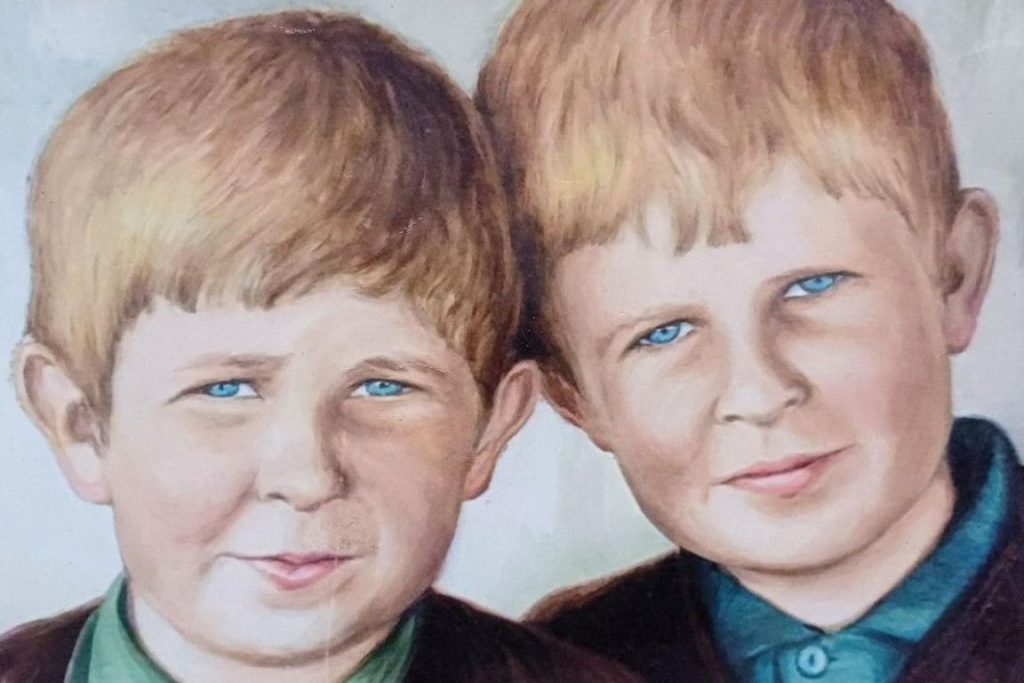
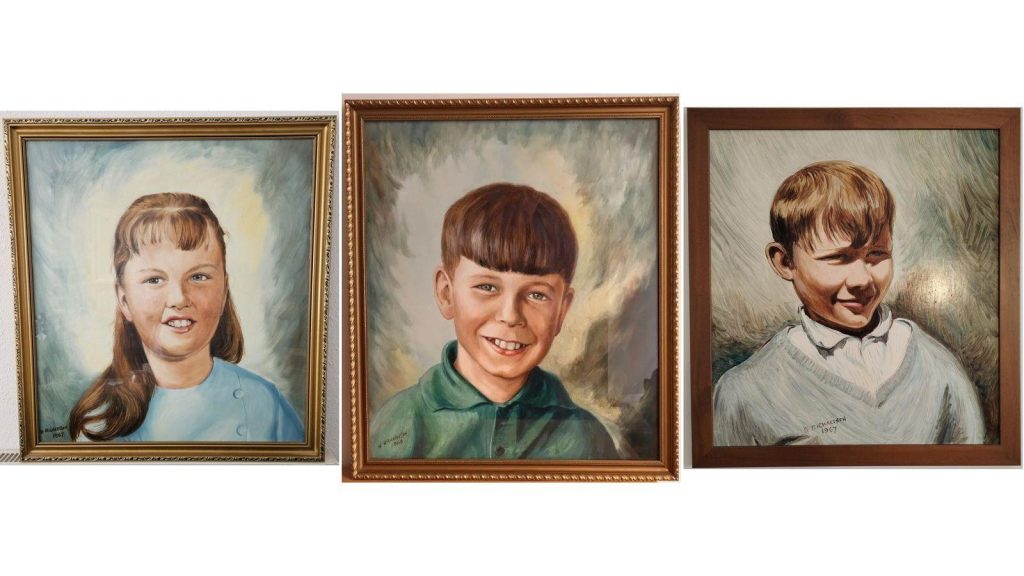
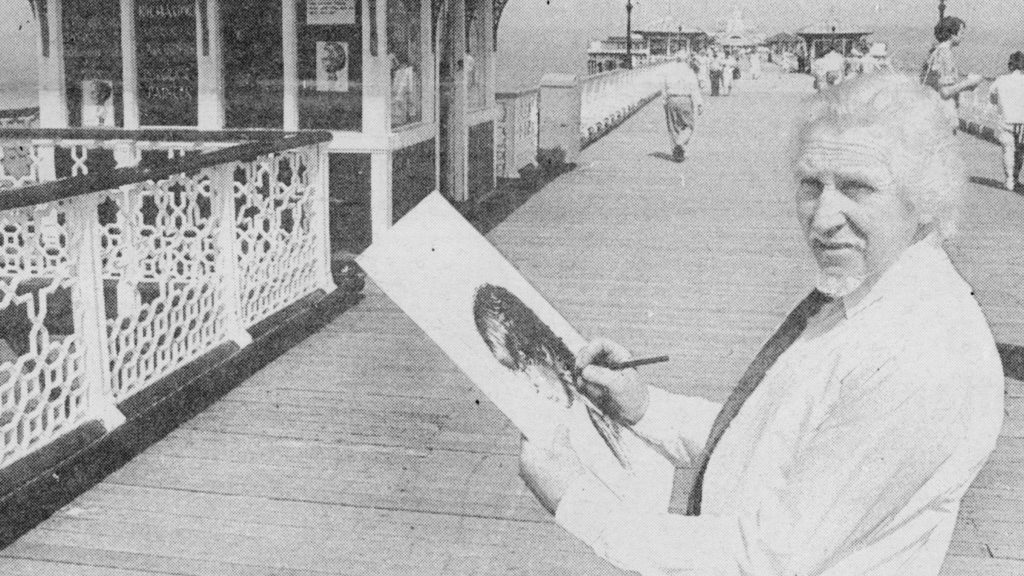
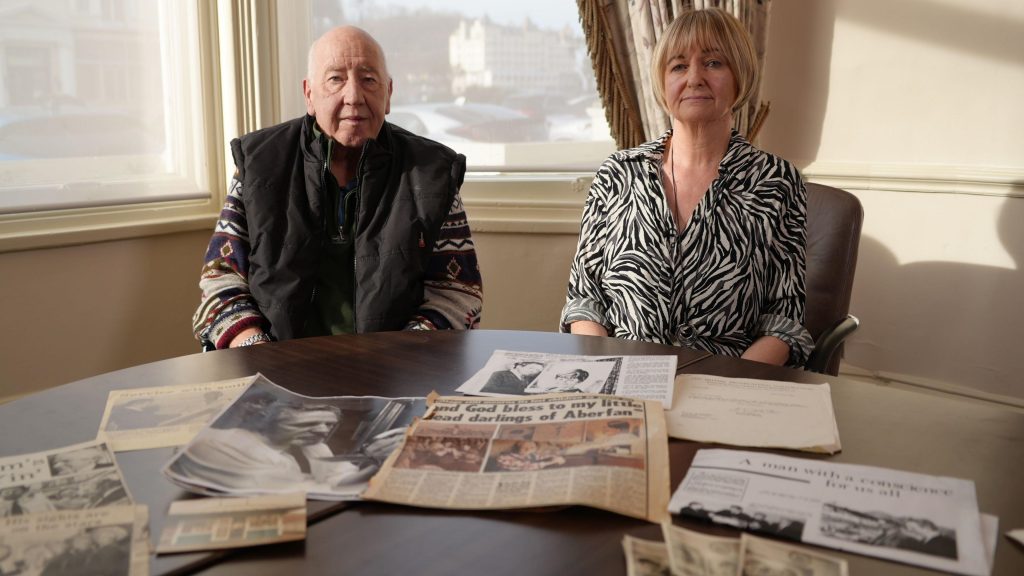
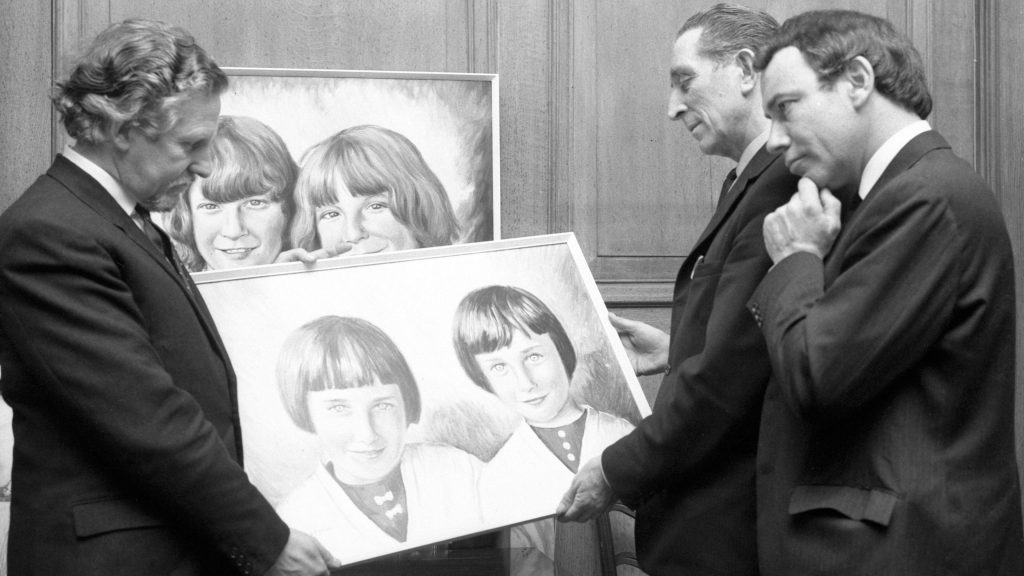
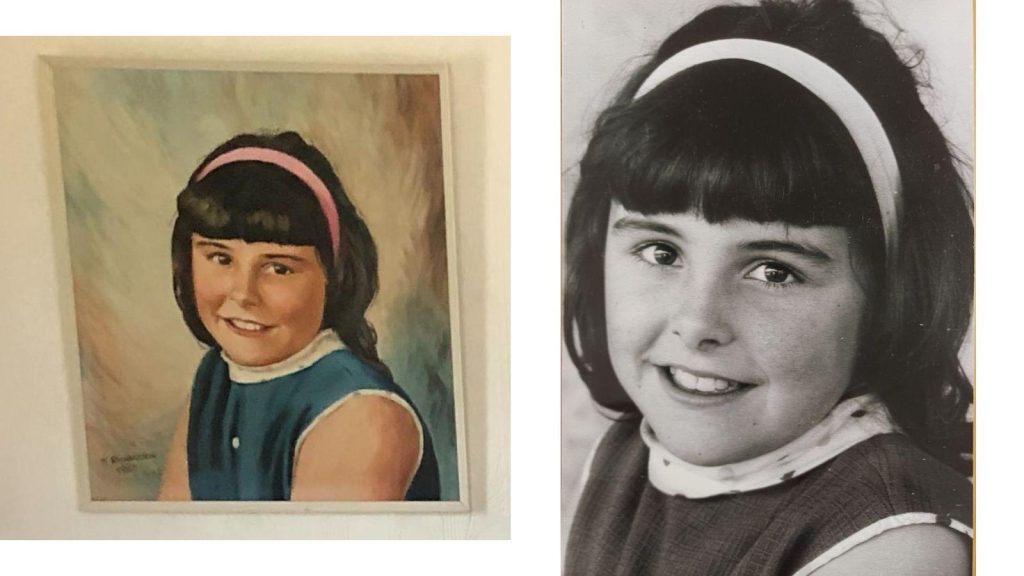
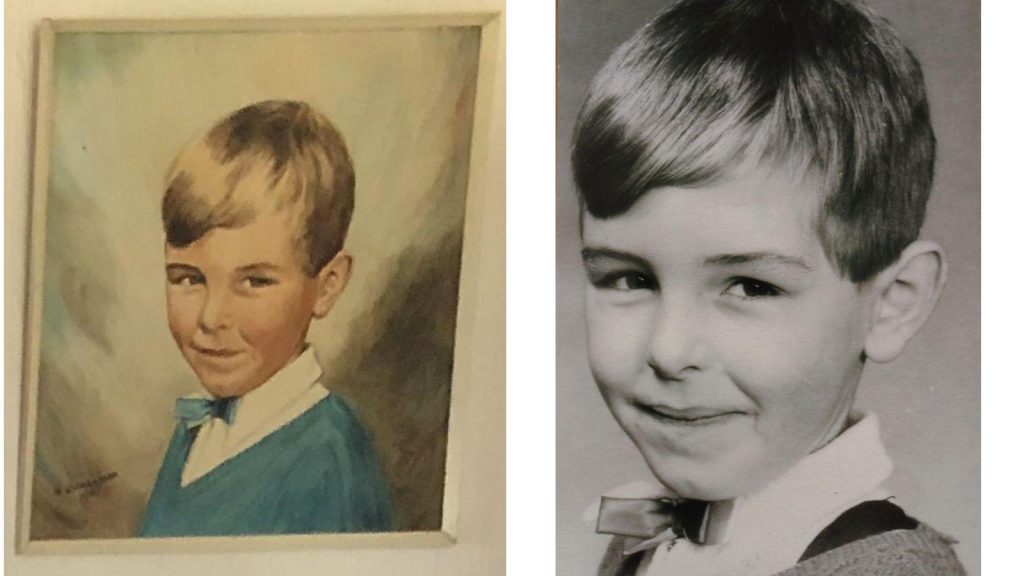
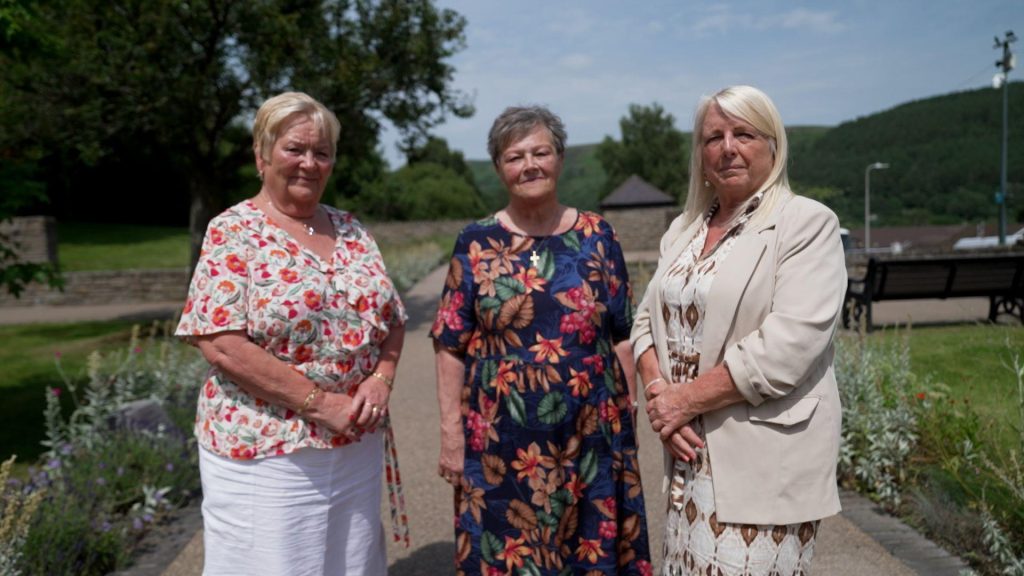
For almost 60 years, many of Aberfan's lost children have watched over living rooms, hallways and family gatherings across the village. Some were painted from faded school photographs. Others were shaped by the memories of grieving parents, who wrote letters to an artist describing the children they had lost: the colour of their eyes, their favourite clothes, the flashes of personality that made them unique. The portraits arrived in the years after one of Wales' darkest days. And for many families, they became far more than paintings. In a new BBC programme, Unseen: The Aberfan Portraits , some have shared their paintings and spoken about how the art helped them grieve. "It brought her back to life," said Denise Morgan, whose younger sister Annette was among those who died in the Aberfan disaster. On 21 October 1966, a coal tip collapsed above the village. The torrent of slurry engulfed Pantglas Junior School and nearby homes, killing 144 people including 116 children. The disaster remains woven into everyday life in Aberfan. It is felt most strongly in the memorial garden on the site of the fallen school, and among the white arched monuments of the cemetery. But it is also felt in the empty places left behind at family tables, in childhood bedrooms which were suddenly occupied by one child instead of two, and in the portraits that came to represent those who never grew up. Jeanette Keane has fond memories of her sister Edwina. "It was just such an idyllic childhood really," she said. "She was very quiet and gentle. She had a mischievous streak as well." The morning of the disaster remains painfully vivid, as Jeanette recalled how Edwina quickly returned home before the school day had begun. "She came running back and she said, 'Mammy, I forgot to give you a kiss'," Jeanette said. "And so my mother gave her a kiss. "My mother always said that, at that time, she wanted to keep her home. "And my mother rued that day for the rest of her life. She just wished she'd listened to herself." Jeanette's father found eight-year-old Edwina trapped beneath the wreckage. "She was alive," Jeanette said, but it was a heartbreaking situation. "He couldn't get her out because the roof would have fallen in. "The men all said, 'Teddy, you can't and my father laid by the side of her, held her hand and she suffocated." The trauma echoed through the years that followed the disaster. "It explains to me why we used to hear him walking back and fore in the corridor at night, banging his head on the wall," Jeanette said. "It wasn't a very happy life afterwards. Everything changed." Denise Morgan was attending a different school when word began to spread that something terrible had happened in Aberfan, where her little sister Annette was in class. "They didn't really give us any details," she said. Racing off the train, the devastation was clear. "When we looked across to Aberfan, we could just see this black mass." As rescue efforts began, families across the village waited for news. Some of the memories remain too painful to revisit. For the surviving siblings, that sense of loss seemed to arrive in the most ordinary moments. "We always slept together," said Jeanette. "And suddenly I was alone." Denise remembered the same absence. "We shared a bed... and then she was gone." The scale of grief was impossible to escape. "In our street, five children were lost in 25 houses," Denise said. "Four children died in my street," Jeanette recalled. In an era when grief was rarely discussed openly, many survivors were left to process the tragedy alone. Hundreds of miles away in Llandudno, Conwy county, one man was following events in Aberfan on television and in the newspapers. Artist William Richardson had no connection to Aberfan, with his skills being used most often on the pier where he sketched caricatures of visitors and celebrities performing in town. But he was deeply affected by what he saw. According to his children, Jean and Ken, he felt compelled to do something for the bereaved families who had lost their sons and daughters. "He saw it on the news and he was so moved by it, he decided to paint them," Jean said. "He just wanted to give something back, to show he cared," added Ken. Richardson never sought payment or recognition. Instead, he began creating portraits of children killed in the disaster, working from school photographs and detailed descriptions supplied by parents. "The parents would write to him and tell him about the children," Jean said. "What colour their eyes were, their hair, what they wore." "They even sent bits of fabric so he could get it right," Ken added. Jean said her father wanted to capture more than their appearance. "He'd ask about their personalities, so he could build that into the painting." Over the years, Richardson is believed to have produced about 100 portraits. As the collection grew, so too did his connection with families in Aberfan. For his children, the portraits became a constant presence. "We were surrounded by them for years," said Jean. "All these faces. "It's like looking back at old friends now." "We couldn't believe the likeness," Denise said. "That was her. "It brought her back to life." Jeanette remembered the effect on her parents when Edwina's portrait arrived. "I remember my father crying when the painting came," she said. "If they could have hugged it, they would have." The portraits soon became part of daily life in homes across the village. "She was there at Christmas, at parties, always in the room," Denise said of Annette's painting. "In our street, every house had one." For survivors, such as Gaynor Madgwick, who escaped from Pantglas Junior School when the tip collapsed, the images served another purpose. "They start conversations," she said. "People begin talking about their children again." For families who had struggled to find the words, the portraits offered a way to keep memories alive. "You walked in and their presence was there," Gaynor said. Jeanette agreed: "It was very, very important to us. It felt like she was always with us while it was there." As the generation directly affected by Aberfan grows older, a new question is emerging: what should happen to the portraits? Many remain cherished family possessions. Others have already passed into the care of younger generations, while some have been entrusted to a local museum. Other families have made different choices. Gaynor described the heartbreaking decision her family faced after their mother died. "Taking them down, you're not taking a painting, you're taking them," she said. The portraits were buried alongside their mother. "We buried them with Mam in a white box, like a little coffin. "We placed them facing each other. "It felt like burying them again." For Jeanette, the future of Edwina's portrait is a source of concern. "I worry about what will happen to the painting," she said. "I want people to see them." Denise feels the same pull between preservation and possession. "It's a treasure," she said. "I could never part with it." Nearly six decades after the disaster, the paintings remain extraordinary objects. They were created by a man who had never met the children, but his kindness ensured they were treasured by the families who received and loved them. By painstakingly recreating the faces of children who had been lost, William Richardson gave something precious back to a community living with unimaginable grief. For many families, the portraits did more than capture memories. They brought the children home. Unseen: The Aberfan Portraits is available on BBC iPlayer and will be shown on BBC One Wales at 22:40 BST on Monday 19 October