Amelia Earhart
American aviation pioneer who disappeared in 1937 during an attempt to fly around the world; a Nikumaroro wreckage investigation found a suspected object likely to be trees.
Also known as: Amelia Mary Earhart
Life and aviation career
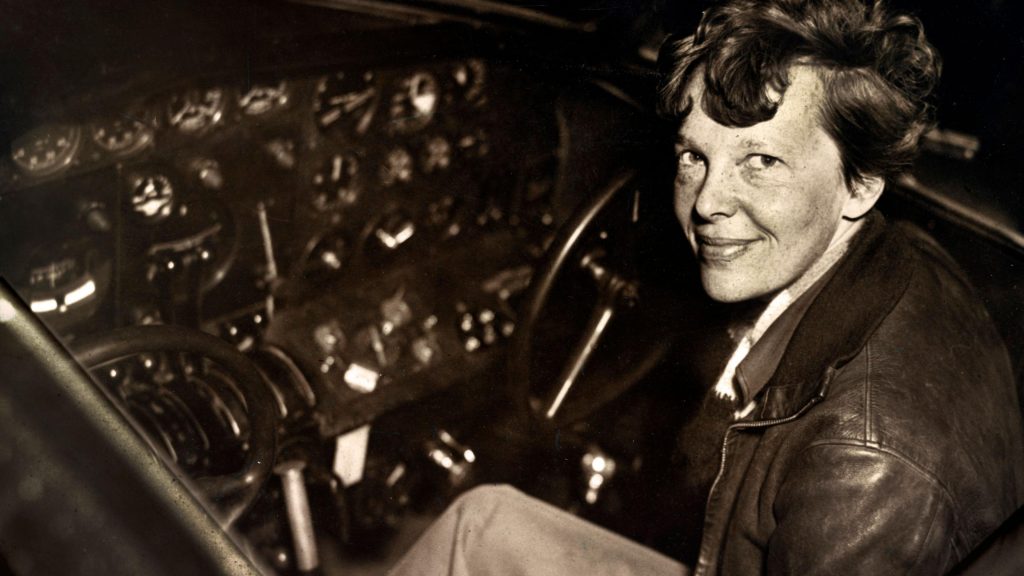
Amelia Mary Earhart (born July 24, 1897; disappeared July 2, 1937; declared dead January 5, 1939) was an American aviator and one of the most celebrated aviation pioneers. In 1928 she was the first female passenger to cross the Atlantic by airplane. In 1932 she became the first woman to make a nonstop solo transatlantic flight and was awarded the Distinguished Flying Cross. She promoted commercial air travel, wrote best-selling books about her flying experiences, and helped found the Ninety-Nines, an organization for female pilots.
1937 disappearance
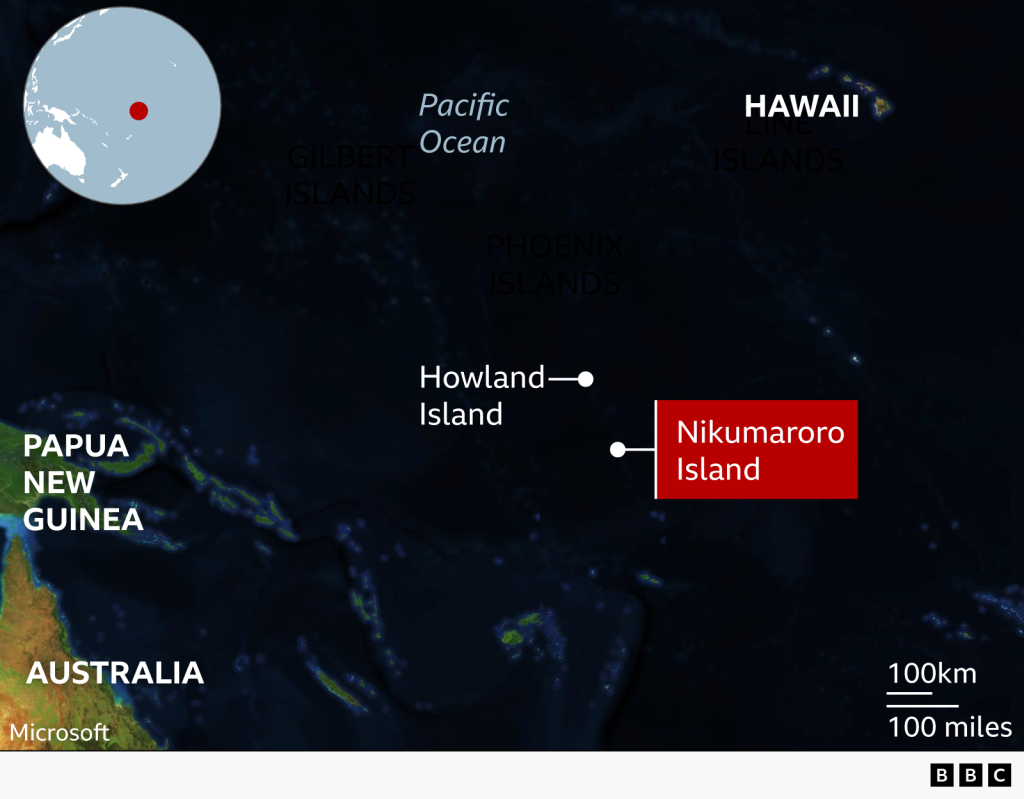
On July 2, 1937, Earhart and her navigator Fred Noonan disappeared over the Pacific Ocean in a twin-engine Lockheed Model 10 Electra while attempting to become the first female pilot to circumnavigate the world. Their plane vanished on the third-to-last leg of the journey after Earhart had flown from California across South America, Africa and Asia to Lae, Papua New Guinea. They planned to travel toward Hawaii before returning to California, but the aircraft disappeared while trying to reach Howland Island, a remote uninhabited coral island about 400 miles (644 km) from Nikumaroro, to refuel. After the largest search and rescue attempt in history up to that time, the U.S. Navy concluded that Earhart and Noonan ditched at sea after the plane ran out of fuel; this crash-and-sink theory is the most widely accepted explanation, although alternative hypotheses have been considered.
Nikumaroro wreckage investigation
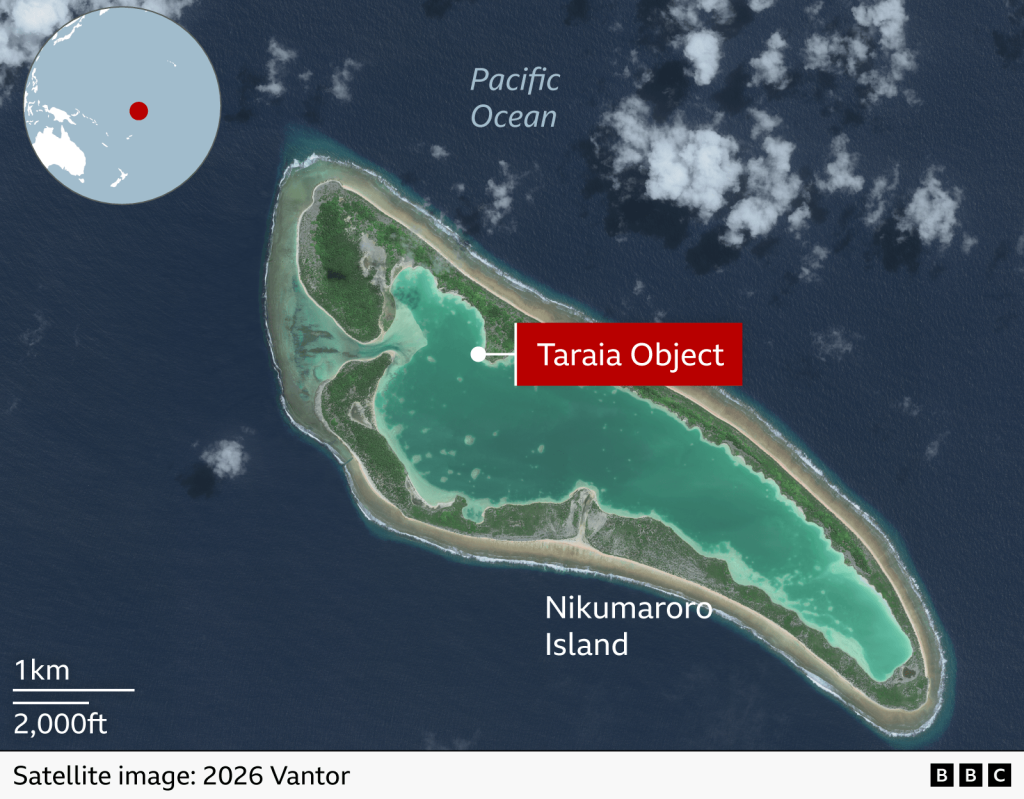
One theory is that Earhart unintentionally navigated to Nikumaroro, where she ditched her plane and died a castaway. Researchers travelled to a lagoon on the Taraia Peninsula of Nikumaroro, Kiribati, to examine a shiny object first spotted on satellite imagery in 2020 and visible in photography dating back to 1938. Purdue University, which had a leading role in the study, said the so-called Taraia Object was likely a collection of large trees deposited along the peninsula's sandspit. By the time the team arrived, much of the debris had fragmented and washed away, leaving only a single Y-shaped segment. The team had spent five days travelling by sea and several days waiting out rough seas and strong winds before spending four days investigating onshore. The investigation did not confirm that the object was aircraft wreckage, leaving the mystery of Earhart's disappearance unresolved.
Related translated reports
Possible wreckage of Amelia Earhart’s plane likely to be trees, say researchers
Researchers travelled to a remote Pacific Island to confirm whether an object first spotted on satellite imagery in 2020 solved the mystery of the pilot's disappearance.
Researchers inspecting an object that some thought could have been the wreckage of Amelia Earhart's plane on a remote Pacific island say it is likely to be washed up trees. The team travelled to a lagoon in the Taraia Peninsula on Nikumaroro, Kiribati, to confirm whether a shiny object first spotted on satellite imagery in 2020 solved the decades-long mystery of the pioneering pilot's disappearance. But Purdue University, which has a leading role in the study, said the so-called Taraia Object "was likely a collection of large trees deposited along the peninsula's sandspit". By the time the team arrived at the site a good portion of the debris had fragmented and washed away, leaving only a single Y-shaped segment, the university said. Images of the Taraia Object - which Purdue University said was visible in photography dating back to 1938 - led researchers to wonder if it was the remnants of a small aircraft sitting in shallow waters. "This mystery has been ongoing for 90 years and the mystery continues," said project director Rick Pettigrew, speaking from near the site of the object. "The island has been holding on to its secrets and it continues to do so. I think eventually someone will find conclusive evidence here," he added. Earhart's plane vanished without a trace in 1937 on the third-to-last leg of her attempt to fly around the world. She had already successfully flown from California across South America, Africa and Asia in her twin-engine Lockheed Electra when she arrived in Lae, Papua New Guinea. Earhart and her navigator Fred Noonan had planned to then travel towards Hawaii before returning to California. But their plane vanished while trying to reach Howland Island, a remote uninhabited coral island about 400 miles (644km) from Nikumaroro, to refuel. One theory is Earhart unintentionally navigated to Nikumaroro, where she ditched her plane and died a castaway. The research team had travelled for five days by sea to reach Nikumaroro and was forced to spend several days on their ship following rough seas and strong winds, delaying their search on the island. They spent four days onshore investigating the site.