Cornell 7 case
A high-profile civil lawsuit and legal investigation concerning allegations of a 2024 gang rape at Cornell University's Chi Phi fraternity.
Also known as: 2024 Cornell University rape allegations
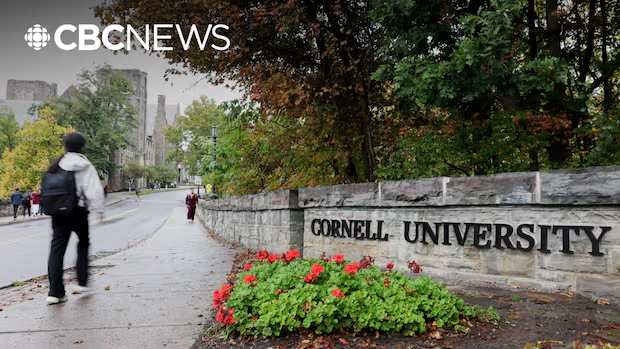
The Cornell 7 case refers to a high-profile civil lawsuit and broad investigation stemming from allegations that a former Cornell University student, designated in court documents as Jane Doe, was drugged and gang-raped by seven members of the Chi Phi fraternity at their house in Ithaca, N.Y., in October 2024 while she was incapacitated. Doe initially reported the incident to the Cornell University Police in November 2024, but Tompkins County district attorney Matthew Van Houten declined to present the case to a grand jury. Subsequent internal Title IX investigations by Cornell concluded in mid-2025, resulting in the expulsion of two students, lesser sanctions for others, and the permanent closure of the Chi Phi chapter from campus.
On September 16, 2026, Doe filed a lawsuit against Cornell University, the Chi Phi fraternity chapter, seven fraternity members, her sorority Delta Delta Delta, and others, alleging the university failed to protect her or adequately punish the perpetrators. The lawsuit sparked widespread protests, campus sit-ins, and international media attention. In response to the growing fallout, New York Governor Kathy Hochul appointed Attorney General Letitia James as a special prosecutor to investigate the case, while Cornell appointed former U.S. Deputy Attorney General Sally Yates to review the institution's handling of sexual misconduct cases and allowed independent state police investigators to handle future campus sexual assault claims.
In October 2026, Cornell University President Michael Kotlikoff announced an emergency directive suspending all fraternity parties and social events for the remainder of the 2026–27 academic year. Despite the university's measures, Kotlikoff has faced continued calls for his resignation from student activists, local non-profits, and university community members.
Related translated reports
Amid fallout from alleged gang rape, Cornell bans all fraternity parties for rest of academic year
Cornell University president Michael Kotlikoff said Tuesday that every fraternity party and social event is suspended for the remainder of the 2026-27 academic year, as a lawsuit alleging seven Chi Phi members raped an incapacitated woman in October 2024 keeps pressure mounting on the school and its leader.
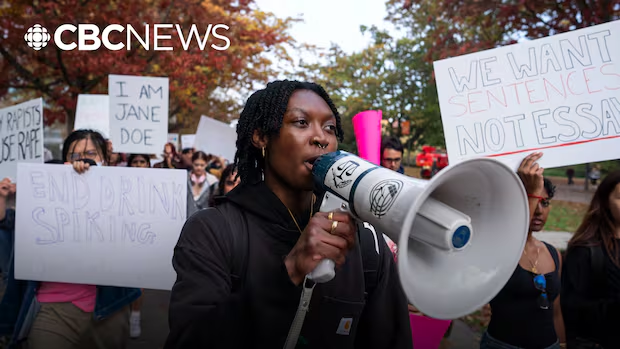
Cornell University is barring all fraternity parties and social events for the remainder of the 2026-27 academic year, a directive president Michael Kotlikoff unveiled Tuesday as the school continues to face an uproar over an alleged gang rape at one of its fraternities. Kotlikoff — who has been confronting demands that he step down over the affair — declared "zero tolerance" for any breach of the new rule. "Any fraternity holding an in-house party or social event will receive an immediate emergency suspension," he stated in a written announcement published to Cornell's website. The prohibition forms part of what he described as a wider set of steps the university is taking "to strengthen campus safety, better support survivors and begin addressing the social context of sexual violence at Cornell." The case behind the ban A woman identified in court records only as Jane Doe sued the university and her alleged assailants last month, a move that drew coverage from media outlets around the world. She alleges that seven members of Cornell's Chi Phi fraternity raped her at the fraternity house in October 2024 while she was incapacitated. The case, which has become known as the high-profile "Cornell 7," has ignited demonstrations — including on the Ithaca, N.Y., campus and a student march at the University of British Columbia in support of the alleged victim — along with broader demands for justice and an end to sexual violence. Kotlikoff has previously called the alleged gang rape "deeply disturbing." Independent investigations Earlier this month, New York Gov. Kathy Hochul tapped the state's attorney general, Letitia James, as a special prosecutor to investigate the matter. Separately, Cornell said last week that it had enlisted Sally Yates, a former U.S. deputy attorney general, to examine how the institution "prevents and responds to sexual harassment, sexual assault and related misconduct on campus." According to the university, that review will also cover its handling of Doe's allegations. New supports for those who report In Tuesday's statement, Kotlikoff said the university will appoint a dedicated case manager to help individuals who come forward with sexual misconduct complaints navigate procedures such as housing and academic accommodations. He further announced that criminal investigators from the New York State Police — a force independent of the university — will be permitted to investigate sexual assault allegations on campus. Typically, crimes reported at Cornell are probed by the campus police department, which holds full law enforcement powers but operates under university control. Pushback and resignation demands The Foundation for Individual Rights and Expression (FIRE), a U.S. free speech advocacy organization, objected to the blanket prohibition. In a social media post, the group argued that banning fraternity events amounts to "punishing an entire community for the alleged actions of a few." "Cornell has every right to investigate misconduct and hold responsible organizations accountable for their members' actions. But punishing students who had no involvement is guilt by association," FIRE wrote. Meanwhile, campus dissent shows no sign of fading. More than 100 people joined a sit-in at Cornell last week in a show of support for Jane Doe, according to the student newspaper The Cornell Daily Sun, and calls for Kotlikoff to resign persist. Writing in a Cornell Daily Sun op-ed on Tuesday, Scott MacLeod and Susan Hack, co-founders of The Sophie Fund, a local mental health non-profit, argued that Kotlikoff has lost "the confidence of many Ithaca citizens, as well as Cornell students, staff, faculty and alumni." "We are demanding that Kotlikoff be replaced by a leader who will unequivocally embrace the need for, and execute, immediate and robust zero-tolerance policies and practices toward terminating the rape culture at Cornell," they wrote. About the author Jillian Kestler-D'Amours is a senior writer at CBC based in Montreal and can be reached at jillian.kestler-d.amours@cbc.ca. This report includes files from The Associated Press.