Freedom of movement in the European Union
A legal and political framework governing the rights of EU citizens to travel, reside, and work across member states as part of the European single market's four freedoms.
Also known as: EU freedom of movement · Freedom of movement for workers in the European Union
Overview
Freedom of movement in the European Union is a core legal and political framework that allows citizens of EU member states to travel, reside, and take up employment in other member states on the same conditions as local nationals, free from discrimination based on nationality. It forms one of the four foundational economic freedoms of the European single market, alongside the free movement of goods, services, and capital.
Context and Political Debate
The framework has been a subject of renewed political debate, particularly regarding the United Kingdom's post-Brexit relationship with the European Union. While proponents argue that accepting free movement and rejoining the single market could boost economic growth, supply chains, and jobs, critics raise concerns regarding national sovereignty, border control, and the socio-economic impacts of immigration.
Related translated reports
Rayner supports Burnham push for renewed debate on EU free movement
Angela Rayner and other senior Labour figures have backed Andy Burnham’s call for a fresh discussion about free movement with the EU, while some Labour MPs in Brexit-supporting constituencies and opposition parties warn against reopening the issue.
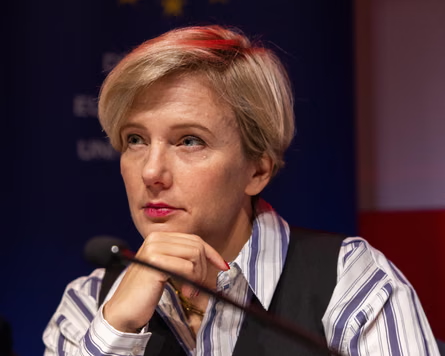
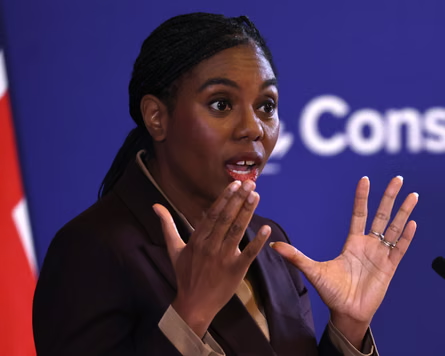
Angela Rayner has backed Andy Burnham’s argument that Britain should be willing to reconsider free movement with Europe as part of efforts to build a closer relationship with the EU, although the idea is likely to unsettle some Labour MPs representing strongly pro-Brexit constituencies. In an interview with the Sunday Times, Burnham called for an “honest discussion” about free movement and indicated that remaining outside such an arrangement should no longer be treated as an absolute condition in negotiations with the EU. Burnham acknowledged that freedom of movement had created significant difficulties in the past, saying he had raised those concerns during his earlier time in parliament. But he argued that migration from the EU had often involved people coming to Britain temporarily and later returning home, and said the overall pattern of migration had since changed. Rayner, the housing secretary, told Sky News that reconsidering the issue amounted to “just pragmatism”. She said the focus should be on securing the best deal for Britain and argued that the prime minister could not rule options out in advance when holding discussions. Stella Creasy, a Labour MP who chairs the Labour Movement for Europe, also supported Burnham’s intervention. She said Britain was overdue for a serious debate about the effect of EU freedom of movement on supply chains and employment opportunities for British citizens. Several senior cabinet ministers favour a substantially closer economic relationship with the EU as a way of supporting growth. That could potentially include rejoining the single market and accepting free movement as part of the arrangement. Ed Miliband, the foreign secretary, is among those reported to support reopening the discussion. Others in the cabinet have taken a more cautious position. Home secretary Shabana Mahmood told a New Statesman event at the Labour party conference that rejoining the EU would not be simple and would involve difficult trade-offs, including the question of whether trade barriers could be reduced without also accepting associated obligations. Some Labour MPs representing heavily pro-Brexit seats in the north of England and the Midlands are wary of reviving arguments over free movement or EU membership. Jonathan Hinder, the MP for Pendle, recently urged the prime minister in parliament to rule out restoring free movement. Richard Walker, the Labour peer and executive chair of Iceland, also raised concerns on Sunday. Speaking to Times Radio, he said reopening the debate would set a “dangerous precedent” and argued that opening the borders would do nothing to address the roughly one million young people who are out of work. The Conservatives and Reform UK quickly attacked Burnham’s proposal. Conservative leader Kemi Badenoch described the idea of reconsidering free movement as “another example of Burnham’s foot-in-mouth syndrome”. In a social media post, Badenoch said Burnham had failed to consider the consequences and argued that many people had voted for Brexit because they opposed free movement. She said previous governments had promised immigration control and failed to deliver it, and that the response should be to learn from those failures rather than restore free movement. Reform UK leader Nigel Farage called Burnham’s position a “total betrayal of Brexit Britain and his Makerfield pitch”. He also rejected Burnham’s suggestion that immigration had been different while Britain was in the EU and said Reform UK would oppose the argument. Polling indicates that UK voters have become increasingly receptive to the possibility of rejoining the EU or entering a single-market arrangement that would include free movement. Under the previous system, British and EU citizens were able to move freely across the bloc, which also operated a common market for goods and services. Free movement was one of the central issues in the Brexit referendum, when the leave campaign argued that leaving the EU would allow Britain to regain control of its borders. In the years after the referendum, however, net migration rose under the points-based immigration system, reaching a peak of about 900,000 in January 2020 compared with 330,000 before the Brexit vote.