Storm Boelo
A severe windstorm that impacted parts of the United Kingdom, bringing damaging winds and heavy rain.
Overview
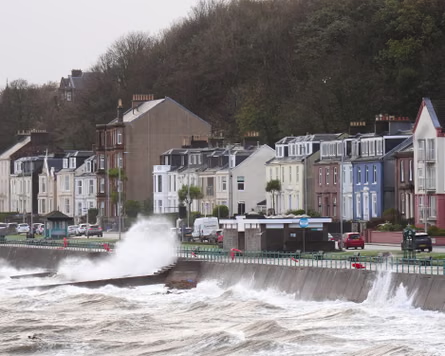
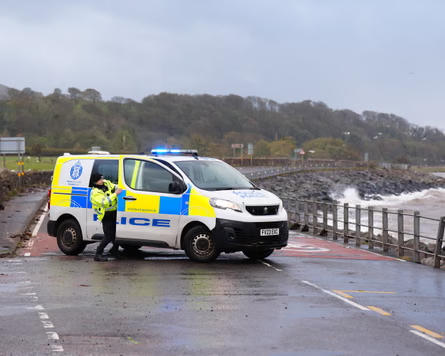
Storm Boelo was a named severe weather event that brought damaging winds, heavy rain, and widespread disruptions to Scotland, Northern Ireland, and northern England. It marked the second named storm in as many days following Storm Austen.
Impact and Weather Conditions
The Met Office issued amber and yellow weather warnings as wind speeds widely reached 60-70mph, with gusts exceeding 80mph in exposed coastal areas. Notable peak gusts included 82mph on the island of Tiree in the Inner Hebrides, 84mph in Argyll and Bute, and 83mph in Snowdonia. The adverse weather led to power outages affecting tens of thousands of properties, major travel disruptions across rail and air networks, and the cancellation of various public events and closures of historical sites.
Related translated reports
Storm Boelo cuts power to more than 82,000 properties as strong winds hit northern UK
Storm Boelo brought widespread disruption to Scotland, Northern Ireland and northern England, with gusts reaching 84mph, tens of thousands of properties still without electricity, rail and flight cancellations, flooding and event closures.
Storm Boelo caused widespread disruption across northern parts of the UK over the weekend, leaving more than 82,000 properties without electricity and bringing damaging winds, flooding and travel problems. The storm struck Scotland, Northern Ireland and the north of England on Saturday evening, becoming the second named storm to affect the UK in two days. Storm Austen had already brought strong winds to south-west England on Friday. According to the Met Office, winds generally reached 60-70mph within an amber warning area that took effect at 9pm on Saturday. Gusts exceeded 80mph at exposed coastal locations, including 82mph on Tiree in the Inner Hebrides. Speeds of 84mph were recorded in Argyll and Bute and 83mph in Snowdonia. The Energy Networks Association said on Sunday morning that engineers had restored supplies to 344,900 customers, while more than 82,000 properties remained without power, including more than 30,000 homes in Scotland. The ENA said crews were concentrating on reconnecting customers but warned that severe weather was restricting opportunities for engineers to begin restoration work safely in some regions, while access to certain locations remained difficult. It said engineers were working around the clock to find and repair faults. Rail services were also badly affected. Network Rail Scotland published an image showing floodwater reaching from the tracks to a platform at a Glasgow station, while fallen trees were reported above railway lines near another location. Speed restrictions were imposed across Scotland and several sections of the network were closed. Elsewhere, flooding blocked the railway between Preston and Blackpool North in Lancashire, while trees fell on tracks near Dumfries in Scotland. Network Rail also shared photographs showing a trampoline beneath a train and a shed beside railway tracks, and urged people living near railway lines to secure objects in their gardens. The Met Office advised residents in affected areas to secure loose outdoor items and remain indoors because flying debris and large waves could pose a danger to life. Chief forecaster Jason Kelly said the strongest winds and greatest risk of disruption from Storm Boelo were expected in northern areas. He said amber warnings covered mainland Scotland, parts of Northern Ireland and the far north of England, where widespread gusts of 60-70mph were forecast and exposed coastal areas could experience winds of about 80mph. Kelly added that other parts of the UK could see gusts of 50-60mph. Heavy rain, particularly in northern areas, was expected to create another hazard, with possible effects on travel and electricity supplies. Several weekend events and attractions were closed or cancelled because of the conditions. Visit Liverpool cancelled its River of Light illuminated-art event on safety grounds, while Sunday's annual Diwali on the Square celebrations in London were called off following advice from independent health and safety experts. Edinburgh Castle closed on Sunday because of high winds and adverse weather. The Fountains Abbey estate in North Yorkshire also shut for the day after its Fountains by Floodlight event on Saturday evening had been cancelled. Air travel was disrupted as well, with hundreds of flights delayed or cancelled at airports across the UK and Ireland, including Dublin, Heathrow, Manchester, Edinburgh and Glasgow. By 7am on Sunday, the Environment Agency had issued 66 flood alerts across England, indicating flooding was possible, along with 10 warnings stating that flooding was expected. Cumbria police said they received several overnight reports of localised flooding and trees blocking roads across the county. Motorists were asked to drive carefully while emergency crews worked to clear the obstructions. The amber wind warning was surrounded by broader yellow warnings covering parts of England farther south, north Wales and all of Northern Ireland. Storm Austen had already left hundreds of homes without electricity in south-west England after hitting the region on Friday. Winds during that storm reached 76mph at St Mary's airport in the Isles of Scilly, 74mph at Aberporth in south Wales and 71mph at Culdrose in Cornwall.