Volodymyr Zelenskyy
President of Ukraine since 2019, leading the country through the ongoing Russo-Ukrainian war.
Also known as: Volodymyr Oleksandrovych Zelenskyy
Volodymyr Oleksandrovych Zelenskyy (born January 25, 1978) is a Ukrainian politician, former entertainer, and the sixth president of Ukraine, serving since May 2019.
Background and Career
Born in Kryvyi Rih into a Russian-speaking Jewish family, Zelenskyy earned a law degree from the Institute of Economics in Kryvyi Rih before pursuing a career in comedy and entertainment. He co-founded the production company Kvartal 95, which produced films and television shows, notably starring in the popular satirical series Servant of the People as a fictional Ukrainian president.
Presidency and War Leadership
Zelenskyy assumed office in 2019 after running on an anti-establishment and anti-corruption platform with the Servant of the People party. His presidency spans the Russo-Ukrainian war, including Russia's full-scale invasion of Ukraine that began in February 2022. He has faced numerous assassination and kidnapping attempts by Russian or pro-Russian agents during the conflict.
Related translated reports
Zelenskyy threatens response as Russian attacks on Ukraine’s energy system continue
Volodymyr Zelenskyy said Ukraine would retaliate if Russia keeps striking its power network, while questioning Donald Trump’s announcement of an immediate energy ceasefire that Kyiv says had not been agreed. The dispute comes as European leaders back Ukraine and Washington pressures Kyiv over attacks on Russian oil infrastructure.
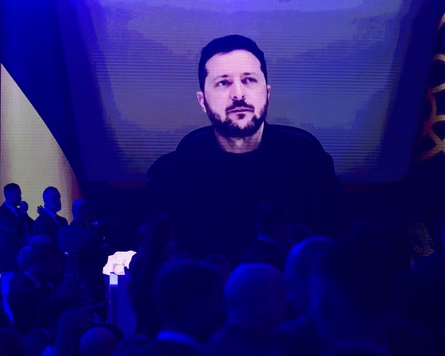
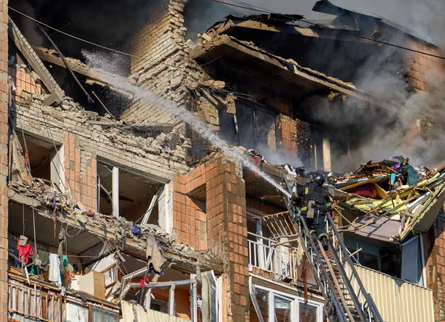
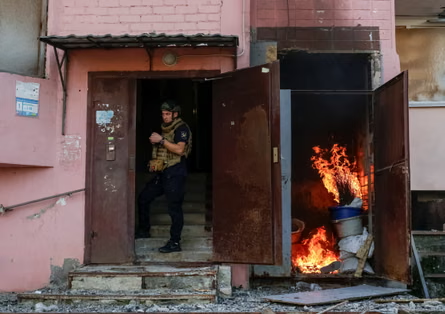
Ukrainian president Volodymyr Zelenskyy said on Monday that Kyiv would answer continued Russian attacks on Ukraine’s electricity system, warning that the absence of an energy ceasefire this winter would bring retaliation. Addressing European security officials in Warsaw, Zelenskyy said: “If Russia does not agree to an energy ceasefire this winter, we will respond.” His remarks came as European governments expressed support for Ukraine during an escalating dispute with Donald Trump over Ukrainian strikes on Russian oil refineries. Trump had announced on Sunday that an “energy ceasefire” between Russia and Ukraine was “effective immediately”. Zelenskyy said, however, that neither Kyiv nor Moscow had agreed to such an arrangement. He said on Monday that he had been “surprised” by Trump’s post, which appeared while Russian Shahed drones were attacking Kyiv. Hours later, Russia carried out what Zelenskyy described as a “targeted attack” on a power station in Kharkiv, while large parts of Kyiv lost electricity. “It’s clear that Putin does not read Truth Social,” Zelenskyy said. According to Zelenskyy, Russian strikes hit six energy facilities on Monday and injured 33 people. He said the attacks increasingly suggested that Moscow did not intend to accept the US-proposed energy ceasefire and planned to continue air attacks on Ukrainian communities. Zelenskyy also said Ukraine’s recent counter-strikes against datacentres operated by the Russian technology company Yandex appeared to have reduced bot activity targeting audiences in Europe and the US. He said social platforms had subsequently seen less hate, division and provocation. The Kremlin declined on Monday to say whether it accepted Trump’s Truth Social declaration of an immediate ceasefire. Moscow also rejected Zelenskyy’s proposal for a 60-day halt to Russian bombing that would allow Ukraine to hold a presidential election, saying an overall peace agreement should come first. For the Kremlin, such a settlement would require Kyiv’s capitulation. The latest tensions between Washington and Kyiv began on Friday, when Trump said sanctions on Russian diesel exports would be lifted. He argued that the decision would help lower fuel prices in the US and internationally ahead of next month’s US midterm elections. Politicians from both the Republican and Democratic parties criticised the decision, saying it conflicted with a US law barring Russian energy imports. Trump defended the move on Monday, writing: “I made the right choice for the American People – ALWAYS, AMERICA FIRST!” Zelenskyy had earlier condemned the sanctions decision as “weak”, arguing that it would provide Putin with “billions” in additional revenue and allow Russia to prosecute the war “even more intensely”. Trump, in turn, said Zelenskyy should “damn well stop” attacking Russian refineries and declared on Saturday that Ukraine needed a “new leader”. Ukraine says it is prepared to negotiate an energy ceasefire to ease pressure on its electricity network before winter. European leaders have supported Kyiv in the dispute with Washington and have blamed Russia for continued attacks on energy infrastructure in both countries. EU foreign policy chief Kaja Kallas told European foreign ministers on Monday: “We welcome the energy ceasefire when it holds.” She added: “We haven’t yet seen that also Russia will stick to it.” Officials from the Baltic states also criticised the US decision to remove sanctions on Russian diesel imports, which had formed part of the measures imposed after Putin launched the full-scale invasion of Ukraine in 2022. Lithuanian foreign minister Keʂtutis Budrys said the move did not address the oil-products crisis and weakened transatlantic unity over Russia. He argued that Europe’s preferred course was to increase pressure on Moscow because that approach had already shown results. Russia has intensified attacks on Ukrainian infrastructure ahead of the colder winter period, deploying jet-powered drones and ballistic missiles. The campaign has produced electricity outages and water shortages much earlier in the season than had become typical during the war. Trump’s proposal called for both Ukraine and Russia to stop attacks on oil refineries, but Kallas said such terms would favour Russia because it possesses far more refineries. Trump has attributed high diesel prices to Ukrainian attacks on Russian energy facilities rather than to the disruption in global energy markets caused by the US war in Iran and the subsequent closure of the strait of Hormuz. The Financial Times reported that Washington had threatened to suspend the procurement system through which European allies pay for weapons supplied to Ukraine. The White House has also said it could end intelligence sharing if Kyiv does not halt long-range attacks on Russian oil refineries. The Kyiv Independent reported that Ukraine’s commander in chief, Mykhailo Drapatyi, received a US call instructing him to stop the bombing campaign. An unnamed Ukrainian official told the newspaper: “They called all the top military officials with threats.” Ben Hodges, the former commander of US forces in Europe, dismissed the supposed energy ceasefire as a fantasy and described it as “a classic ‘Trumpian’ announcement of something not based on any facts.” Hodges said that “no one should be misled” and argued that Russia “never adheres to any agreements unless forced to do so”. He urged Ukraine’s armed forces to disregard Trump’s demand and intensify strikes on Russian oil and gas facilities, saying the political pressure itself indicated that the attacks were having a substantial effect.